
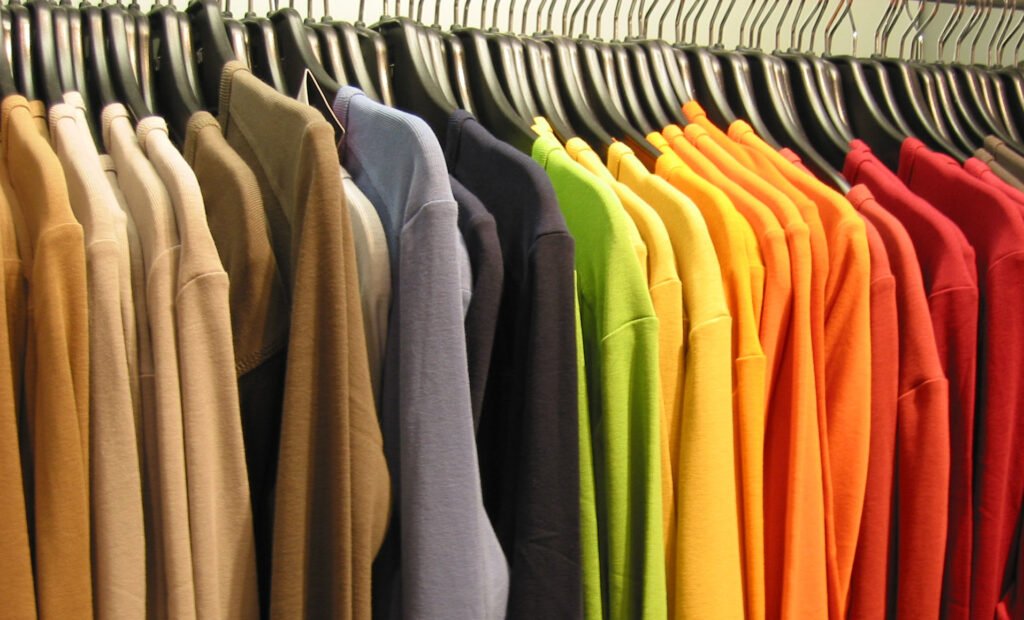
Planning to launch your own clothing label and searching for private label T-shirt manufacturing in India? A successful first collection needs more than a logo on a plain tee. You’ll need to choose the garment fit, fabric and weight, sizes and colours, printing or embroidery, brand labels, packaging and a repeatable product specification. This guide explains how to prepare those requirements and request a realistic bulk-order quote from Namakool.
Namakool accepts bulk clothing and customization enquiries. Its wholesale website currently lists round-neck T-shirts, polo T-shirts and several garment branding items, including neck labels and hangtags. The exact manufacturing, private-label, minimum-order and finishing options for your design must be confirmed by the team for each order. To enquire, WhatsApp or call +91 72900 08585.
NAMAKOOL • PRIVATE LABEL BULK ENQUIRIES
START YOUR OWN T-SHIRT BRAND
Send your collection brief, estimated quantity and custom-label ideas. Ask us to confirm available private-label garment and branding options.
What Is Private Label T-Shirt Manufacturing?
Private label T-shirt manufacturing is an arrangement in which apparel is sourced and presented for sale under a buyer’s own brand, subject to an agreed product and branding specification. A private-label project can involve an existing garment with approved branding or a more specific construction and fit if the supplier supports it. The buyer’s brand is the identity customers see on the finished product.
This is different from simply purchasing a few unbranded shirts for personal use. A clothing business needs consistent measurements, repeatable colour choices, reliable decoration, correct labeling and a clear understanding of any sampling and minimum-order requirements. These are especially important when selling through a website, marketplace or physical shop.
Private label vs white label vs fully custom apparel
White label often describes a more standard product that different sellers may offer under their own branding. Private label generally emphasises branding for the buyer’s business, sometimes with customised product details. Fully custom manufacturing typically requires more specific decisions about pattern, fabric and construction. These terms can overlap in everyday supplier discussions, so ask exactly which elements can be changed rather than assuming a label guarantees a particular service.
For example, adding an inside neck label to an existing round-neck T-shirt is not the same request as developing an original oversized pattern with a new neckline. They may require different minimums, samples, lead times or equipment. Clarify what is available with the supplier before advertising your product to customers.
Who Can Benefit from a Private Label T-Shirt Supplier in India?
Private labeling can suit businesses looking for a recognisable clothing identity. The right purchasing approach depends on the customer and sales channel:
- D2C fashion startups: launch a focused collection with a coherent fit, artwork and brand presentation.
- Streetwear labels: explore distinctive shapes, graphics and labels while confirming fit and production feasibility.
- Online sellers: create a clear product range with useful size charts and consistent product photography.
- College-merchandise brands: produce group apparel that can be associated with a club, event or community.
- Corporate merchandise sellers: supply branded T-shirts for gifting, events or business campaigns.
- Retail boutiques and resellers: build a small selection that reflects their audience’s size and colour preferences.
A first-time brand may be better served by choosing one strong design and learning from real customer feedback than by launching many colours and sizes without sufficient demand evidence. Start with a clear use case, budget range and product specification, then discuss the available order options.
Step 1: Choose the T-Shirt Style for Your Clothing Brand
Start with the garment silhouette. A regular round-neck tee, relaxed-fit T-shirt, polo collar and long-sleeve T-shirt all create different customer expectations. The label and print design should follow the garment, not replace the need for a good fit.
The Namakool bulk website publishes men’s round-neck T-shirts, women’s round-neck T-shirts and men’s polo/collar T-shirts. Review those product listings as a starting point when preparing your private-label enquiry. You can discuss other cuts or construction requirements separately, but their availability is not assumed.
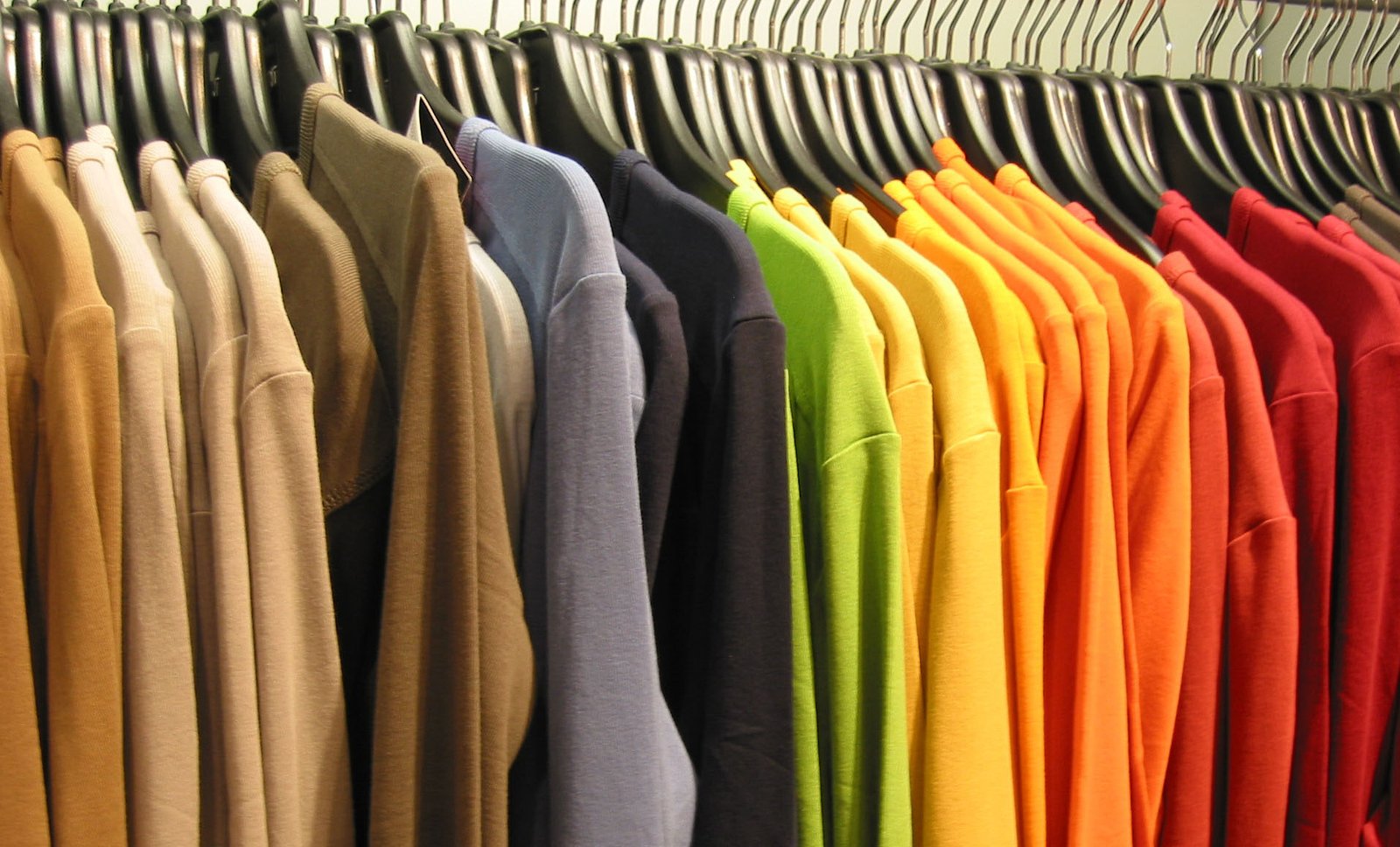
Regular fit, relaxed fit and oversized T-shirts
A regular-fit tee is usually closer to conventional body proportions, while relaxed or oversized fits are designed with more ease and sometimes dropped shoulders or wider sleeves. The label “oversized” does not tell a manufacturer the actual dimensions you want. Give measurements for chest width, body length, shoulder width, sleeve and neck opening, and provide a fit sample where possible.
For further guidance on measurements and GSM, read our custom oversized T-shirts in bulk article. The existing Namakool catalogue does not have a standalone oversized product listing at present, so ask about that specific fit before planning a launch around it.
How many styles should a new label begin with?
Rather than ordering an entire fashion catalogue immediately, select a focused range. One round-neck shape with a limited set of artwork designs and colours may be easier to size, photograph, merchandise and reorder. If your customers respond well, you can prepare a more detailed brief for new fit types later. Your launch scope should match available capital and how much stock you can realistically sell.
Step 2: Decide on Fabric, GSM and Garment Finish
Fabric selection influences comfort, drape, weight, durability and the results of decoration. The correct specification depends on your customers and how they intend to wear the clothing. When asking about cotton, blends or another fabric, request the actual fibre composition and construction instead of relying on a generic quality label.
GSM means grams per square metre and indicates fabric mass per area. Numbers such as 160, 180, 220 and 240 GSM are sometimes used as comparison points when discussing T-shirt fabric. They are not guaranteed specifications available from Namakool, and a higher GSM does not automatically mean greater quality. A softer fabric, better fit or different knit may matter more to your customer than simply selecting the heaviest option.
What matters beyond the GSM number?
- Fibre composition: ask what materials are actually used and how they feel.
- Fabric knit and drape: the same weight can perform differently depending on construction.
- Neckline and rib: collar appearance changes the finish of the garment.
- Colour consistency: verify the available dye shades for the requested product.
- Care instructions: ensure washing and ironing guidance is suitable for the actual fabric and decoration.
- Fit and measurement consistency: agreed tolerances and samples help define expectations.
For a small new fashion label, a reference garment can make a complicated fabric discussion much easier. Tell the supplier which aspects you like: softness, structure, stretch, collar, garment length or opacity. Ask what the supplier can realistically offer in the relevant garment category.

Step 3: Create a Size Chart Customers Can Understand
Size confusion is one of the easiest ways for a clothing brand to create an unhappy shopping experience. A customer buying medium from one brand may need a different labelled size in another fit, so a usable product page should give actual measurements and explain how to check them.
For a private-label collection, prepare measurements across the size range before placing volume orders. Chest, body length and shoulder measurements are a good starting point for a basic tee, while oversized or special fits may require further detail. Specify whether measurements refer to the garment laid flat or to body size, and use one consistent system.
How to plan a mixed-size bulk order
Collect the total units by garment style, colour and size in a table. For example, black and white variations can be tracked separately for S, M, L and XL. Do not use an equal size split automatically; if you have past sales or genuine customer survey data, use that information to estimate demand. If there is no data, begin with a limited, manageable range and review results before a repeat purchase.
Ask what measurement tolerances are acceptable and whether the garments for your order can match the approved sample and size chart. A supplier quotation should be based on a clearly identified style, not just the phrase “standard size.”
Step 4: Choose Printing, Embroidery and Design Placement
Custom artwork defines a collection’s visual identity, but its execution must be considered alongside the fabric. Namakool can discuss printing and embroidery enquiries—including DTF, DTG and stitched logos—where they suit the requested garment. Not every process is compatible with every fabric and design, so request advice based on the actual logo or graphic.
DTF printing for graphic T-shirts
Direct-to-film (DTF) uses a transfer process and may be considered for a range of suitable graphics and garments. The surface feel and performance depend on the chosen materials and application. Share your design dimensions and print placements, including whether the artwork appears only on the front or on several garment areas.
DTG printing and garment compatibility
Direct-to-garment (DTG) applies ink to a compatible garment. Fibre composition, preprocessing and the actual print design influence suitability and outcome. Discuss the garment and desired effect before promising a particular printing process to buyers.
Embroidery for a brand mark
Embroidery creates a stitched finish for appropriate fabric and artwork. It can be considered for a small chest emblem or another logo position, but very fine lettering and highly detailed illustrations may need adjustment. Stitch coverage and location can affect the cost and how the cloth sits.
Send a high-resolution file or vector artwork wherever possible and include the approximate print width and height. If your collection contains several designs, label each file and tie it to the right garment colour and size set.

Step 5: Add Inside Neck Labels and Other Brand Details
Private labeling often becomes most visible through the details a customer sees when opening the package or putting the product on. A thoughtfully designed neck label, hangtag or sleeve mark can support your brand, but each has to suit the garment and the final approved specifications.
Namakool’s published wholesale catalogue includes inside neck labels, outside neck labels, outside sleeve labels, hangtag labels and thank-you inserts. They provide relevant options for a branding enquiry, but you should confirm whether the requested attachment, print, trim or insert can accompany a particular garment order.
Planning a neck label
Think about the name and logo, size markings and applicable fabric or care information. The material, position and readability should be reviewed on the garment. A confusing size label can create unnecessary returns even when the shirt itself fits well.
Hangtags and presentation
A hangtag can communicate a brand story, product identity or care message. For an online-only clothing business, it may also create a more coherent first impression when the parcel arrives. Check the chosen tag size, quantity, print quality and attachment process as part of the quote.

Check labeling requirements before selling
Clothing sellers should verify the product-label and consumer-information requirements that apply to their sales destination, packaging and distribution channel. For India, requirements may differ depending on how goods are sold and packaged. Do not copy another brand’s care information or material claims without checking the actual product and relevant rules. A manufacturer can discuss the garment, but the brand owner should also review its own compliance responsibilities.
Step 6: Prepare Product Packaging and Unboxing Details
Packaging is not always part of the basic garment quotation. If your brand requires folded garments, individual pouches, stickers, inserts or another presentation format, include those items in the initial request. Do not assume that a private-label quotation automatically covers a particular packaging style.
Consider how the garment will be stored, shipped and presented to the end customer. For online sales, packaging should protect the product and leave room for any required product information. It is often easier to test a simple presentation with a first collection than to spend heavily on packaging before you know what customers value.
Step 7: Understand Minimum Order Quantity (MOQ)
MOQ stands for minimum order quantity. In garment manufacturing and customization, the relevant minimum may depend on garment availability, fabric, colours, decoration method and the number of variations. Ordering plain stocked shirts is not necessarily the same as requesting custom cut-and-sew T-shirts with unique fabric and private branding.
There is no universal MOQ guaranteed by this guide. Tell Namakool how many shirts you plan to order and provide the details for each style. If you’re comparing a small first run against a larger reorder, ask the team to quote what is feasible for each scenario rather than assuming all quantity bands can use the same method.
Should a startup always order the lowest possible quantity?
Not necessarily. A smaller initial order can limit unsold inventory, but it may come with different per-piece economics and limited customization options. A larger run could allow different possibilities while increasing the amount of money tied up in stock. Compare your projected sales, available capital, cost of acquiring customers and reorder plans—not just the piece rate.
Step 8: Plan Samples and Pre-Production Approval
When creating a new clothing brand, a physical sample or documented proof can be valuable because photos cannot fully communicate fabric feel, garment length, neckline quality or actual print finish. Ask whether a sample can be arranged for your specific requirement and what costs or timing apply. Availability should be confirmed before including a sampling stage in your launch schedule.
For review, check the garment measurements, seams, collar, colour, artwork placement and any branding trims against the agreed brief. Take notes and confirm approved changes in writing. A clear approval record protects both the buyer and supplier from misunderstandings about which version should be used.
Step 9: How to Compare Private Label T-Shirt Manufacturing Costs
A per-piece price means little unless it covers the same product. The quote for an existing round-neck T-shirt with one small print cannot be compared directly with a custom-fit garment requiring new construction and multiple labels. The more clearly you specify your requirement, the easier it is to compare offers fairly.
- Base garment: cut, fabric, GSM, collar and other construction details.
- Quantity: units by size, style and colour.
- Decoration: printing or embroidery process, number of placements and artwork complexity.
- Brand trims: neck labels, sleeve labels and hangtags if included.
- Sampling: physical garment samples, proofing or design setup where applicable.
- Packaging: folding, inserts and other requested finishing.
- Taxes and freight: applicable charges and the destination address.
- Timelines and terms: approval stages, payment terms and planned dispatch conditions.
Ask what the quotation includes and excludes, whether the unit cost changes with quantities and whether additional charges apply for different artwork or colours. Keep a written record of the supplier’s response before taking payments from customers for products that have not been confirmed.
Step 10: Build a Small Launch Collection and Reorder Plan
A collection becomes easier to manage when it has a coherent customer, visual theme and size plan. Decide what problem the clothing solves or why the design will appeal to buyers. If you’re creating streetwear, perhaps fit and graphics matter most; for minimalist basics, consistency and fabric feel may carry greater weight.
Give each product an internal name or code, record the approved measurements and photos, and track which sizes or colours sell. Those records help the next order use the intended garment specification. They also make customer support easier when someone asks for a previous item or fit.
A reorder may still require fresh confirmation of fabric, stock or production availability, but retaining the original files and approval notes reduces the chance of accidentally changing a successful design. It can also improve the accuracy of new quotations.
What to Send Namakool When Requesting Private Label T-Shirt Manufacturing
To move from research to an actual supplier discussion, prepare a short product specification rather than sending only “I want 500 shirts with my brand.” Share whatever details are already decided and list the areas where you need guidance.
- Brand purpose: D2C label, streetwear, retail resale, corporate merch or something else.
- Garment type: round neck, polo, long sleeve or a requested custom fit.
- Measurements: target size chart, reference garment or technical sketch.
- Fabric: fibre preference, GSM target and desired hand feel.
- Quantity: total pieces with size-by-colour breakdown.
- Artwork: design files, decoration type and locations.
- Branding: neck labels, sleeve labels, hangtags and inserts.
- Approval: whether sample or proof requests are important.
- Logistics: delivery city and desired date.
- Pricing: ask for the MOQ, what is included and the payment terms.
COPY THIS PRIVATE LABEL ENQUIRY
“Hello Namakool, I’m starting [brand name] and need [quantity] private-label T-shirts. Garment/fit: [style]; fabric/GSM: [details]; colours and sizes: [list]; artwork: [printing/embroidery]; neck labels and hangtags: [details]; delivery: [city]. Please confirm the available options, MOQ, samples, pricing and production terms.”
Common Mistakes First-Time Clothing Brands Can Avoid
Choosing a manufacturer only by the lowest advertised price
The specification matters more than a headline number. Confirm whether quotes include the same fabric, garment, branding and delivery components.
Skipping the fit and measurement brief
A brand can end up with a garment that looks different from the design concept if the supplier receives only a reference photo and no dimensions. Clarify the desired result before placing the order.
Mixing too many colour and size variants
Each combination creates planning work and inventory risk. Start with the range you can manage and ask whether the needed quantities are feasible.
Forgetting labels until the final stage
Brand labels, hangtags or packaging can change the quotation and approval process. State those requirements from the beginning.
Making delivery commitments without confirmation
Manufacturing, proofing and shipping depend on the garment and order. Check the agreed timeline before offering an exact customer delivery date.
Frequently Asked Questions: Private Label T-Shirt Manufacturing in India
What is private label T-shirt manufacturing?
It means sourcing T-shirts for sale or use under your own brand, with agreed branding and garment specifications. The level of customization depends on the supplier and order.
Can I start a clothing brand with private label T-shirts?
Yes, private labeling is one sourcing route for a clothing brand. Start with a defined customer, garment, size chart, design and quotation, and confirm which products and branding methods are available before selling.
Does Namakool offer T-shirts with my neck label?
Namakool lists inside and outside neck-label items in its wholesale catalogue. Contact the team to check which label options can be included with your selected bulk T-shirt garment.
Can I request hangtags with my own branding?
You can enquire about hangtag labels and other finishing. Namakool publishes a hangtag product listing, but order compatibility, artwork, cost and minimums require confirmation.
What is the minimum order quantity for private label T-shirts?
There is no one minimum for every garment and printing or branding setup. State your style, quantity and customization needs to receive an order-specific MOQ.
Can I choose 180, 220 or 240 GSM fabric?
You may enquire about a preferred GSM. Those numbers are buyer specification examples, not a promise of current fabric availability. The team must confirm what is available for your chosen product.
Can a clothing startup request oversized-fit T-shirts?
Yes, you can request a quote for an oversized fit and provide target measurements. The current wholesale catalogue does not have a standalone oversized product listing, so custom-fit availability must be confirmed.
Which is better for a private-label T-shirt: DTF, DTG or embroidery?
Each method has different strengths and limitations. The best approach depends on the design, fabric, placement and quantity. Send your actual logo or graphic for a practical discussion.
Can I combine men’s and women’s T-shirts in one private label enquiry?
You can enquire about both categories. List the specific products, size quantities, designs and colours separately so the quote reflects the different garments.
Can I request a sample before a bulk order?
Ask whether a relevant sample, proof or other approval arrangement is available for the garment and decoration. Associated costs and timing must be confirmed individually.
How much does private label T-shirt manufacturing cost in India?
Costs depend on garment specifications, quantity, decoration, labels, packaging and destination. A detailed supplier quotation is needed; this guide does not invent a universal price.
Does Namakool have a factory in every major Indian city?
This guide does not claim a physical Namakool facility in every location. Contact the team to discuss manufacturing arrangements and shipping availability for the specific order.
How do I place a private label enquiry with Namakool?
Call or WhatsApp +91 72900 08585 with your chosen product, quantity, measurements, artwork, branding requirements and delivery location. You can also explore the bulk catalogue or use the contact page.
Explore Namakool’s Related Bulk-Order Guides
If you are choosing garments for your first collection, compare the oversized T-shirt sourcing guide, custom corporate polo T-shirt guide, bulk custom hoodie guide and sweatshirt manufacturing enquiry guide. For a general overview of products and customisation, see the Namakool bulk apparel manufacturing article.
Request a Private Label T-Shirt Manufacturing Quote
Private-label success begins with an achievable specification, consistent branding and realistic buying terms. Decide what your customers need, bring your reference measurements and artwork, and ask Namakool which garments, print methods, labels and quantities can be supplied for your project.
NAMAKOOL • PRIVATE LABEL BULK ENQUIRIES
YOUR BRAND. YOUR DESIGN. YOUR ENQUIRY.
Discuss private-label T-shirts, custom decoration, neck labels and hangtags with Namakool’s bulk-order team.
Images in this guide are catalogue or branding examples. They do not guarantee any fabric, print method, private-label arrangement, MOQ, price, certificate or delivery date. Confirm available options and terms for your particular order.