
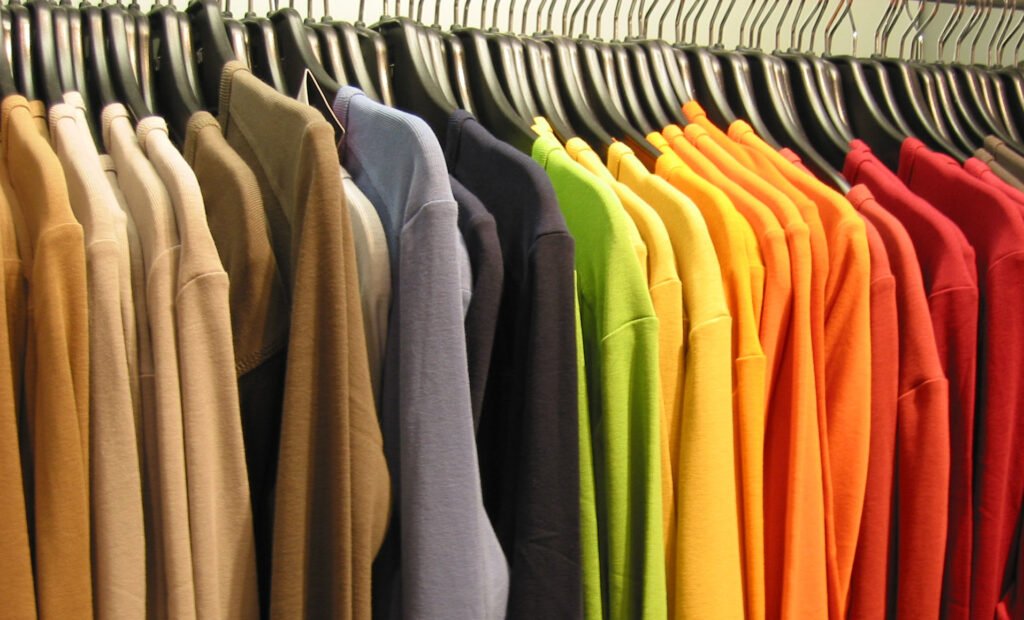
Planning to order corporate T-shirts in bulk for employees, field teams, a conference, an exhibition or a company celebration? A successful corporate apparel order starts with practical questions: Who will wear the shirts? What work will they do? Which styles and sizes are needed? How should the company logo look? How many variations can your team manage? This guide helps HR departments, office administrators, marketing teams and event coordinators prepare accurate bulk T-shirt requirements.
Namakool accepts bulk clothing enquiries covering T-shirts, polos, hoodies and sweatshirts, with customization discussions for suitable products. Share a quantity, product reference, sizes, colours, logo and destination to request a quote. You can contact the team on +91 72900 08585. Exact fabrics, minimum order quantities, printing/embroidery methods and delivery terms must be confirmed for the actual order.
NAMAKOOL • CORPORATE BULK APPAREL
GET COMPANY T-SHIRTS MADE FOR YOUR TEAM
Office uniforms, event crew apparel and promotional T-shirts—share your company branding brief for a tailored bulk-order enquiry.
Company uniform buyers: For a tailored quotation, visit our corporate T-shirts in bulk service page. You can compare polo and round-neck options, employee size planning, branding and multi-office delivery details before contacting Namakool.
What Are Corporate T-Shirts in Bulk?
Corporate bulk T-shirts are garments ordered in quantities for a business or organisation, usually with a consistent style, colour or company identity. They may be worn as employee uniforms, promotional clothing, internal-team apparel, event merchandise or onboarding gifts. Unlike buying one everyday shirt, corporate purchasing requires coordinating several people, a size distribution, visual branding and an agreed delivery arrangement.
Company uniforms can look different across industries. A technology team at an office offsite may prefer a simple crew-neck tee; retail employees may favour collared polos; an outdoor campaign team may want a comfortable fabric chosen for its working conditions. The best garment is not determined only by the industry. It depends on the specific environment, the people wearing it and the brand image the company wants to project.
Corporate T-Shirt Use Cases: Uniforms, Events and Branding
Before contacting a supplier, define the purpose of the order. That decision affects fit, decoration, budget planning and durability expectations.
Employee uniforms and everyday teamwear
For daily staff uniforms, think about comfort, repeat wear, washing care, appropriate coverage and the ability to source consistent sizes. A simple company logo can make employees recognisable while keeping the garment versatile. For customer-facing roles, staff may prefer a more structured polo collar, whereas other teams may find round-neck T-shirts practical.
Corporate events and employee gatherings
Company celebrations, annual meetings, sports days and team offsites can benefit from matching apparel. If employees will wear the shirts only for an event, a campaign slogan or year may be appropriate. If the company wants the garment reused, consider making the event message less dominant and keeping the design wearable afterward.
Promotional teams and exhibitions
Event organisers may want shirts that visibly identify brand ambassadors, volunteers and reception staff. Clear contrast between artwork and garment colour is particularly important when the team must be recognisable at a distance. Assign one person to manage sizing and design approval so different departments do not send conflicting artwork.
Employee welcome kits and corporate gifts
Branded T-shirts are sometimes included in employee joining kits or appreciation packages. When the buyer is giving clothing as a gift rather than a uniform, a minimal design and comfortable sizing may be especially relevant. Packaging, labels and any personalisation should be specified separately in the quotation request.
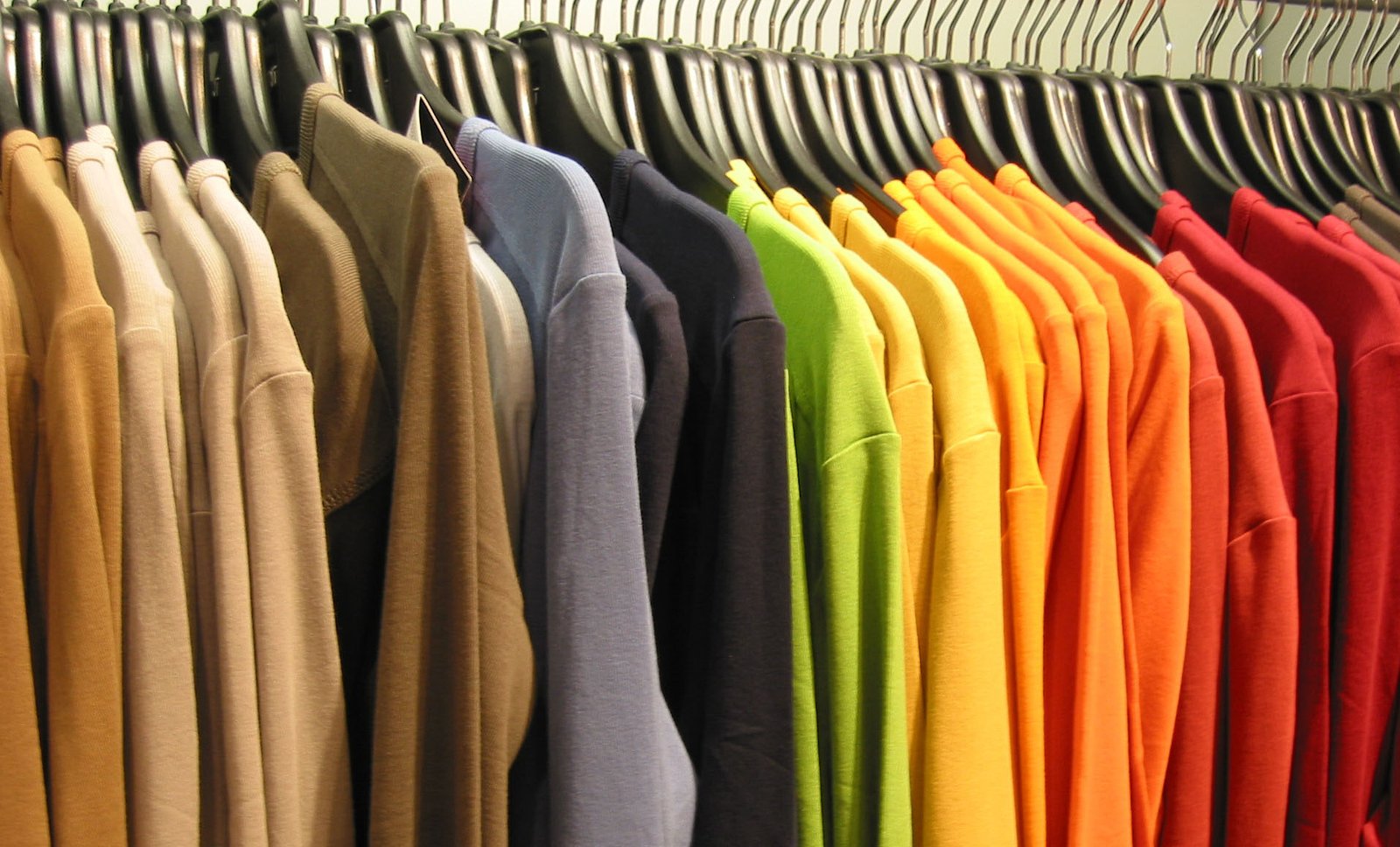
Round-Neck vs Polo T-Shirts for Corporate Uniforms
Corporate buyers frequently compare two categories: crew-neck/round-neck T-shirts and polo-collar T-shirts. There is no universal winner. Round-necks can offer an informal and simple appearance, while polos add a collar that some workplaces consider more structured. Both can carry branding where the method and garment permit it.
| Decision | Round-neck | Polo |
|---|---|---|
| Typical look | Casual | Collared and structured |
| Use to explore | Events, casual teams, promotional wear | Retail teams, office staff, branded uniforms |
| Logo planning | Small or larger prints subject to fabric | Chest embroidery or printing subject to fabric |
| Fit considerations | Neck shape, sleeve and chest width | Collar, placket, shoulders and chest width |
Namakool’s published catalogue contains men’s round-neck T-shirts, women’s round-neck T-shirts, men’s polo T-shirts and women’s polo T-shirts. Start with these real product listings when describing your requirements, and ask the team to confirm which variations and branding processes are available.

Choosing the Fabric and GSM for Company T-Shirts
The word “premium” does not specify a fabric. When comparing garments, ask about fibre content, knit construction, comfort, stretch, opacity, care, finish and fit. Different working environments create different needs. A desk-based employee, a retail worker and a promotional crew member may not all benefit from the same material specification.
GSM means grams per square metre and measures fabric weight. It is a useful comparison point, but a higher GSM does not automatically mean more suitable, more durable or more comfortable. Two fabrics with similar GSM can feel different depending on fibre blend and construction. Ask what fabric and GSM are actually available on your chosen Namakool product rather than assuming every listing offers every weight.
Cotton and cotton-blend considerations
Cotton-containing garments can offer a familiar fabric feel, while blends may change characteristics such as how a garment drapes, dries or handles creasing. Outcomes depend on the exact construction. If your organisation has a uniform standard, tell the supplier which material characteristics matter and request available options.
When should businesses ask about sports or dry-fit fabric?
For activity-based events, sports teams or outdoor staff, a buyer might want a fabric that manages moisture differently from a standard cotton-containing tee. Ask about any available performance materials and their care requirements rather than assuming a general T-shirt has dry-fit properties. Do not advertise performance claims unless they are confirmed for the actual garment.
Care and washing requirements
Staff uniforms may be washed frequently. Ask for garment and decoration care instructions, including ironing limitations or turning garments inside out where applicable. The supplier must confirm instructions for the actual fabric, print or embroidery method. A reliable care sheet can make an everyday uniform easier to maintain.
Corporate Logo Printing vs Embroidery
Companies often begin by asking whether their logo should be printed or embroidered. The right approach depends on the artwork and the selected garment. DTF, DTG and embroidery have different suitability requirements. Namakool can discuss decoration enquiries for suitable products, but no method should be promised for every fabric or artwork without confirmation.
Embroidery for a small chest logo
Embroidery uses thread stitches to form a logo. It may be worth exploring for a clean emblem or company crest where a textured finish is desired. Very tiny text and detailed gradients can be hard to reproduce in stitching and may need adjustments. Stitch density can also affect the way lightweight fabric sits, so a sample or embroidery proof may be useful.
DTF or DTG printing for graphics and text
Printed designs may work better for some large or detailed graphics, but the choice between methods depends on fabric composition, artwork, production equipment and the finish required. A large solid print can change the surface feel of a garment; a smaller print is different. Ask what is available for your product and review the design dimensions.
Read our detailed DTF vs DTG vs embroidery comparison if you need to decide between techniques for an employee T-shirt order.

Where Should the Company Logo Go?
Logo placement changes the look of employee apparel and can influence visibility in the workplace. A small left-chest mark may suit general daily uniforms, whereas a large back print may be useful for event staff. A sleeve logo can add secondary branding, but sleeve printing and embroidery require compatibility checks with the selected style.
For each decoration area, provide the artwork file and approximate width and height. The phrase “small logo” is not a measurable production instruction. Also decide whether all staff will have identical garments or if different departments need roles, names or other variable text. Unique names may affect feasibility and pricing.
Keep branding consistent across company departments
Use an approved brand file rather than allowing each department to redraw the logo. Record logo colour references, whether a white or dark version is needed and the desired position. If your business uses multiple garment colours, check how the logo contrasts on each of them before approval.

How to Collect T-Shirt Sizes for 50, 100 or More Employees
One of the biggest sources of bulk-order confusion is a poor size list. A company might know its total headcount but not how many employees need each size. For better accuracy, identify the actual garment style first and collect size selections from that item’s measurement chart.
A practical staff-size collection process
- Choose the product or confirm which cuts will be quoted.
- Obtain the relevant size chart and explain how measurements are taken.
- Collect each staff member’s size in one company-approved form.
- Separate men’s, women’s and other garment styles if different charts apply.
- Record quantities by colour, size and department as needed.
- Ask one coordinator to approve the totals before placing the order.
It is risky to treat labels such as S, M or L as identical across every brand and garment. For mixed teams, pay attention to differences between the men’s and women’s product dimensions. If staff are unsure, a measured garment or sample may help, subject to availability.
Plan a sensible spare quantity
Some organisations keep extra uniforms for new joiners or size exchanges, while one-day event orders may have little room for surplus. Estimate extras using your real company needs rather than automatically ordering a fixed percentage. Your total quantity should reflect budget and whether future reorders can be arranged.
How Many Corporate T-Shirts Should a Company Order?
There is no single correct quantity. A one-day event may require one garment per participant plus a small contingency; a uniform used repeatedly may require multiple items per person. Calculate total units from the number of wearers, how often the shirts will be used and whether an additional allowance is needed.
For example, if a company has 80 participants and plans one shirt per person, the starting quantity is 80 before any contingency. This is arithmetic to help planning, not a minimum-order or production promise. For ongoing uniforms, the employer should decide how many garments per person are appropriate for its own circumstances and ask the supplier for quotation options.
The minimum order quantity (MOQ) may differ with the base garment, printing or embroidery process, size and colour split, and other requirements. State the actual quantity you want and ask Namakool whether that configuration can be supplied.
What Affects the Cost of Corporate T-Shirts in Bulk?
A per-piece T-shirt quote only makes sense with a complete product specification. One simple round-neck garment with a small logo is not equivalent to a polo with multiple embroidered positions, special labels or individual names. Compare quotations using the same requirements so buyers can see genuine differences rather than misleading headline prices.
- Base garment: round-neck or polo, men’s/women’s style, fabric and fit.
- Quantity: total pieces, number of styles, colours and sizes.
- Logo method: printing or embroidery, artwork coverage and positions.
- Artwork complexity: extra preparation or personalisation for variable designs.
- Brand details: labels, hangtags or other finishing if requested and offered.
- Samples and approvals: any applicable physical or digital proof charges.
- Taxes and shipping: applicable charges to the actual destination.
- Timeline: feasibility for the required event date and shipment.
Ask for an itemised quote where possible. Confirm what is included, which taxes apply, what changes can alter the price, and when artwork and quantities become final. Do not assume a universal price bracket without verifying the materials and services.
Corporate T-Shirts for Events: Plan Backward from Your Event Requirements
An event order has more coordination points than a routine product purchase. The garment has to be selected, employees sized, artwork approved, decoration confirmed and shipping arranged before the event. Instead of assuming a standard manufacturing lead time, ask the supplier what schedule is feasible for the specific quantity and destination.
Keep one approved artwork version and one final count. If the event has several groups—speakers, volunteers, crew and organisers—decide whether to change shirt colours or simply use name badges. More variations can create additional ordering complexity. Reserve appropriate time internally for checking the quote, approving any proof and confirming the destination details.
Questions for an event coordinator
- What is the date by which the shirts must actually be received?
- Will the company logo or event graphic be the main visual element?
- Do staff require a visible role label such as “CREW” or “VOLUNTEER”?
- Are all sizes collected and approved?
- Are there multiple delivery locations?
- Who has final authority to approve artwork and the purchase order?
For a conference or trade show, also consider whether the design will look clear in event photographs and whether the shirts remain useful beyond the day itself.
Branded T-Shirts for New Employees and Welcome Kits
Employee gifting can create an opportunity to use a subtler design. A simple logo, suitable fit and clear size selection may encourage recipients to wear the shirt outside formal company events. Buyers may also ask about hangtags, neck labels or thank-you inserts to give the package a more coordinated presentation.
Namakool has catalogue listings for inside neck labels and hangtags. These are possibilities to discuss, not a guarantee that each finishing item can be combined with every T-shirt. If gift packaging is important, make it part of the original quote request rather than introducing it after the base garment is approved.
How to Choose Corporate T-Shirts for Multiple Cities or Offices
When offices in different places require one consistent uniform, keep the garment specification, size chart and artwork approval centralised. Even if each team manages its own size form, one consolidated quantity sheet reduces confusion about colours and logo positions. Confirm whether the supplier can support the requested delivery destinations, and ask how shipping charges and timelines are handled.
For organisations based around Chandigarh Tricity, Namakool also has practical guides covering Chandigarh bulk T-shirts, Panchkula corporate uniforms, Mohali staff apparel, Zirakpur group orders and Kharar merchandise. These city-specific guides do not mean Namakool has a factory or local office in each city. Actual shipping and service arrangements require confirmation.
Corporate Bulk T-Shirt Order Checklist
To request a reliable quotation, provide a concise but specific buying brief. The checklist below can be copied into an internal procurement form.
- Purpose: staff uniforms, employee gifts, exhibition or event crew.
- Garment style: men’s and women’s round-neck, polo or another requested product.
- Estimated quantity: totals and size-by-colour breakdown.
- Fabric: composition or hand-feel preferences and any GSM targets.
- Colour: company-approved shade or acceptable options.
- Logo: clear image/vector file, colours and approximate dimensions.
- Decoration: preferred printing or embroidery with exact positions.
- Personalisation: any unique employee names, numbers or role labels.
- Finishing: required labels or packaging subject to availability.
- Delivery: destination, required date, MOQ and written order terms.
COPY THIS CORPORATE T-SHIRT ENQUIRY
“Hello Namakool, our company needs [quantity] branded T-shirts for [uniforms/event]. Style: [round neck/polo]; colours: [list]; sizes: [size-wise quantities]; logo: [print/embroidery]; delivery city: [city]; required date: [date]. Please share available product options, MOQ, pricing and terms.”
Frequently Asked Questions About Corporate T-Shirts in Bulk
Can companies enquire about custom corporate T-shirts with their logo?
Yes. Namakool accepts bulk garment branding enquiries. Share the logo, garment selection, quantity and destination so the team can confirm appropriate customization options.
Which is better for office uniforms: round-neck or polo T-shirts?
It depends on the office dress code, staff roles and comfort needs. Round-necks generally create a casual look; polos provide a collared appearance. Confirm fabric and fit for the actual listing before ordering.
Can a company order different men’s and women’s shirt styles?
You may ask for both garment categories. Namakool has published men’s and women’s listings. Provide a separate size and colour count for each style and check the available variations.
Does Namakool offer logo embroidery?
Namakool accepts enquiries for embroidery on suitable garments. Whether your particular company logo and T-shirt style are suitable must be confirmed, along with any price or minimum quantity.
Can we order staff shirts for a conference or exhibition?
Yes, you can send a conference or exhibition clothing enquiry. Include the event date, number of participants, artwork and destination so feasibility can be discussed before you commit.
What is the MOQ for corporate bulk T-shirts?
The relevant minimum order quantity can vary with the garment, number of styles and decoration method. Contact Namakool for confirmation of the MOQ that applies to your intended order.
How much do branded corporate T-shirts cost?
Costs depend on garment fabric and type, quantity, print or embroidery details, finishing, taxes and shipping. An accurate quote needs your actual specifications.
Can we request an artwork proof or physical sample?
Ask whether sample garments or proofing are available for your particular product and customisation. Confirm any costs and timeline before relying on them.
Can I use my company brand colours?
You can share your brand-colour references. Garment shade and print-colour feasibility must be checked for the actual available fabric and decoration method.
How should we collect staff T-shirt sizes?
Use the size chart for the selected garment. Collect each employee’s size, separate different cuts or colours and have one purchasing coordinator verify the final totals.
How long does it take to receive a corporate T-shirt order?
Time depends on garment availability, quantity, customisation, destination and internal approval steps. Send your event or uniform requirement date and confirm the proposed schedule for the actual order.
Can the order include neck labels or hangtags?
Namakool has separate neck-label and hangtag listings. Compatibility and availability for a selected T-shirt order require discussion with the team.
How do I get a quotation from Namakool?
Call or WhatsApp +91 72900 08585 with the quantity, sizes, selected product, logo and delivery location. You can also visit the contact page or bulk product catalogue.
Request a Corporate T-Shirt Bulk-Order Quote
Whether you need T-shirts for a new uniform programme, an office celebration or a branded event team, your strongest starting point is a clear, complete buying brief. Browse the relevant Namakool products, collect the size breakdown, prepare approved artwork and contact the team to discuss suitable printing, embroidery and pricing options.
For other garment categories, see our corporate polo T-shirt guide, bulk hoodie guide and bulk clothing manufacturing overview.
NAMAKOOL • CORPORATE BULK APPAREL
READY TO ORDER COMPANY T-SHIRTS?
Send your company logo, selected style, staff-size split and target delivery city to Namakool for a practical bulk quotation.
Product photographs are reference images from Namakool’s existing website media. This guide does not guarantee a particular garment, printing/embroidery method, minimum order, factory location, price, sample or delivery timeline. All order terms must be confirmed for the requested specification.