
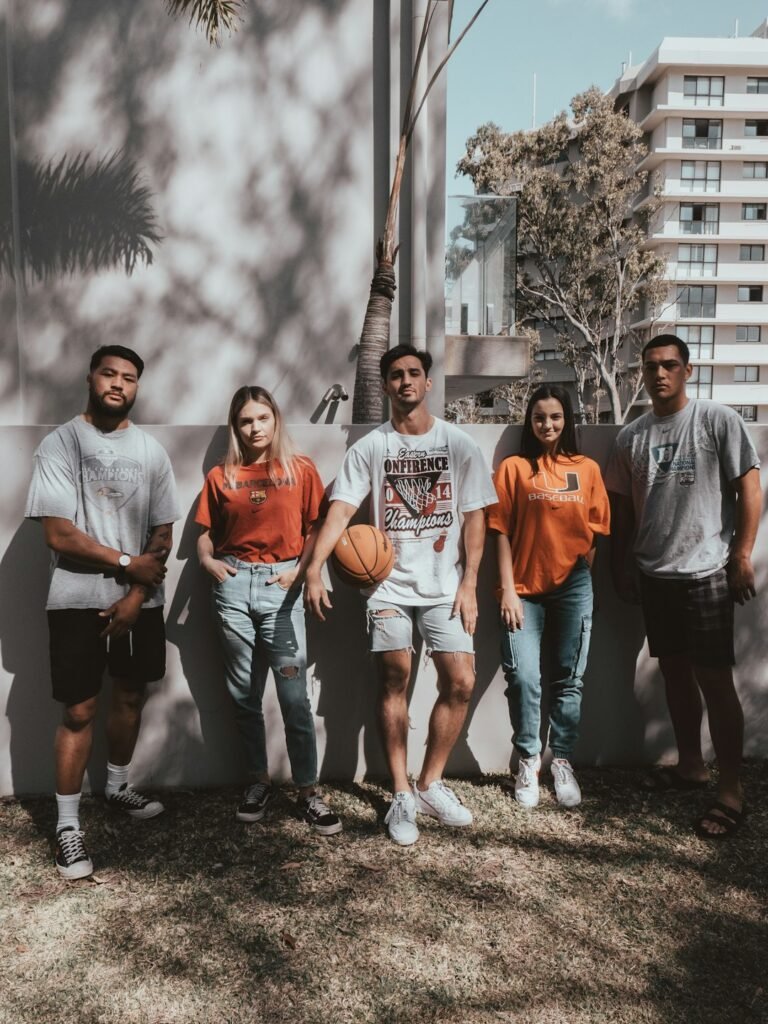
Quick answer: Delivery and logistics companies should select branded T-shirts by the work performed, expected washing frequency, comfort and brand visibility. A T-shirt is not a substitute for required protective or high-visibility workwear.
Courier riders, last-mile delivery teams, sorting-hub staff and dispatch coordinators often share a company identity but do very different work. Bulk delivery team uniform T-shirts can make staff recognisable, simplify distribution and support a coherent customer-facing image. The best purchasing plan keeps outdoor conditions, movement, laundering and safety requirements separate from logo design.
This guide focuses on standard branded apparel for businesses across Chandigarh, Panchkula, Mohali, Zirakpur and other Indian cities. Where protective clothing is needed, confirm occupational safety requirements with a competent adviser and acquire the appropriate certified equipment separately. A printed logo or bright T-shirt alone should never be described as safety PPE.
Buyer snapshot: Choose a comfortable uniform for each role, keep high-visibility and PPE claims separate, maintain a size-by-size register and plan reorders for new staff.
| Use case | Suggested starting point | Check before approval |
|---|---|---|
| Bike or bicycle delivery staff | Comfortable branded layer suited to the approved uniform policy | Fit with existing protective equipment |
| Warehouse sorters | Easy-care tee or polo | Movement and washing |
| Dispatch desk | Branded polo or round neck | Clear company identification |
| Seasonal promotional team | Event T-shirt with approved artwork | Campaign date and quantities |
Separate rider, warehouse and office uniform requirements

A logistics business needs to understand what its employees actually do before approving one garment for every job. A courier rider spends time outdoors and may wear a helmet, jacket or other equipment. A warehouse colleague repeatedly bends, lifts and moves cartons. A dispatch coordinator may stay indoors but meet drivers, vendors and visitors. Those roles need their own fit, layering and washing considerations. Build a role matrix and let supervisors validate it.
A central company identity does not require identical fabric in every team. It may be useful to specify a dark polo for customer service and a comfortable tee for warehouse work, while keeping the same approved mark. Decide how garments will be worn with other required equipment. If a shirt bunches up under a jacket or obstructs comfortable movement, a digital mockup will not reveal the problem.
Do not make fabric colour stand in for safety planning. High-visibility clothing, reflective tape, protective footwear and related items require task-appropriate assessment and may be governed by standards or employer rules. Treat normal logo T-shirts as branding and comfort garments only, unless qualified documentation establishes something more.
Fabric choices for long shifts and changing weather
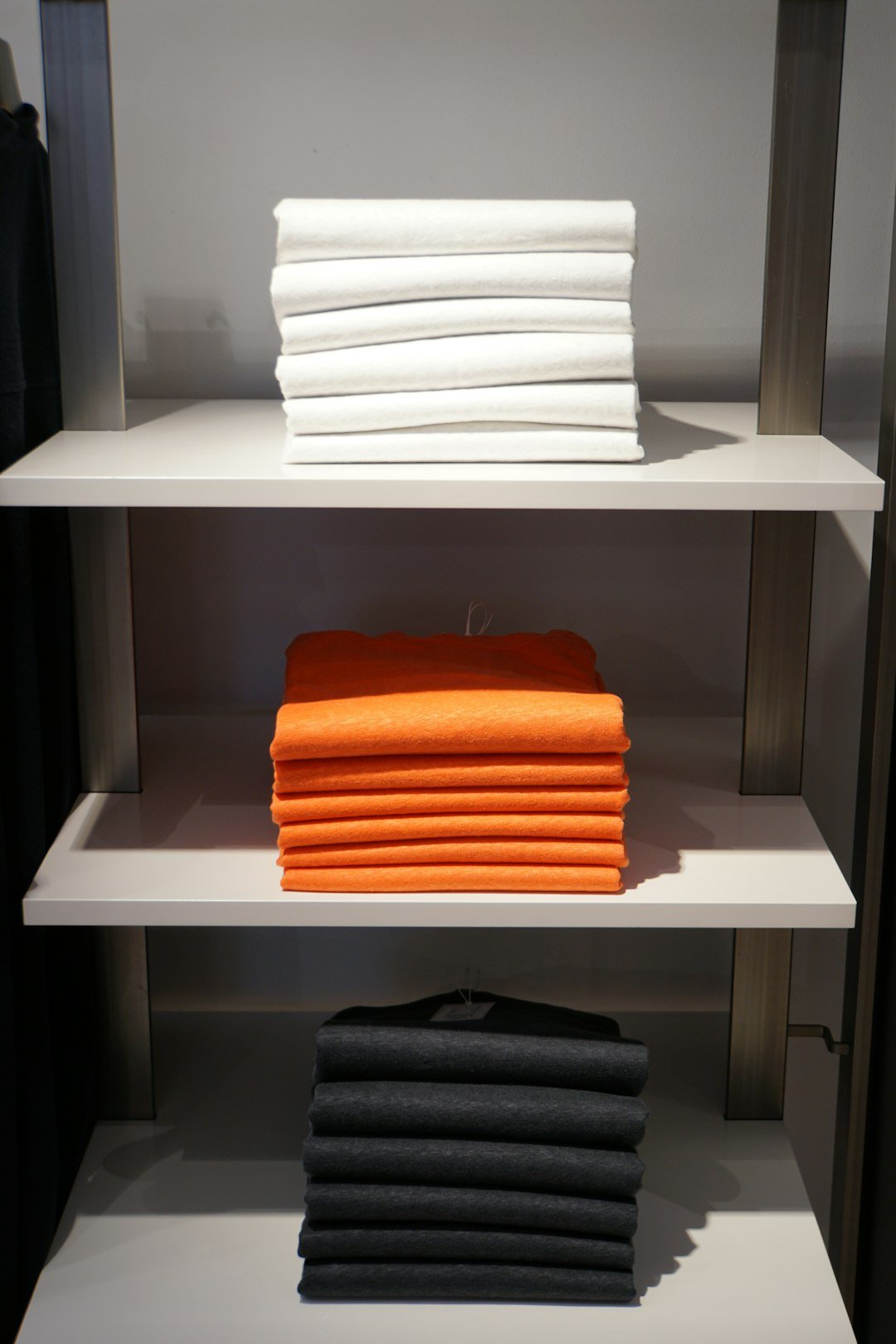
Polyester, cotton and cotton blends each have different practical trade-offs. Many polyester constructions dry quickly and are used in active clothing; some workers prefer the feel of cotton against the skin. Blends can offer compromise options, but fabric behavior depends on the exact weave or knit and finish. For an employee spending hours outside, evaluate heat comfort, fit and layering rather than relying on a broad marketing term such as “all-weather”.
Ask for fiber composition, GSM, garment measurements and care guidance. A lower GSM may feel lighter, yet opacity and durability should also be checked on samples. A dark shade may hide some stains but can behave differently in direct sunlight. Temperature, rainfall and job duration vary by city and season, so it is often more practical to approve an everyday shirt and a separate seasonal layering policy.
Test a sample after washing, stretching and daily movement. Look at collar recovery, seam strength, pilling and whether the logo treatment feels stiff under straps or backpacks. Request clear measurements and an allowable production tolerance; don’t assume that a replacement run will match without confirming the approved base garment.
Use clear branding without crowding the uniform
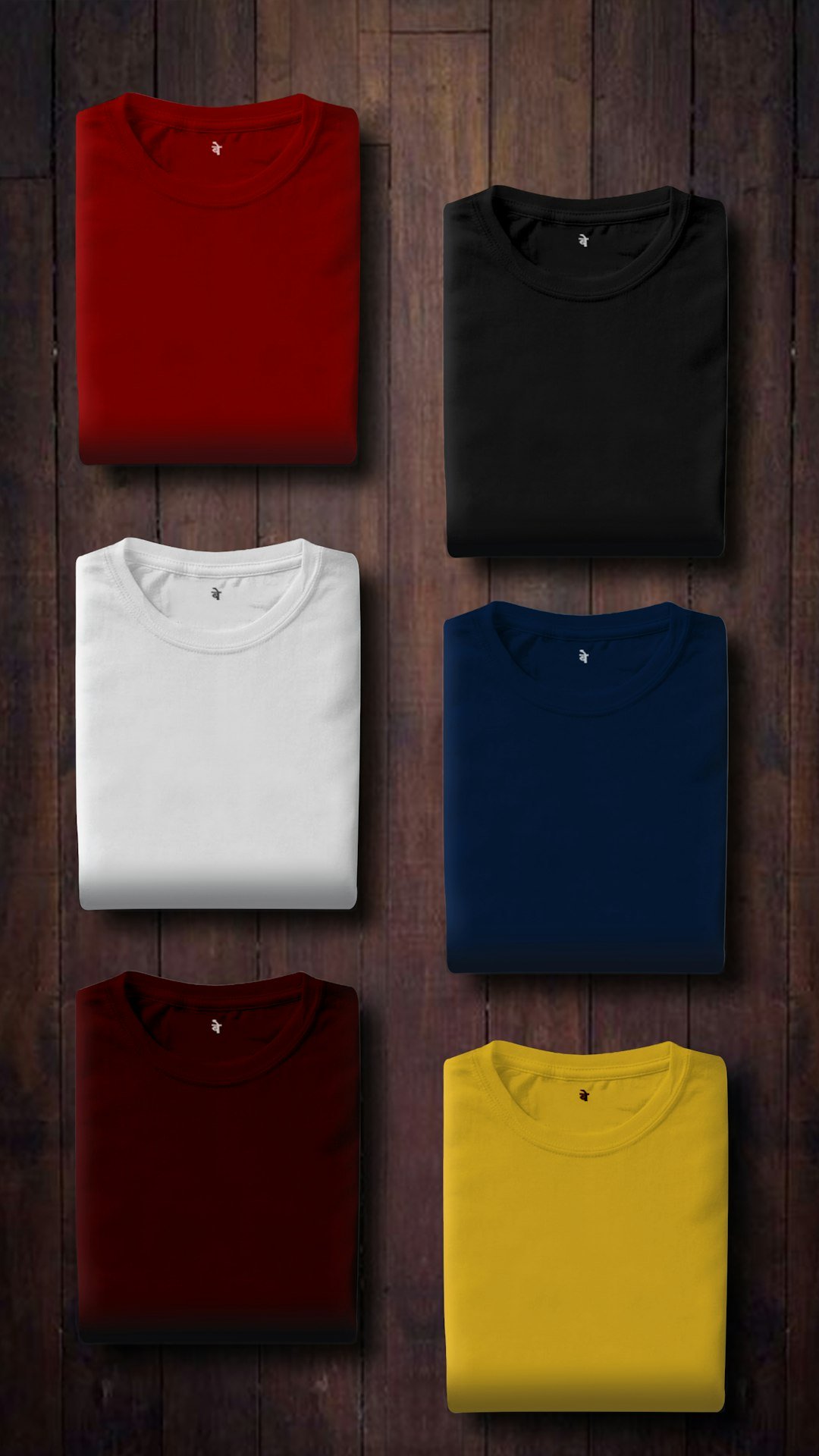
Uniform branding should let a customer understand who is approaching a doorstep without adding misleading identity claims. A legible company mark on the front and an optional back identifier can be helpful, but printing every slogan and contact number creates clutter. Smaller marks can work on polos; large graphics may be more suitable for seasonal promotional campaigns. Match placement to backpacks and jackets, which may cover parts of the shirt during deliveries.
Ask for a mockup on the actual garment colour and inspect print contrast. Black on dark blue may be stylish but hard to identify from a distance. Light lettering on a dark shirt may show better, though this is a design choice rather than a safety rating. If individual IDs or names are required by the business, establish a privacy-respecting policy and consider removable badges instead of permanently displaying personal information.
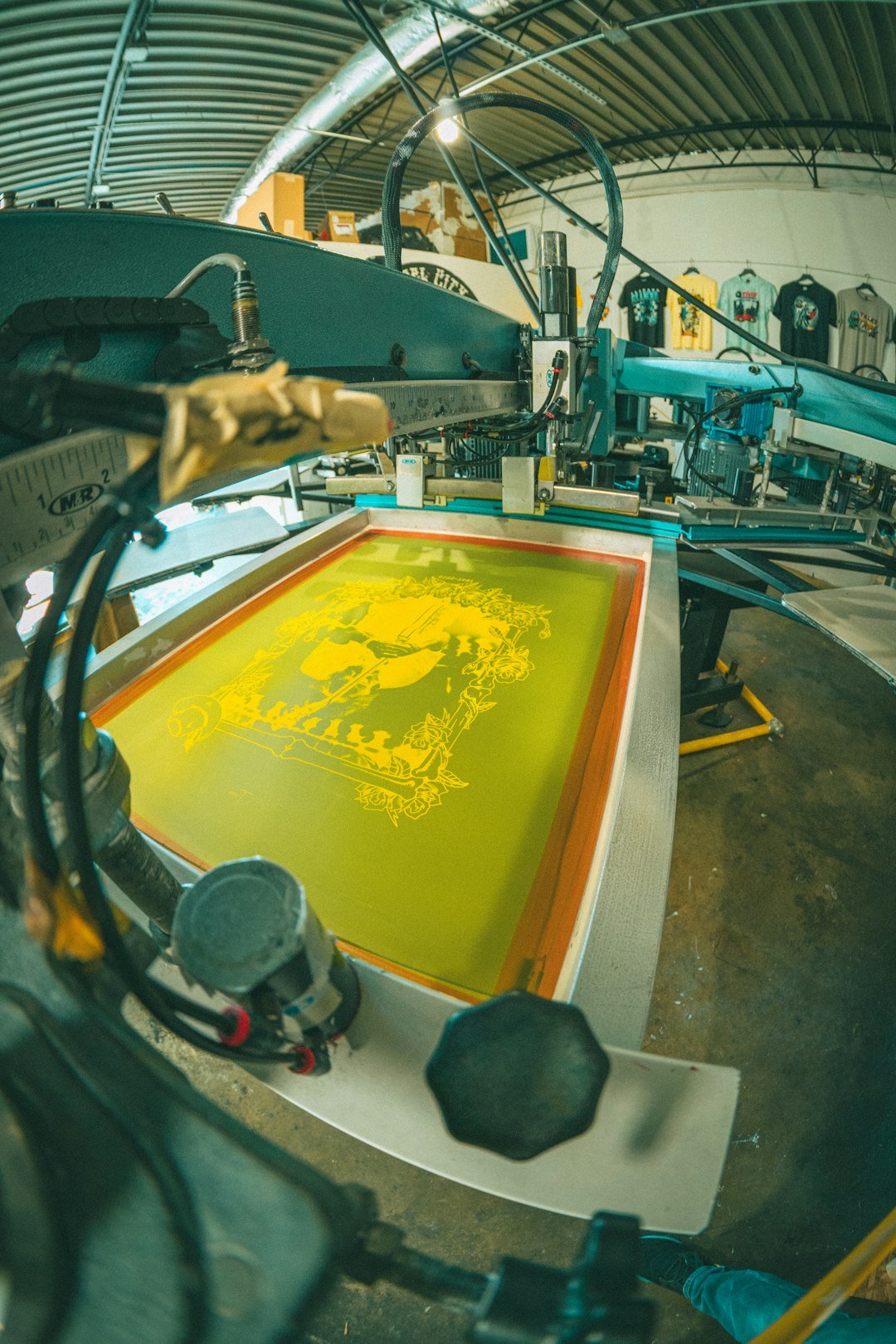
Approve artwork centrally before vendors print. Use clean vector files, document the size of the logo and confirm whether the proposed method is suitable for stretch and frequent washing. Compare printing and embroidery in the Namakool decoration comparison rather than assuming one method works best on every fabric.
Avoid mistaking ordinary branded shirts for safety PPE
An ordinary printed uniform is not the same as certified high-visibility or protective workwear. Fluorescent-looking fabric, a stripe or reflective-looking graphic does not on its own prove conformity with a high-visibility standard. If a company has workers operating near traffic, machinery, loading docks or hazardous locations, it must assess the risks and obtain appropriate protective garments and equipment through the relevant professional process. Do not replace this requirement with a marketing T-shirt.
When specifying standard polos or round-necks, state plainly that the item is for identity and everyday wear. If you require special visibility or protective characteristics, ask the provider for the applicable test report, certificate, scope of certification and product identification. Avoid statements such as “road-safe”, “traffic approved” or “industrial grade” without evidence.
For general orientation on Indian standards, consult the Bureau of Indian Standards and seek competent workplace safety advice. The purpose of this section is to prevent a branding purchase from accidentally being represented as safety procurement. It is not an assessment of legal obligations for a particular workplace.
Build a size and issue system for rotating teams

Logistics teams can have changing rosters, new starters and seasonal staffing needs. A uniform system must make issue and replacement simple. Collect sizes with the specific finished-garment chart used by the supplier. Consider a try-on set at the main hub, because workers may wear layers and have different fit preferences. Don’t infer shirt size from height, gender or prior brand labels alone.
Record each location’s quantity by size, garment style and issue date. A spreadsheet can show on-hand stock, issued items and a reorder threshold. Use neutral item codes such as “navy polo / regular fit / L” so that future buyers can identify a matching garment. Store artwork files and supplier samples in one accessible purchasing record.
A small replenishment allowance should be based on actual staff turnover and size usage, not an arbitrary percentage. If the business operates hubs in multiple cities, ask for branch-labelled cartons and size lists. That prevents headquarters from receiving a mixture of items that require hours of additional manual sorting.
Create a washable uniform specification and test it
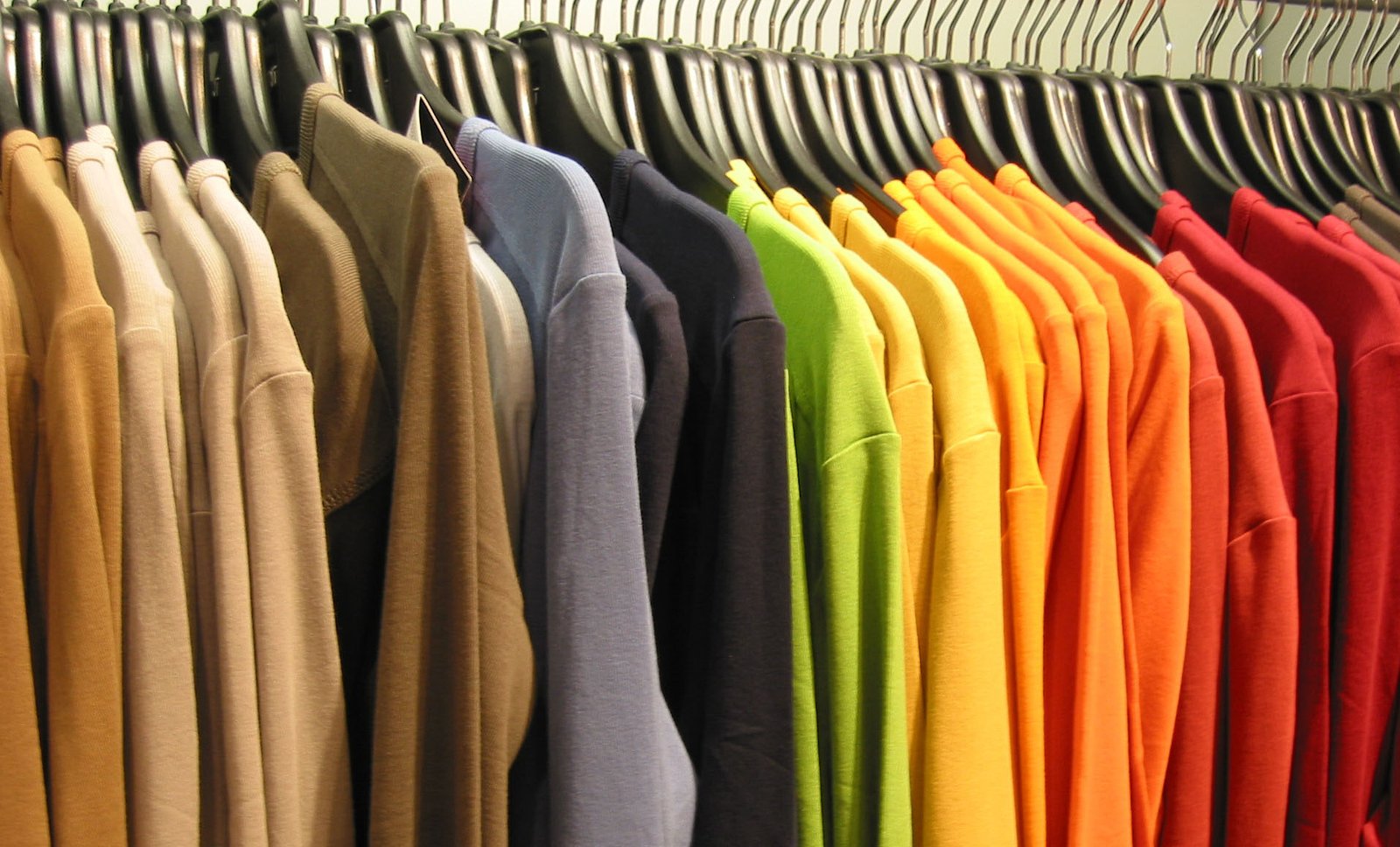
A delivery team uniform may be washed often because of outdoor dust, sweat and transport use. Before comparing per-piece prices, make washing a sample part of the decision. Review the care label and wash according to its instructions, then check for changes in fit, shade, neckline and logo finish. Test more than one size if the construction or print areas differ.
Avoid unverified promises of fade-proof colour, zero shrinkage or indefinite print life. Those statements require specific evidence and conditions. Ask the supplier how decorated garments should be dried and ironed, and ensure the business can communicate the care procedure in a short staff note. If uniform collection is handled through a laundry contractor, verify its process against the approved garment.
Quality inspection should look at random samples from different cartons rather than a single shirt. Count units, confirm sizes and compare logo placement with the approved sample. A documented inspection method makes an issue easier to resolve before distribution and reduces disputes after garments have already been worn.
Calculate the total courier uniform order cost

A useful quote must state garment price, print or embroidery cost, sampling, packaging, taxes and delivery. Confirm whether large sizes cost more, whether mixed colours can share a quantity tier and how the vendor defines the minimum order. A logo printed on two positions may have a different cost from one small chest mark. Personal names or numbers can create further production work.
Compare like-for-like quotes with the same fabric, size mix, decoration and shipment details. A low base price may be less attractive when back printing, individual polybags or branch delivery is added. Budget also for replacements because the cost of multiple emergency orders can outweigh the benefit of a slightly cheaper initial order.
Share a target date rather than expecting a fixed standard turnaround. The schedule may include artwork approval, sample production, the main run, inspection and shipping. For a new delivery launch, build time for uniform distribution to each hub before workers begin customer-facing shifts.
Bulk ordering for Chandigarh, Mohali and multi-city logistics teams

Businesses in Chandigarh, Panchkula, Mohali, Zirakpur and Kharar can enquire with a location-wise size breakdown, logo artwork and delivery PIN code. Multi-city courier operators can follow the same process using a spreadsheet listing each destination and quantity. Ask whether a consolidated order with multiple shipments is commercially and logistically feasible; do not assume it is available by default.
Namakool’s corporate T-shirts in bulk page is a starting point for garment styles. The size and fit guide can help the purchasing team avoid common size-chart confusion. For polos, see bulk polo enquiries.
A good enquiry makes uncertainty explicit: quantities may change, new hubs may open and deadlines can depend on staff onboarding. Put firm quantities in the initial purchase order and label estimates separately. That reduces last-minute surprises and gives the supplier a clearer basis for availability and pricing. Keep rider safety requirements in a separate, specialist procurement process.
Courier uniform purchase-order template and branch rollout

Consider a delivery business with three hubs, each with permanent employees, seasonal hires and a different balance of riders and warehouse staff. It might calculate a provisional order of 75 branded shirts for Hub A, 60 for Hub B and 40 for Hub C. These quantities are hypothetical examples, not a Namakool order minimum or a guarantee about supplier capacity. The useful first document is not a picture of the company logo; it is a location-wise allocation sheet distinguishing garment role, size, colour and intended distribution date.
Specify the garment’s function clearly. If it is an ordinary branded polo, label it standard uniform apparel. If employees need certified protective or high-visibility workwear for traffic or warehouse hazards, document those requirements through a separate safety purchasing process. A promotional print, colourful stripe or reflective-looking artwork should never be used to claim protective performance without appropriate evidence. Rider supervisors should also check the interaction of ordinary shirts with helmets, jackets and other gear required by their operating rules.
Build a purchase-order table with columns for branch, role, item code, fit, fabric composition, approved colour, size, quantity and artwork version. Give every hub its own subtotal. Add the preferred receiving address, PIN code and phone contact. If the vendor supports branch-wise carton packing, request labels with the branch name and a size-wise packing list. If this is not supported, the business can plan sorting at a central facility rather than expecting the parcels to arrive ready for distribution.
For the initial garment sample, choose workers who reflect several job types and ordinary body measurements, then inspect range of motion, sleeve comfort and collar stability. Wash according to the care label and check logo edges, visible pilling, shrinkage and seam condition. Keep a written sample approval. A standard measurement chart should state whether chest width is a flat measurement. Telling workers to order their “usual medium” from an unknown garment pattern increases the chance that stock must be exchanged after delivery.
Decide in advance how names, staff IDs and other variable data will be handled. Personalisation increases artwork and production complexity, may increase unit cost and may be inappropriate if identities change frequently. In many circumstances a company logo and a removable employee ID badge are easier to manage. Where printing personal details is genuinely needed, limit the data to the authorised operational purpose, keep the list with the appropriate manager and confirm how the supplier will handle the information. A uniform purchase should not create unnecessary exposure of staff information.
Use a realistic timeline that includes approval, manufacturing, quality checks, transport and branch distribution. Confirm whether cartons should go to one warehouse or several hubs and what the total delivered quotation includes. For repeat orders, maintain a reorder threshold based on actual size consumption, staff onboarding and the time the supplier needs. This approach keeps new starters equipped without turning every hire into an urgent small order. Final goods should be checked against the approved sample and branch-specific packing list before being issued.
Frequently asked questions about delivery team uniform T-shirts in bulk
Which fabric should courier teams choose?
Review cotton, polyester and blends against work setting, heat comfort, wash routine and sample performance. There is no one material suitable for every role.
Are bright custom T-shirts certified high-visibility wear?
No such claim should be assumed. Obtain properly specified and documented protective workwear for tasks that require it.
Can a company print names or IDs on delivery uniforms?
Ask about variable-data printing, but use a privacy-conscious employee identification policy and confirm the added cost.
How do I plan sizes for several delivery hubs?
Collect measured sizes with one approved chart and submit a separate quantity matrix for each hub.
What affects a bulk delivery uniform quote?
Garment fabric, sizing, colour mix, artwork, printing locations, sampling, packaging, tax and destinations all affect the quoted terms.
How can I contact Namakool?
Send the uniform specification, logo, quantities and PIN codes through the contact page or WhatsApp.
Request a delivery team uniform T-shirt quotation from Namakool

To request courier or logistics team apparel, send your company name, roles, shirt types, quantities by size, preferred colours, logo artwork, branch delivery addresses and planned distribution date. Confirm in writing whether the order covers standard branded T-shirts only. Purchase required PPE or certified high-visibility garments through a separate appropriate safety process.
Submit your artwork and size-wise quantity through the Namakool contact page or WhatsApp +91 72900 08585. See bulk custom T-shirt printing and polo T-shirt manufacturing enquiries for related options. Availability, MOQs, turnaround and tax are subject to a written quotation, not guaranteed by this guide.