

Custom T-Shirt Printing in Bulk by Namakool. Compare practical printing and embroidery options for cotton round-neck tees, company polos, college events and clothing brands. Get a quotation based on real garment references, approved artwork, sizes and delivery requirements—not a generic price claim.
For businesses needing personalised T-shirts in the Zirakpur area, our Zirakpur bulk company apparel page covers garment choices, sizing and delivery planning. The printing methods below help you prepare the artwork requirements for your chosen product.
Custom T-Shirt Printing in Bulk: What to Request First
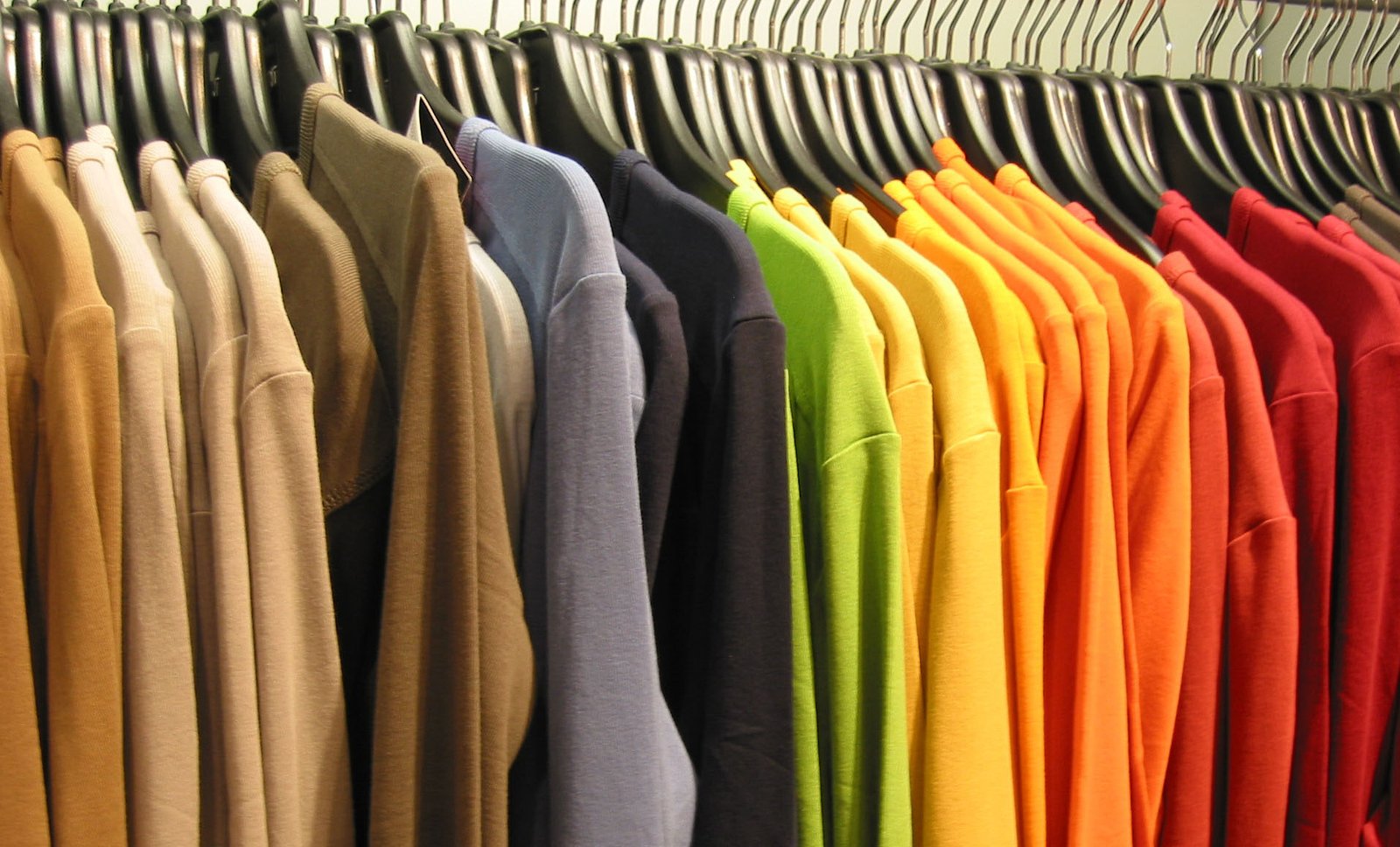
Need custom T-shirt printing in bulk for a business, event or clothing brand? Namakool helps buyers plan customised garment orders using its published T-shirt catalogue and a quotation process. Whether you want a small chest logo on staff polos, a back graphic for a college society or a retail-style design for a new label, the most important first step is to define the exact garment and artwork requirements.
Start by choosing among round-neck and polo T-shirts and checking product-specific sizes and fabric details. The website lists cotton round-neck options at 180 GSM and cotton polos at 220 GSM, among other apparel. Different styles have different surfaces for decoration. Tell the team the quantity, colour, fit, size distribution, artwork file and where you want the design placed.
Printing and embroidery involve method-specific limitations, so do not assume all methods are appropriate for every garment or that complex designs can be supplied at the base listed product price. This page is designed for buyers who are ready to request a tailored commercial quote. If you still need help selecting a garment, the bulk T-shirt manufacturing landing page explains product choice and overall production planning in more depth.
Choose Printing for Corporate Uniforms, Events or Fashion Merchandise

Different buyers use customised T-shirts for very different purposes. A corporate uniform usually prioritises consistent placement, suitable garment colours, ease of reordering and a clean logo. A college festival shirt may need a bold illustrated back print. A marathon or volunteer shirt may need visible identification in crowded spaces. Private-label clothing may focus on a distinctive print feel, fashion styling, neck branding and later repeat production.
It helps to define a primary audience before comparing printing methods. Tell the supplier if the shirts will be worn at an outdoor summer event, for daily office use, or only as merchandise sold through a fashion store. Such details influence the garment and artwork recommendations. A large print on a cotton tee may feel different from an embroidered logo on a heavier cotton polo, and a technique suited to one artwork may not suit another.
You can compare men’s round-neck T-shirts, women’s round-neck T-shirts and collar T-shirts. Use the promotional T-shirt guide for event-specific ordering. Ask about a proof or sample before producing a large batch, particularly when the artwork is detailed or the garment is new to your business.
Screen Printing for Repeated Designs: Questions to Ask

Screen printing is commonly discussed for repeated designs on T-shirts. It can be relevant when a buyer has the same artwork across many pieces, especially where design and colour requirements are predictable. However, the economics and output depend on the supplier’s equipment, setup, artwork, ink system and volume. This description is educational; it is not a claim that every screen-printing configuration can be booked from Namakool without confirmation.
To request a realistic quote, share how many ink colours your artwork needs, whether the design is on the front or back, approximate dimensions and the number of garment colours involved. A design on dark fabric may require different preparation from a design on white fabric. If the art contains tiny type or photographs, ask whether screen printing is the right technique or whether a different print method would be preferable.
Confirm whether there are separate setup charges, design limitations or minimum quantities for the selected method, and request a written estimate. The same shirt design produced in a small sample run may have a different cost structure from a longer production run. Read the printing methods comparison guide for a broader explanation before final approval.
DTF Transfer Printing: Full-Colour Artwork and Fabric Compatibility

Direct-to-film, often shortened to DTF, is one of several methods buyers compare for decorated apparel. It can be considered for certain detailed and multicolour graphics, depending on the fabric, equipment and transfer process. The result and durability will vary with the quality of transfer materials and application. No method should be chosen based on marketing language alone or without checking how a completed sample feels and washes.
Send the finished artwork and dimensions rather than a low-resolution social-media screenshot. Identify whether the print is intended for a small left-chest logo, a large back graphic or another location. Ask how colour reproduction will be evaluated and whether the design includes fine text that may need adjustment. If several apparel colours are involved, ask whether the design requires variation to maintain legibility.
The final feasibility of a DTF quote from Namakool must be confirmed for the chosen product. The DTF, DTG and embroidery buying guide explains practical differences. Compare comfort, artwork limitations and cost, rather than assuming a particular technique is best for every fabric and order size.
DTG and Digital Printing: Artwork, Detail and Sampling

Direct-to-garment printing, usually called DTG, is another approach buyers may encounter when researching high-detail designs. It is often discussed for artwork with nuanced colour and complex graphics, but suitability depends on the fabric, preparation, ink system and equipment. Digital methods are not interchangeable with one another, and a supplier may offer only some of them for a selected garment. For your Namakool enquiry, ask which decoration processes are actually available and what output is expected.
Artwork quality matters. Work from approved original files, include the desired physical print size and avoid submitting compressed graphics with unclear edges. Colour on a phone display is not a reliable proof of the colour a print will produce. If the intended graphic has a large block of colour, small type or an unusual fabric surface, request specific advice and sampling options before confirming the bulk order.
For everyday company T-shirts, also consider the garment itself. The T-shirt catalogue lists available styles and fabric details; choosing the correct blank is as important as choosing a printing process. You can compare fabrics in the cotton versus polyester guide while remembering that not every discussed fabric is confirmed stock.
Logo Embroidery for Cotton Polos and Premium Teamwear

Embroidery is often preferred when a buyer wants a textured logo or a restrained corporate uniform look. It can work well for some emblems on polos, sweatshirts and hoodies, but the final result depends on fabric stability, stitch count, thread colours and the size of the design. Tiny lettering, gradients and densely filled artwork may need redesign. Do not assume that a complex photograph can be converted into a small embroidered mark without trade-offs.
For a staff uniform quotation, provide the original logo, preferred position and approximate final width or height. Ask the supplier to evaluate the stitching method, placement and garment compatibility. If the logo includes both an icon and a long strapline, it may make sense to simplify it for a small chest position. The approved visual should be reviewed at real size before production, not only as a large digital mock-up.
Compare men’s cotton polos and women’s cotton polos. The two styles may have different size charts and availability. Our bulk corporate polo guide helps you plan logo size, team clothing and quotations with consistent branding.
Design Files, Vector Logos and Artwork Approval

Production-ready artwork is one of the best ways to reduce delays in a custom clothing order. Supply an original vector logo if available or a sufficiently high-resolution image suitable for the intended physical size. Include brand colours, approved text, whether the background should be transparent and the exact product on which it will appear. A screenshot of a logo from messaging software may look acceptable on a phone but become blurry when enlarged.
Artwork should be reviewed together with the garment. A chest print on a polo may need different proportions from the same graphic on the back of a round-neck tee. Text should remain readable on dark and light colours. If the project has multiple garment colours, decide whether the design will remain identical or require light and dark versions. For background on the distinction, Adobe provides an overview of vector versus raster graphics.
Before approving the order, request a proof showing the final artwork, garment colour, print position and dimensions. Check spelling, punctuation, company names and logo proportions. Keep the approved version with the final invoice and order sheet to minimise confusion. Namakool’s terms and conditions include artwork approval requirements; read the current terms before payment.
Front, Back, Sleeve and Neck Placement Options

The position of a design changes how the garment looks and the work required to produce it. A small front logo can suit a staff polo, while a bold back design may be useful for an event crew or a college club. Sleeve details can help build a coordinated fashion collection. Inside-neck branding may be more useful to a private clothing label than to a one-day promotional event. These choices should be written into the quotation rather than treated as free additions.
List every planned decoration position with its dimensions and colour requirement. A two-position print is not necessarily the same price as a single front logo. If text is placed close to a collar or seam, the supplier should check available space. Large artwork across garment folds or seams can require design adjustments. Ask for a visual proof for each distinct garment style, especially when the order includes both polos and round-neck T-shirts.
Namakool lists separately priced inside-neck labels and outside-sleeve branding labels, alongside hangtags. The published label minimum is 500 pieces, and the exact production process or final attachment method should be confirmed. The private-label manufacturing guide shows how these details fit into a wider product collection.
Cotton GSM, Garment Colour and Print Feel

Printing decisions should start with the garment fabric, not only the desired artwork. A cotton round-neck tee, a cotton polo and a heavier hoodie have different constructions and may respond differently to a decoration method. GSM indicates material weight, but it does not describe ink adhesion or comfort by itself. Fabric finish, colour, surface texture and washing care matter as well. Buyers should not infer a printing guarantee from a single GSM value.
The Namakool catalogue lists 180 GSM cotton for common round-neck tees, 220 GSM cotton for polos and 260 GSM cotton for several hoodies and sweatshirts. These are separate product references rather than equivalent blanks. Share the exact garment URL in your enquiry so the team can assess feasible decoration. For large print areas, ask about hand feel and breathability of the completed print where appropriate, and for an embroidered design, check suitability on the selected fabric.
When choosing colours, remember that a logo that works on white fabric may not remain clear on navy or black. A print preview should be checked for contrast and legibility. If exact colour matching is essential for the brand, ask about a physical sample or relevant proof. See the GSM comparison article for further buying considerations.
Quantity, Size Mix and a Fair Itemised Printing Quote

A useful printing quote requires more than a total piece count. Provide the size mix, number of garment colours, how many artwork versions you need and every decorated location. A hundred identical shirts with one small print can have a different quotation from a hundred shirts split across several garment styles, logos and print positions. Do not compare prices unless the garments and services are equivalent.
Ask Namakool to itemise the base clothing, selected decoration, number of print positions, any artwork preparation or sampling charges, custom tags or labels, packaging, GST and transport. Published product prices are useful catalogue references but are not necessarily complete prices for fully customised bulk orders. Additional work may carry separate costs. Request a written offer with the minimum order, approval requirements and estimated dispatch.
Build and approve a size spreadsheet before production. Check the measurements on the selected garment rather than assuming all medium sizes have the same dimensions. For size planning, use the bulk sizing guide. For detailed cost drivers, see manufacturing cost in India. Official tax information is available through the GST portal, but the final invoice must confirm applicable charges.
Bulk Custom Printing Enquiries in Chandigarh, Mohali and India

Buyers often combine a printing requirement with a delivery location. A business in Chandigarh may want polos with an embroidered emblem, while a college in Mohali may need large back prints for festival apparel. A group in Panchkula, Zirakpur or Kharar may want simple cotton shirts with the same logo in multiple sizes. The delivery city matters for quotation accuracy and scheduling, but it does not mean the supplier operates a printing workshop in every named location.
Namakool has specific order guides for Chandigarh, Mohali, Panchkula, Zirakpur and Kharar. Other destinations in India may enquire subject to shipping and service confirmation. The published contact page lists a Baltana, Zirakpur business location and a Ludhiana factory address; contact Namakool before arranging any visit.
Provide the full delivery postcode and target in-hand date from the beginning. If you are purchasing for an event, allow time for artwork proof, possible sampling and manufacturing. Ask for a written delivery estimate tied to the approved product list; do not rely on a generic fast-delivery claim.
Frequently Asked Questions About Custom Bulk T-Shirt Printing

What is the best method for a company logo? The best option depends on the garment, logo detail, intended print size, order quantity and budget. Small company emblems may suit one approach, while full-colour designs may need another. Ask for a technique recommendation after supplying the actual artwork.
Can Namakool print logos on men’s and women’s T-shirts? The published catalogue includes both product categories. Submit the chosen garments and logo requirements; the team must confirm printing feasibility and the final commercial terms for each style.
Can I mix printed and embroidered products in one project? You can submit a combined quotation request, but availability and pricing for each garment and decoration process must be reviewed separately. Never assume embroidery or a second print is included in a basic price.
Do I have to provide vector artwork? It is useful when available, especially for logos. Ask the supplier what files are accepted for your selected method; high-quality raster files may be suitable for some requirements.
What is the minimum order for custom printing? It depends on the specific garment, decoration method and design. No single universal apparel MOQ is promised here. Request an order-specific quote.
How do I know the colours will match? Request a proof and discuss physical sampling where exact colours are essential. A phone screen is not an accurate colour standard.
Can I get printing on front, back and sleeves? You can request multiple placements, but their feasibility and any separate charges must be confirmed for each garment.
What details should I send for a quote? Product links, quantity, size breakdown, garment colours, artwork, intended print dimensions and locations, delivery postcode and desired in-hand date.
Request Custom T-Shirt Printing Prices for Your Order

If you’re ready to compare custom T-shirt printing prices, begin with the published clothing catalogue. Choose a base T-shirt, polo or suitable garment, then send Namakool your logo file and a concise order brief. You can also consult the manufacturing and sourcing page if you still need to compare garment styles.
A clear enquiry describes what you need in one message: garment, fabric if known, quantity, selected colours, sizes, number of designs, exact decoration locations and expected delivery date. Request written confirmation of available methods, product pricing, artwork approval, any sample costs, taxes and shipping before committing to the order. This avoids confusing an illustrative catalogue price with a complete custom-production quote.
Get a Custom Bulk T-Shirt Printing Quote
Share the style, quantity, colours, logo placement, artwork file and delivery date.
Illustrative garment photos are from the Namakool media library; photographs do not claim that any displayed product already has the technique described. Printing availability, artwork compatibility, minimum quantities and lead times must be confirmed for your chosen order.