
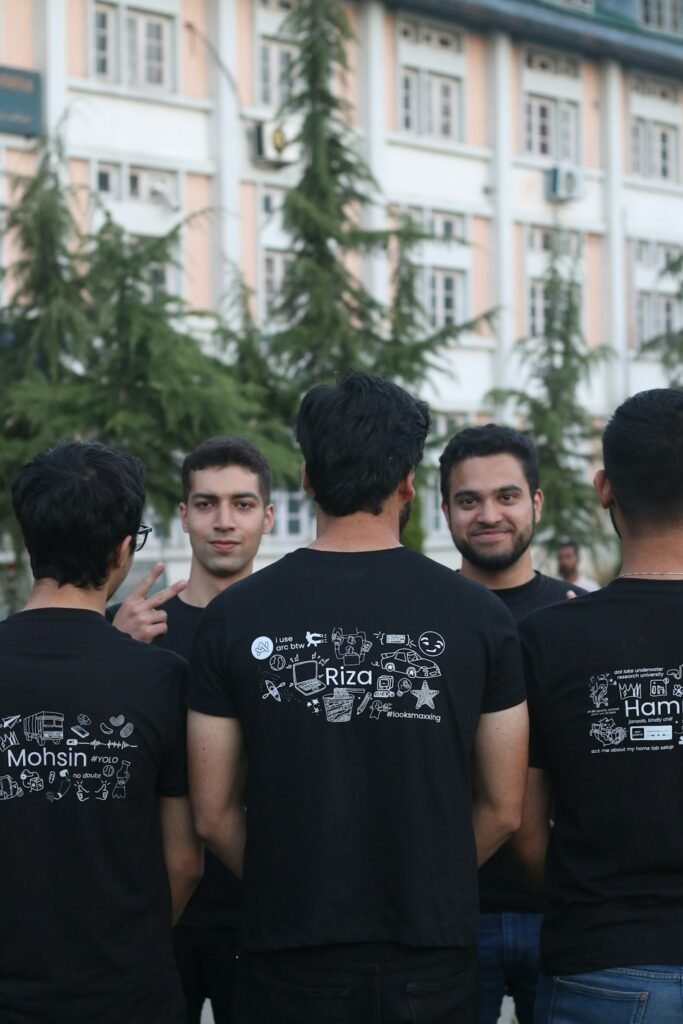
Quick answer: Bulk gym T-shirts should be selected by use, not just price. Choose a training-friendly fabric for coaches, clear and durable branding for staff, comfortable fits for members and a written size-wise purchase plan. Get a sample approved before printing the full batch.
Whether you run a boutique studio, strength gym, yoga and functional training centre or a multi-branch fitness business, custom gym apparel is easier to buy when staff uniforms and member merchandise are planned separately. This practical Namakool guide explains fabrics, styles, logos, quotations and ordering steps for buyers in India.
On this page: fabric comparisons, print options, gym T-shirt sizing, merchandise planning, cost drivers, geographic ordering considerations and six buyer FAQs.
| Purpose | Possible starting garment | Main check |
|---|---|---|
| Gym trainers | Performance or lightweight tee | Comfort and wash testing |
| Reception team | Branded polo | Consistent appearance and logo |
| Members | Cotton or relaxed-fit tee | Wearability and sizing |
| Fitness challenge | Event tee with approved artwork | Order cut-off and delivery |
Why gyms and fitness studios order custom T-shirts in bulk
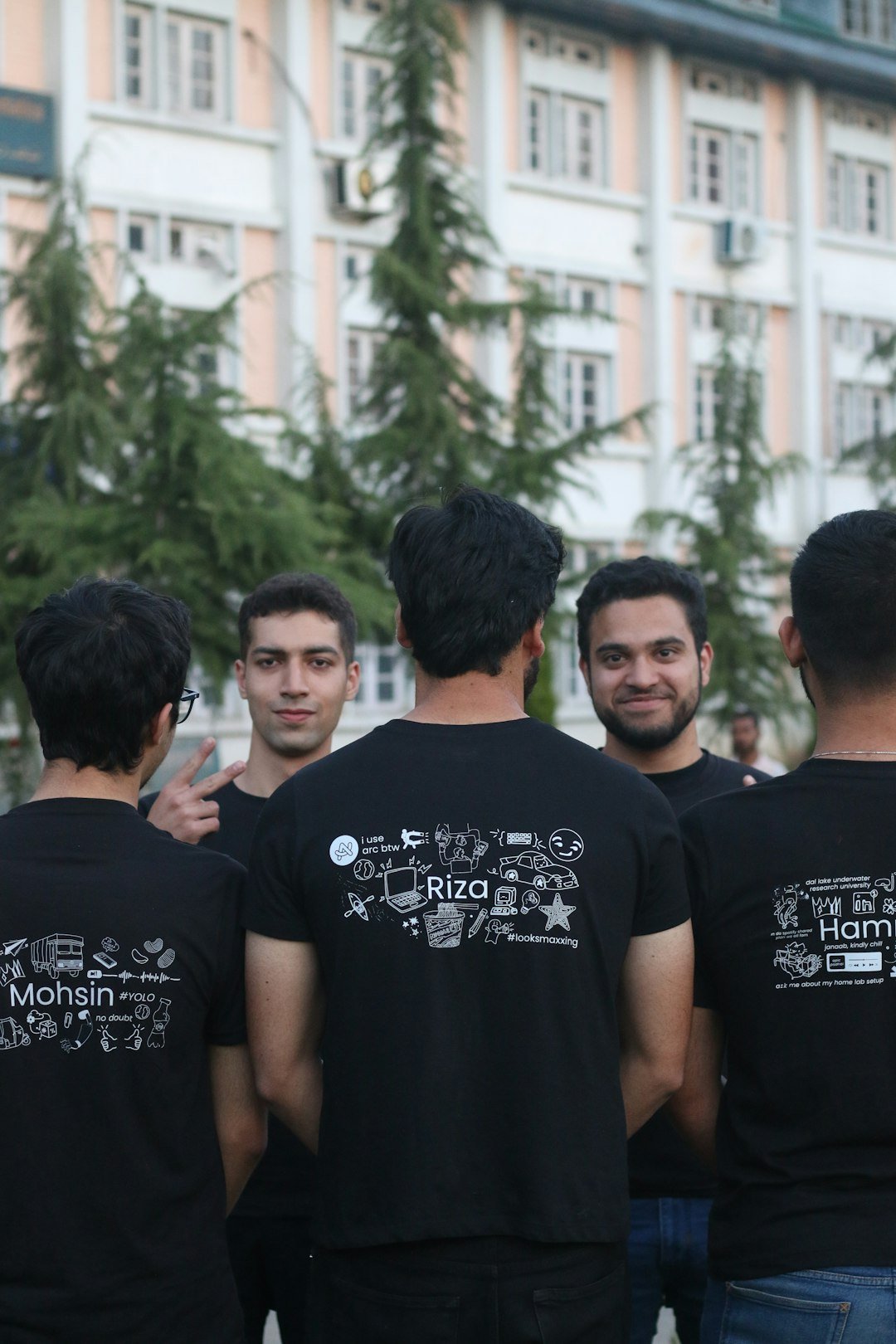
An independent gym needs a recognisable appearance without looking like every other fitness centre. Bulk gym T-shirts can serve several separate jobs: a trainer uniform that makes staff easy to identify, a front-desk polo for reception, a reward for joining a transformation challenge, merchandise for loyal members and coordinated apparel for launch events. These groups have different expectations. A trainer may value easy movement and frequent washing; a new member may care more about everyday comfort and the appearance of the logo. Treating both as one order can create avoidable returns and unused stock.
Start with a purpose list rather than choosing a shirt from a photograph. Write down who receives each item, whether they will train in it or wear it casually, where the branding must appear and what the budget covers. A fitness chain can use the same logo while choosing different garments for instructors, reception staff and promotional campaigns. That creates a consistent identity without assuming that one fabric or fit is right for everyone.
For example, a studio opening a second location might buy durable staff polos for reception, breathable training tees for coaches and limited-quantity cotton round-neck shirts for introductory memberships. Ask for separate quotes for each use; the cheapest garment is not always the least expensive over repeated washing.
Dry-fit polyester versus cotton: match fabric to the workout

Polyester-based performance fabrics are commonly chosen for high-sweat activity because many constructions dry more quickly than ordinary cotton jersey. However, the phrase “dry fit” is not a guaranteed specification: two performance knits can feel different, and finishing treatments, structure and garment weight matter. A trainer who leads several classes may prioritise drying speed and lightweight construction. For a lifestyle shirt given with a membership, cotton can feel familiar and comfortable for everyday wear. Cotton blends may be a practical middle option, but the exact composition must be confirmed on the sample.
Ask suppliers for a fabric composition, approximate GSM, knit type, size chart and care instructions. GSM describes fabric weight per square metre; it does not by itself establish breathability, durability or overall quality. Compare the same size and intended use across samples rather than looking only at a number. Inspect fabric in bright light, stretch it in the direction it will move during training and check whether the print feels heavy or restrictive.
When screening garments, test a small sample under the conditions members will actually use. Wash and dry it according to the care label, then look for shrinkage, visible twisting, neckline distortion and print cracking. Request a documented size tolerance rather than assuming every size is identical across manufacturing runs. A controlled wear test by a trainer offers more useful feedback than an attractive mockup alone.
Choose the right gym T-shirt fit for trainers and members
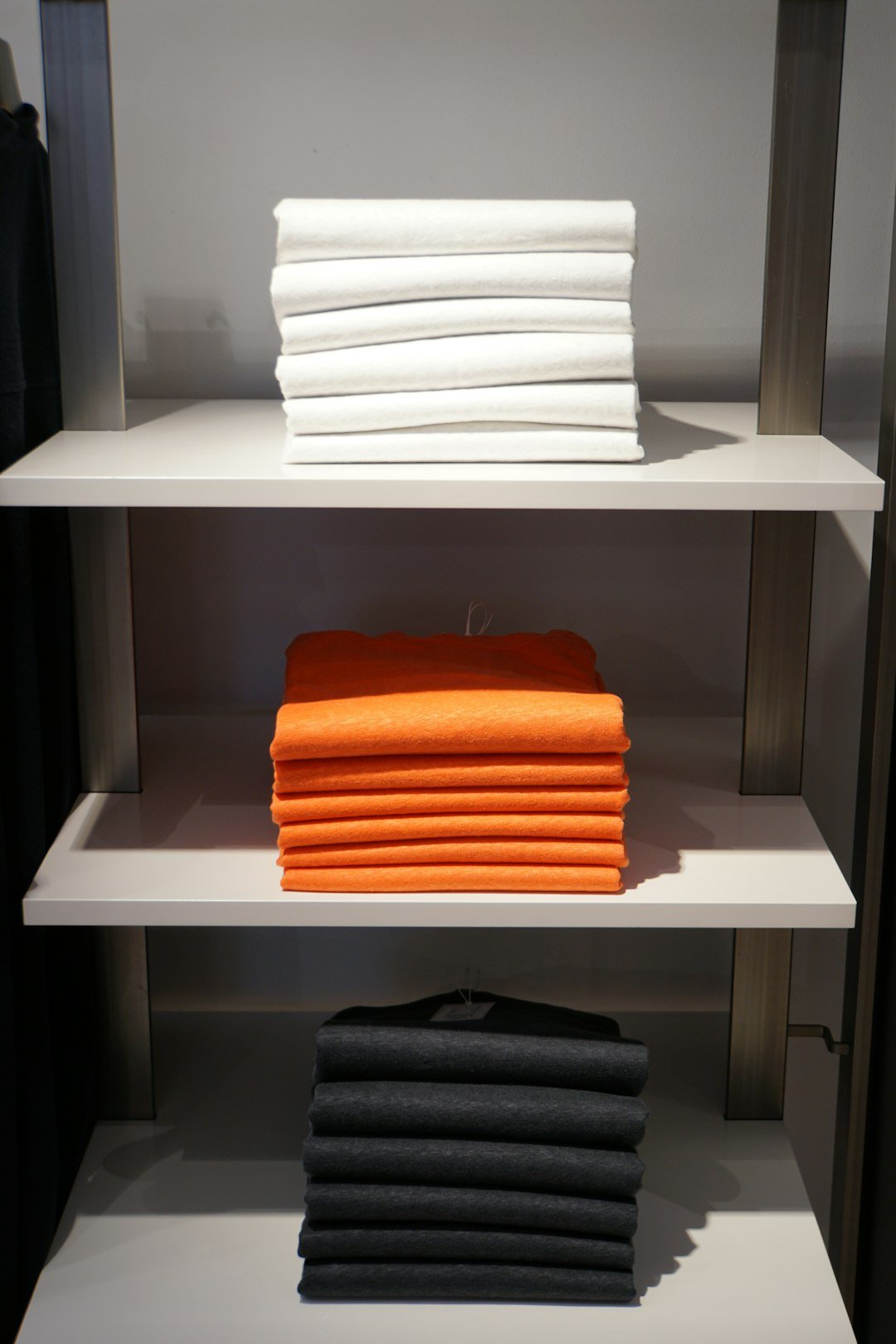
Bulk gym T-shirts are not one-size-fits-all even when an organisation orders in a single colour. Regular fit tends to be familiar for uniforms. Athletic or tapered styles may appeal to some trainers but can restrict comfort for others, especially in long classes. Relaxed and oversized styles can work for strength-training merchandise and streetwear-led gym brands, but the measurement chart must be different from that of a regular crew-neck. Women’s, unisex and extended sizes should be planned from actual measurements rather than assumptions about who will wear each cut.
Prepare a size collection form with a clearly stated measurement method. Explain whether dimensions are taken flat across the chest or around the body. Tell wearers whether the guide refers to a finished garment or body measurement; mixing those two creates a large portion of ordering mistakes. Order a size set in the intended fabric and let representatives try it before approving the full run. If a class has a mix of age groups and body types, leaving a small allowance for replacement stock may be cheaper than repeating a tiny urgent order.
Keep the approved fit name, fabric, size chart and sample photographs with the purchase record. A repeat order months later may otherwise use a shirt described as “medium” that measures differently. See Namakool’s bulk T-shirt size and fit guide for a structured way to request measurements.
Gym logo placement and custom printing options
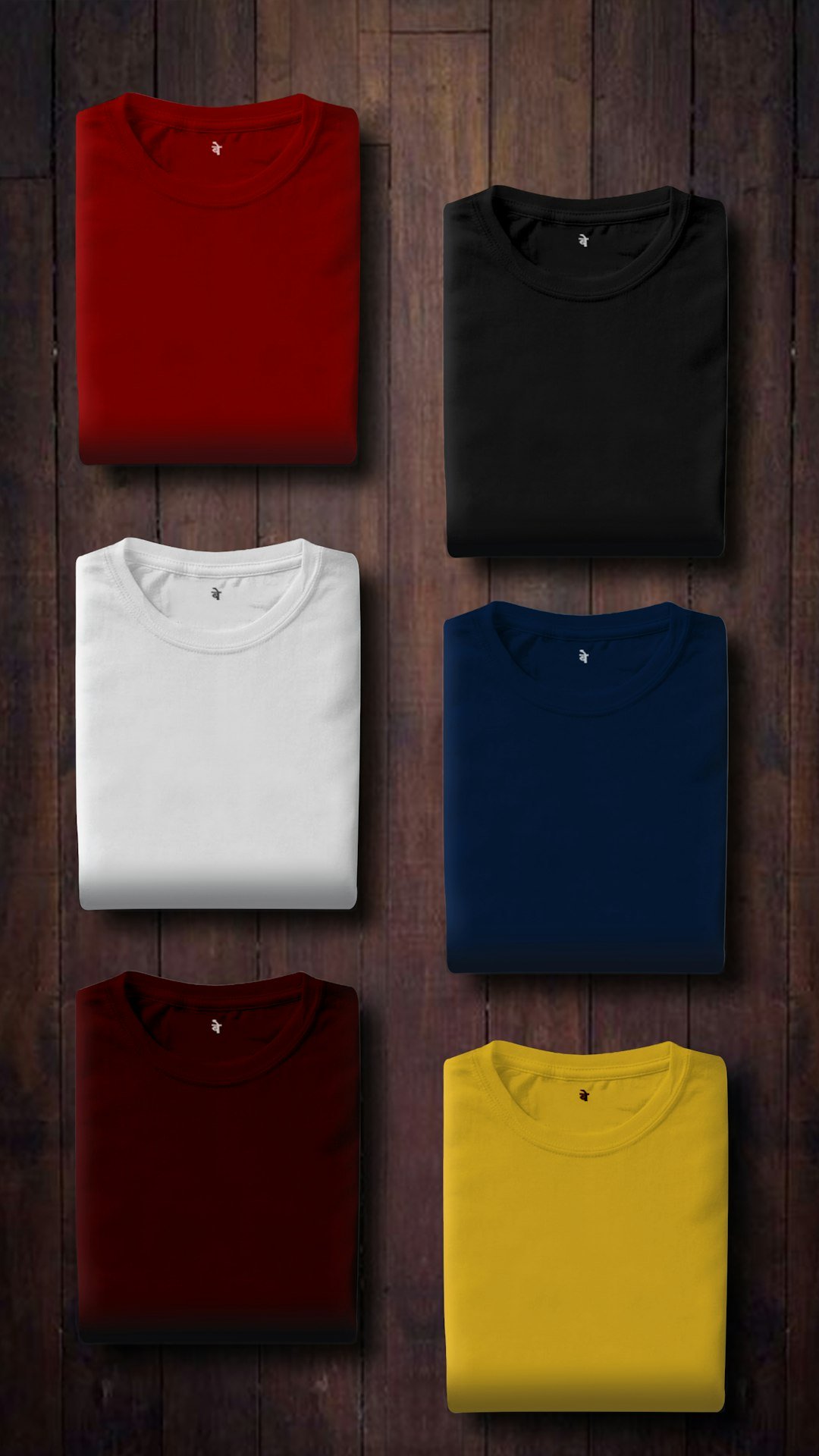
A gym logo must look recognisable in photographs and remain readable after frequent use. A small left-chest mark generally works well for instructors and reception. A large back print can help members identify coaches across the room, while a sleeve mark is useful for a challenge name or sponsor. For promotional merchandise, a design that a member would voluntarily wear outside the gym may be more valuable than a very large advertisement. Request a size-accurate visual mockup on the actual garment colour; a print that looks balanced on a computer screen can dominate a smaller size.
For print production, screen printing may make sense for repeated artwork in larger runs; DTF can handle different designs and full-colour artwork; embroidery is often considered for polos and subtle identity marks. A method should not be selected only because it sounds premium. Print finish, breathability, comfort against the skin, colour accuracy and wash care should be tested with the chosen fabric. Keep gradient artwork, fine lettering and small QR codes large enough for the proposed process.
Send the logo in a clean vector format when possible, with approved brand colours and a guide to acceptable placement. Decide whether the club is providing names on shirts, and if so keep those personalisations in a separate production list. See the bulk T-shirt printing methods guide for more detail.
Build a merchandise programme rather than a one-time giveaway

Fitness studios can approach custom apparel as a small programme: staff uniforms, member welcome merchandise, seasonal challenges and limited-run drops. Different designs should be tracked with distinct item codes, even if they share the same base T-shirt. This protects staff time when a member asks for the same graphic in another size or when the front desk needs to distribute items during a busy evening. If you plan to sell merchandise, agree on the commercial purpose before setting a retail price: a subsidised welcome gift is calculated differently from a product meant to earn a margin.
Avoid printing a large batch of a novelty slogan before testing whether members actually want it. A sign-up form, preorder window or small first run can expose demand by size and colour. Ask staff to note which sizes are most requested, which remain on shelves and which prints attract feedback. Keep one approved product photograph per variant to avoid accidental substitutions. Reorder based on actual take-up rather than guesswork or a single popular social-media post.
For multiple branches, use the same master artwork and add a controlled option for location names or year-specific challenges. Colour can identify activity groups, but check that the distinction is also visible in low light or to people with colour-vision differences. Consistency makes future production and enquiry handling easier.
Calculate bulk gym apparel costs and realistic timelines
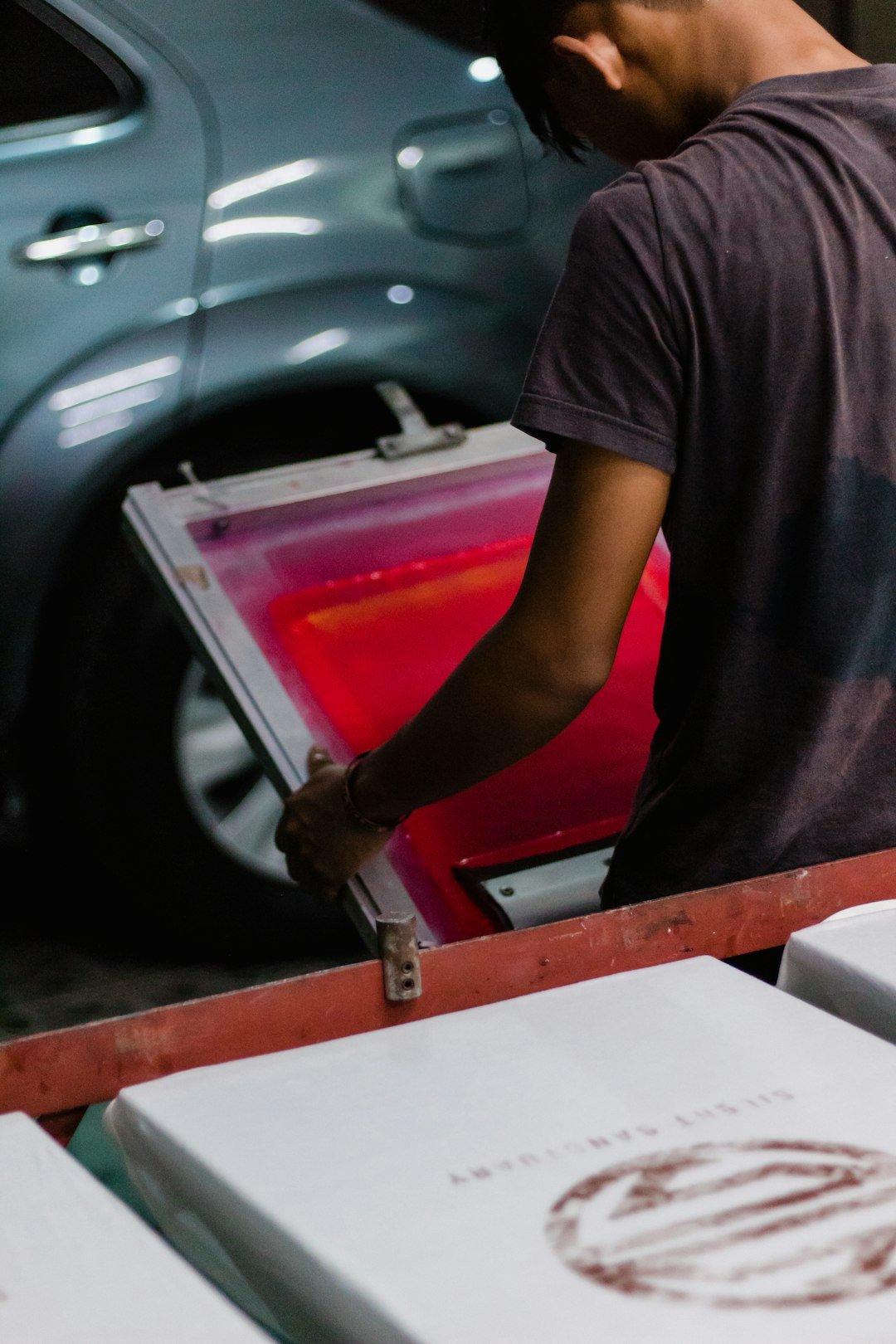
A fair gym T-shirt quotation should separate base garment, branding, individual names if any, sampling, packaging, tax and delivery. Garment price can change with fabric composition, GSM, size range and construction. Printing cost may change with colours, artwork area, placements and whether each shirt is personalised. Some jobs also incur sample development or artwork preparation charges. The lowest per-piece number is not automatically the lowest final order cost if the quote excludes printing or shipping.
Ask the vendor what quantity each quoted price covers and whether the order can combine sizes without changing the price tier. Confirm which colours and fabric variants can be mixed. A studio ordering 120 shirts in six sizes needs that flexibility spelled out. If you need a reorder later, check whether the original fabric, shade and print technique can be repeated and whether a new setup charge applies. Do not advertise a fixed delivery day before the printer has approved the final artwork and sample.
Work backward from your event. Allow time for sample confirmation, final names and sizes, production, inspection, transport and a buffer for corrections. Apparel for a launch-day event has a hard deadline; evergreen staff uniforms can often be ordered with a more comfortable schedule. Share the event date and postcode at the first enquiry so the supplier can explain feasible options instead of overpromising.
Fitness studio sourcing in Chandigarh, Mohali and across India

A local gym buyer in Chandigarh, Panchkula, Mohali, Zirakpur or Kharar may want to coordinate fabric options and branding on a short call. A multi-location fitness brand elsewhere in India may value the same documented process even when the conversation is entirely online. In both cases, supply the city and delivery PIN code, intended use, expected quantity and target delivery date. These details matter more for an actionable quote than simply typing “gym T-shirt price”.
A buyer should check who approves the artwork, who receives sample photos, what constitutes final approval and how the supplier will report a mismatch in sizes or design. Ask whether delivery is to one address or several branches. Split shipments need to be discussed before pricing. If the apparel will be sold to members, include stock presentation and individual packing requirements early in the discussion rather than adding them immediately before dispatch.
For basic apparel options, review Namakool’s plain cotton T-shirts in bulk and bulk polo T-shirts. These are starting points for an enquiry, not a promise that any particular material, colour or dispatch date is always in stock.
Gym bulk T-shirt enquiry checklist and quality control
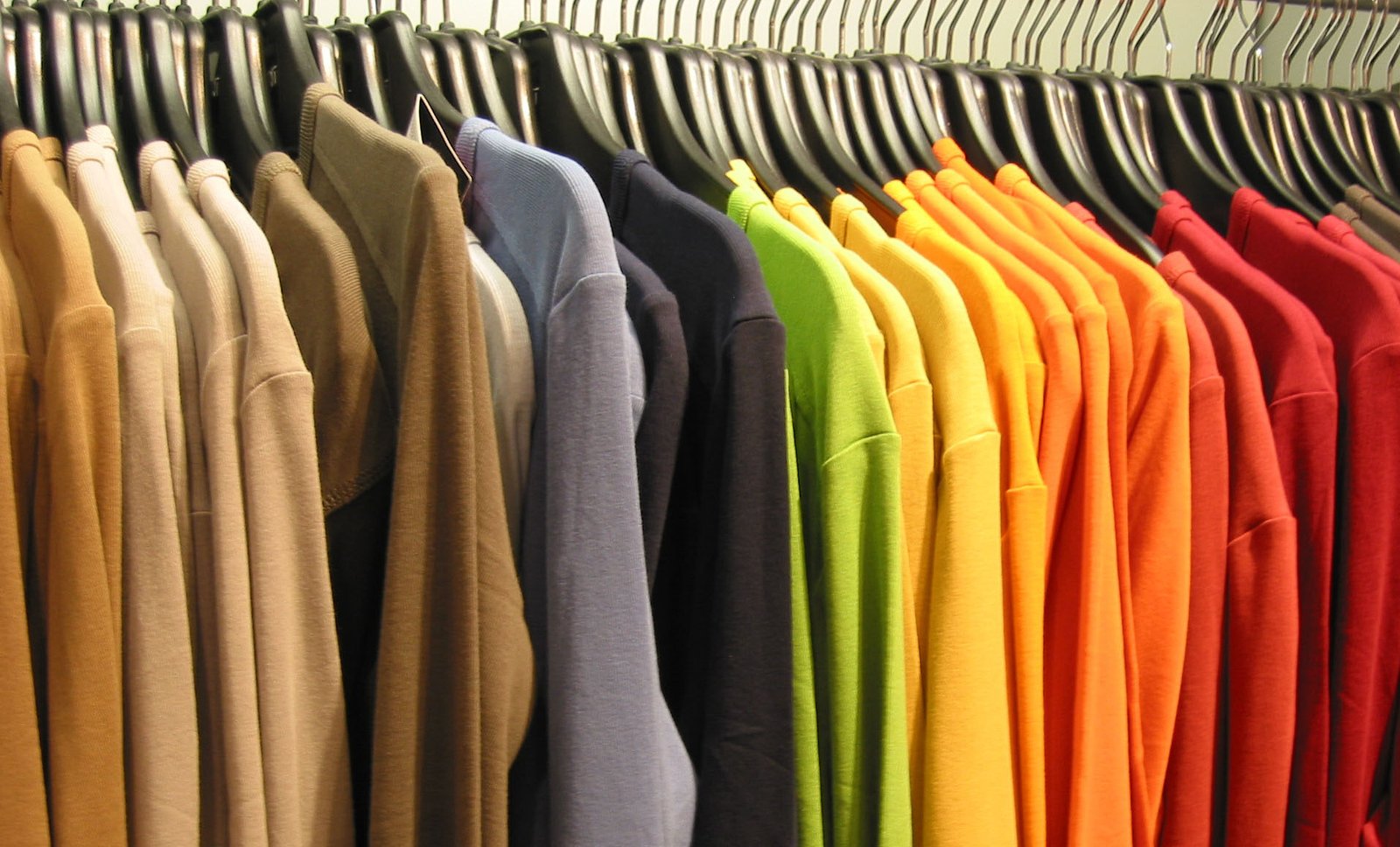
Before confirming a gym uniform order, prepare one buyer-approved document: final design, garment specifications, quantity by size, colour codes, logo dimensions, exact print placements, packaging, delivery address and milestone dates. Record who has authority to approve changes. People working on a gym opening are often juggling signage, instructors and membership campaigns; a single written approval sheet prevents apparel decisions from being lost across chat groups.
Ask to review the first approved sample for comfort, logo alignment and colour. Check the garment against the stated measurements. During final inspection, sample different sizes and colours rather than only opening the first carton. Count items and compare package labels with the purchase order. Keep the final artwork, spec sheet and invoice together so a replacement or next-season reorder can be handled without starting from zero.
Where technical or legal compliance claims are being considered, request actual documents rather than relying on advertising terms. Public guidance from the Bureau of Indian Standards can help buyers understand why standards and verifiable specifications matter, but a link to a standards body does not certify a particular garment.
Practical gym merchandise brief: a worked ordering example

Imagine a studio preparing two separate uses of its brand: uniforms for a coaching team and shirts included in a new-member programme. It may have an estimated 24 staff garments and 180 member shirts, but those quantities are illustrations, not a Namakool minimum order or supplier price tier. The coaching garments should be selected after movement and laundering trials, whereas the member shirts should be chosen after surveying preferred sizes and whether people would wear them outside the gym. If the owner merges these two needs into one vague 204-piece request, the resulting quote may not make either group happy.
Create two specification lines. For the trainer line, list garment type, fibre composition, approximate weight, colour, size matrix, front logo dimensions and any back identifier. For the member line, list the intended fit, whether the design changes by membership plan, packaging and distribution method. Assign a short code to each, such as TRAINER-POLO-A and MEMBER-TEE-B, so that staff can identify the order months later. The codes are internal references, not promises of a supplier’s catalogue. Record which sample corresponds to each code.
A useful sizing exercise begins with a real garment sample rather than self-reported S, M or L. Ask representatives to try on the exact cut while performing normal actions: lifting arms, reaching forward, stretching and sitting. Record garment-size preferences, not unnecessary personal measurements. Confirm whether the supplier can combine all sizes within one price tier; never assume that an order with many XXL garments will be priced identically to an order with a single size. Include a decision date after which size changes require a new approval, because last-minute additions are easy to overlook.
For club merchandise, distinguish sell-through from giveaways. If a T-shirt is supplied as a welcome gift, the right measurement is whether it supports the intended member experience at an affordable total landed cost. If it is sold, include the actual purchase price, branding, packaging, payment fees, taxes and a reasonable provision for unsold sizes before estimating a retail margin. Do not advertise a fixed profit percentage merely from a catalogue garment price. Test a few samples and discuss demand with real members before committing to a large design drop.
Run a final approval check with three people if the business has them: a trainer for wearing comfort, a brand owner for artwork and a buyer for quantities and terms. Check the front and back proof, seam and neckline quality, washing label, print position and agreed carton count. Photograph the approved sample against a neutral background, and attach those images to the purchase order. This becomes the agreed reference if an employee reports a different shade, an incorrect logo or an unexpected fit during delivery.
Finally, divide the rollout into milestones. Allow a window to obtain a quote, inspect the fabric, approve the print, confirm sizes, produce and ship, then distribute before a membership campaign or launch. Actual timelines should be confirmed with the supplier after artwork approval. If there is more than one gym location, indicate quantities by branch, provide complete PIN codes and label cartons accordingly. A written rollout plan can be reused for the next challenge, seasonal collection or trainer onboarding cycle without recreating the decisions from scratch.
Frequently asked questions about bulk gym T-shirts

What is the best fabric for gym T-shirts in bulk?
It depends on use. Many training teams consider quick-drying polyester constructions, while cotton can suit casual membership merchandise. Compare samples for comfort, fit, care and print compatibility.
Can a gym order different sizes and colours together?
Often this is possible, but the permitted mix, pricing tier and availability must be confirmed in the written quotation.
Is embroidery better than printing for fitness studio shirts?
Embroidery is often suitable for small polo logos; printing is common for larger or more colourful artwork. The fabric and the wearer’s activity should guide the decision.
What details should I send for a gym T-shirt quote?
Share quantity, sizes, fabric preference, print locations, artwork, delivery PIN code and required date. Say whether the shirts are for trainers, reception or members.
Does Namakool guarantee a minimum order or delivery date?
Ask for the current minimum quantity and delivery commitment in a written quotation. They depend on the garment, customisation and order schedule.
Where can I enquire about custom gym apparel?
Use the Namakool contact page or WhatsApp with your design and a size-wise requirement list.
Request a custom gym T-shirt quotation from Namakool
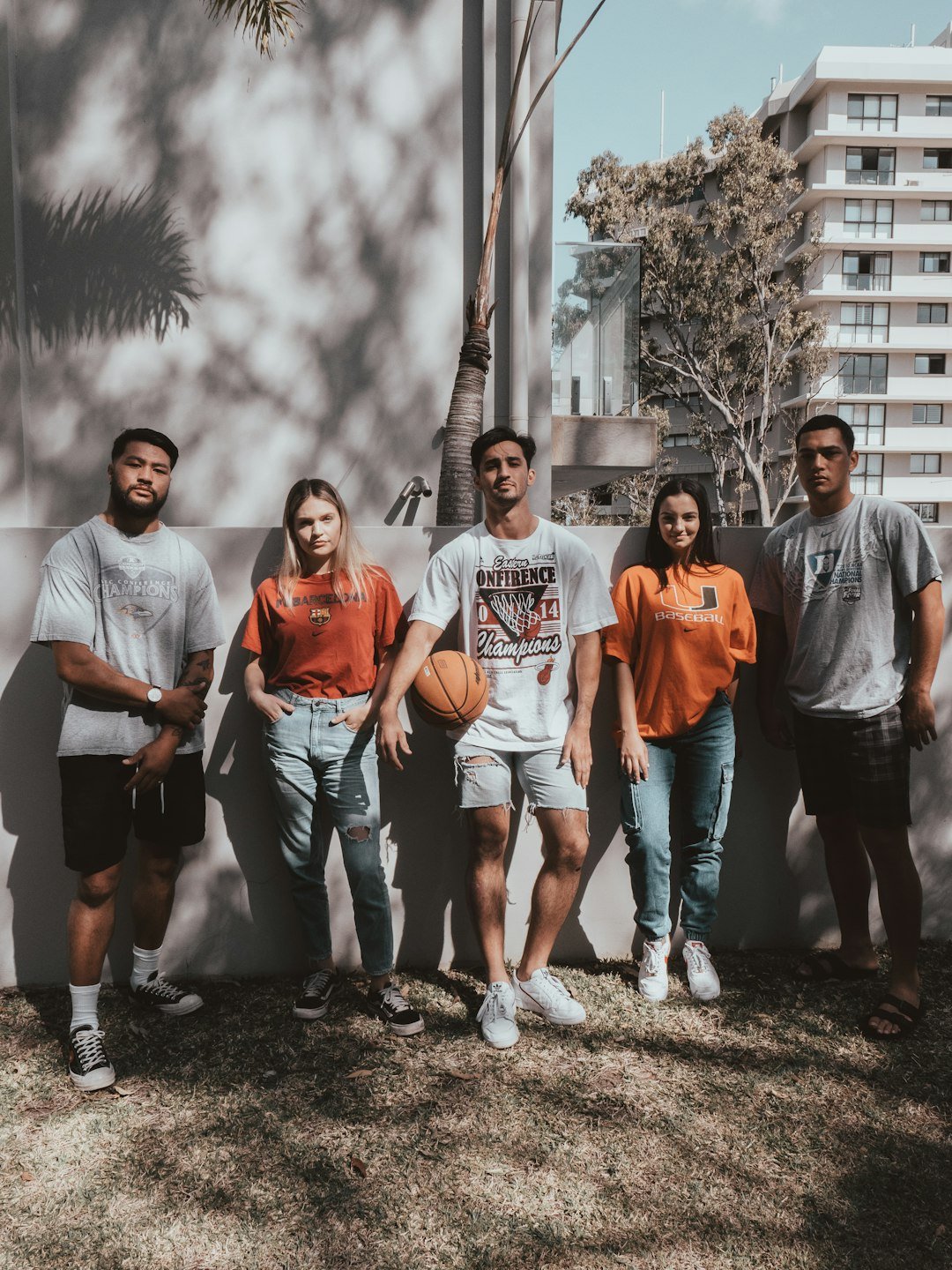
Ready to plan your next batch? Send Namakool your gym name, quantity, garment preference, logo artwork, size breakdown, delivery PIN code and target date. Ask for written confirmation of material, sampling, customisation, pricing, tax and shipment terms. Comparing two clearly specified options is often more useful than asking for one unexplained lowest price.
Contact: Namakool bulk order enquiry or WhatsApp +91 72900 08585. Explore custom T-shirt printing in bulk for additional branding options.
Information is an ordering guide; garment composition, availability, price, minimum quantity and shipping commitments require a confirmed quote.