
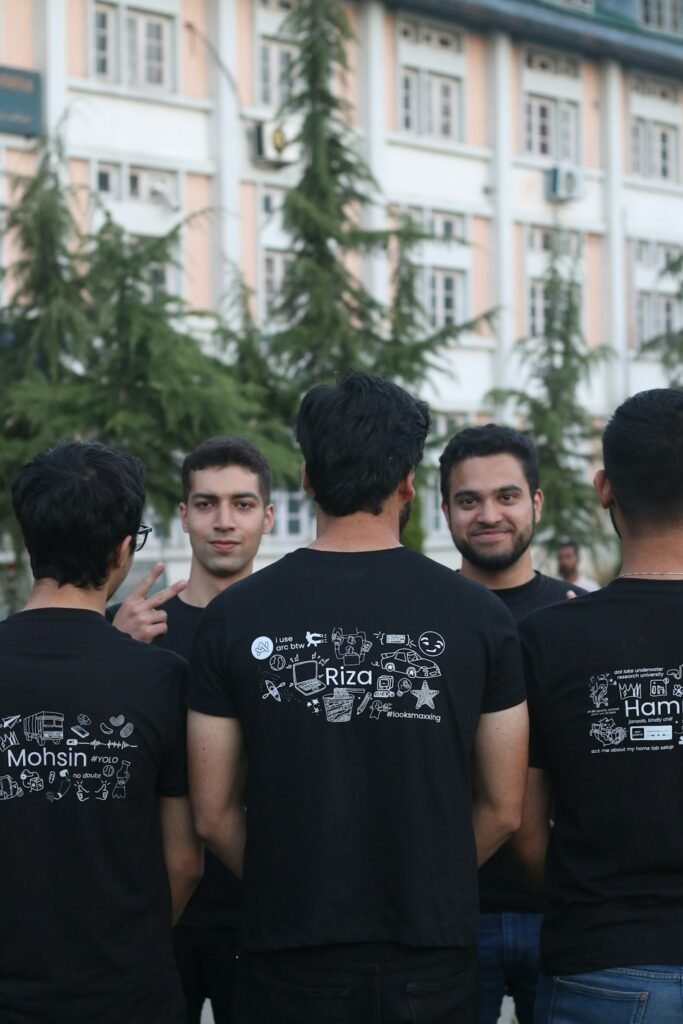
NGO volunteer T-shirts help organisations present a consistent identity, but a good bulk order begins with actual wearer needs, not a logo pasted onto the cheapest available shirt. This practical Indian buyer’s guide explains what to select, which details to approve, and how to reduce avoidable surprises when buying NGO volunteer T-shirts.
The intended buyers include nonprofits, foundations, volunteer coordinators, social enterprises and fundraising organisers. Their day-to-day requirements are not identical: the garments may be used for a weekend neighbourhood clean-up, a donation-collection drive, a school partnership campaign, and a volunteer induction programme across several sites. Before requesting an exact quotation, make a list of who will wear the garments, when they are needed, which artwork is approved, and how many units are required in each fit. That brief is more useful than a vague message asking only for a per-piece rate.
Quick answer: To order NGO volunteer t-shirts in bulk, start with an approved design, confirmed quantity and size chart, a fabric and decoration sample, and a written delivery specification. Compare total costs rather than only base garment prices. Request a customised Namakool bulk-order quote once these essentials are ready. This article is a purchasing guide, not a guarantee of particular stock, pricing or turnaround.
Why NGO volunteer T-shirts require a specific purchasing plan
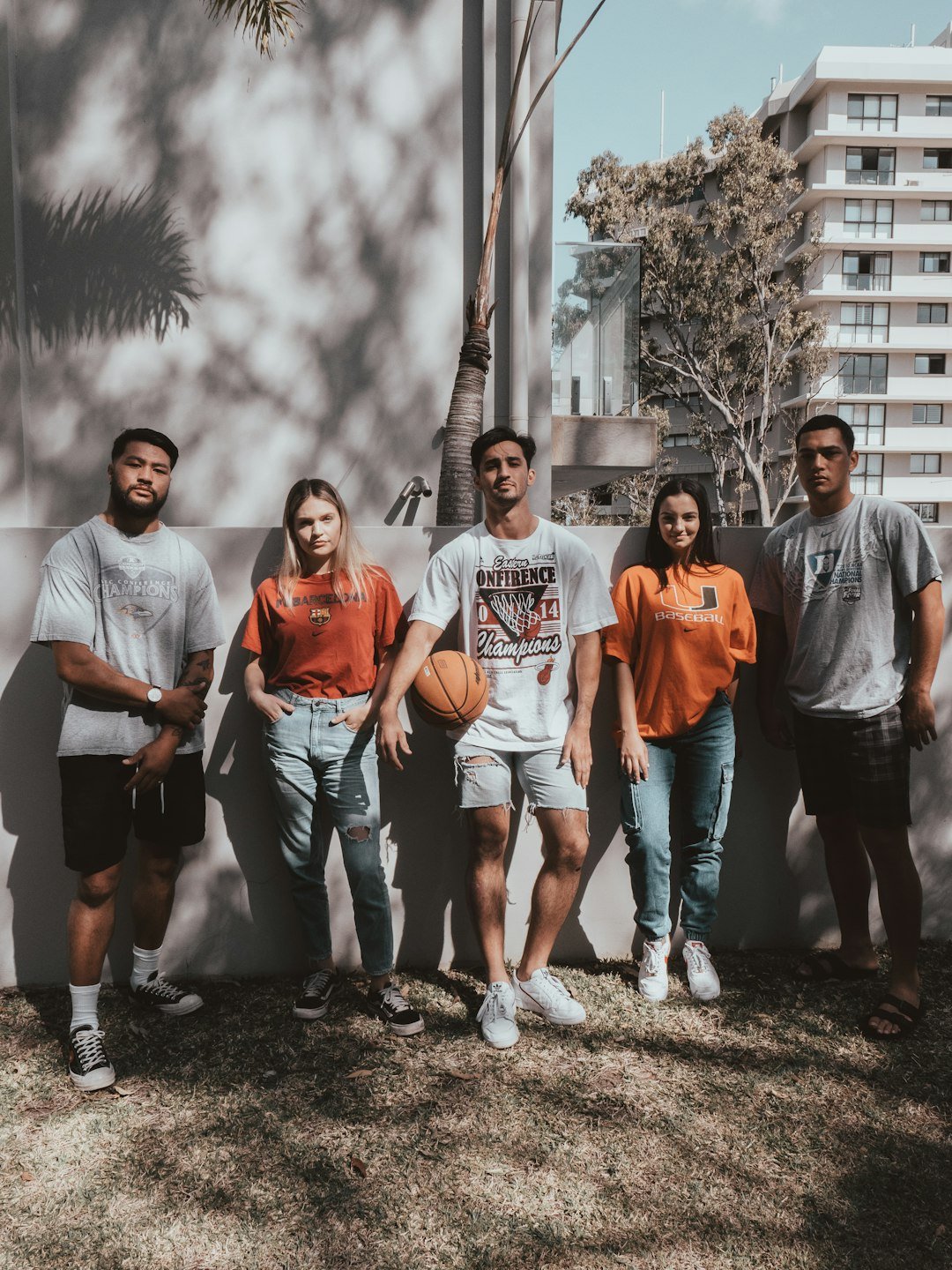
Clear identification, inclusive sizing, respectful campaign messaging and a sensible budget that preserves funds for the mission. Verify campaign wording, sponsor approvals, spelling, event date and QR-code destination before final sign-off. Show the physical sample to organisers from different locations and check the design outdoors where the campaign takes place. Confirm the fit after a quick movement test and follow the garment’s care label for a sample wash. Approve the final front, back and sleeve print positions separately; a misplaced phone number or incorrect sponsor logo can make an entire batch unusable.
The key participants are field volunteers, registration helpers, donation desk staff, organisers and community outreach teams. Their responsibilities determine whether one garment specification will work for everybody. For example, a weekend neighbourhood clean-up, a donation-collection drive, a school partnership campaign, and a volunteer induction programme across several sites. Map each task to its garment requirements instead of starting with a single catalogue image. An organiser should sign off the actual brief, not just approve a design that looks good on a screen.
Make a first-pass purchasing sheet with these columns: wearer group, planned quantity, garment type, colour, size range, branding position, intended use, need-by date and receiving location. A separate line for each subgroup makes mistakes visible early. If the project includes a public event, new-staff onboarding or seasonal use, distinguish the date by which the garment must be wearable from the earlier date on which production must be approved.
Best fabrics and garment construction for NGO volunteer t-shirts in bulk
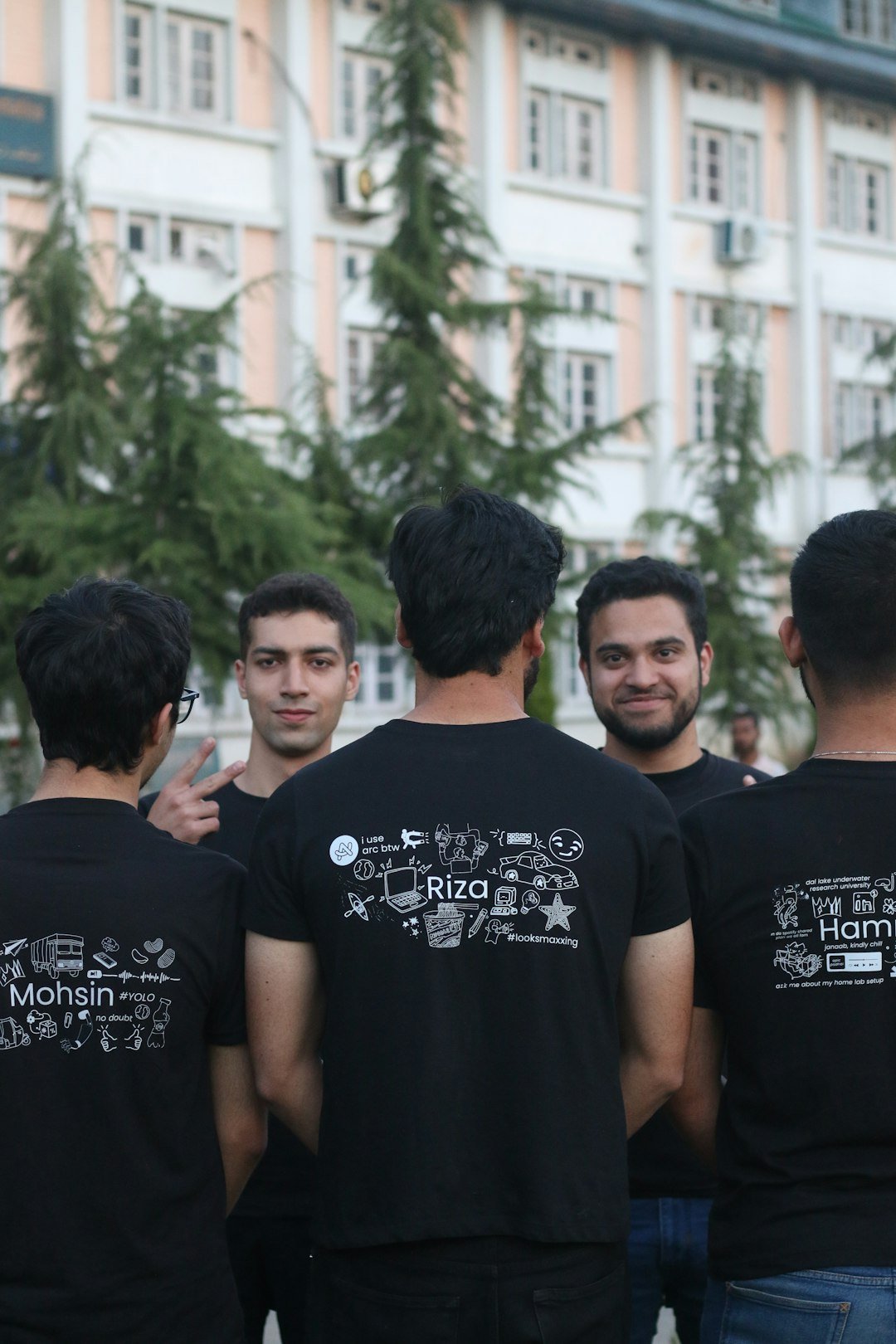
For outdoor daytime campaigns, prioritise comfortable fabric and fit appropriate to local weather. Cotton may appeal to volunteers seeking a soft natural feel, while carefully chosen blends may offer useful drying and wrinkle-care benefits. Request garment samples in your campaign colour and assess opacity, comfort and ease of washing. Bright colours can make teams easier to identify in a crowd but should not be treated as certified high-visibility safety wear. Discuss fabric sourcing claims carefully and request evidence for any certified or impact-related statement before printing it on campaign materials.
For any sizeable order, ask for a physical sample that matches the proposed bulk specification. Fabric feel, dye shade and opacity cannot be fully judged from catalogue photography. If you have a sustainability goal, ask the supplier for evidence behind a claim rather than using labels such as “eco-friendly” as a substitute for documentation. The Textile Exchange materials resources offer background on textile material choices; they do not independently verify a particular Namakool product.
Compare two or three realistic options under the same test: wearer comfort, seam integrity, neckline shape, laundering requirements and compatibility with the logo treatment. You can also consult our cotton, polyester and blend comparison before finalising the enquiry. Record the selected garment specification in writing so it is not quietly changed later.
Logo placement, colours and visual design
The main message should tell people who volunteers represent and how to participate, not overwhelm them with a paragraph. Put the NGO name or campaign mark on the front, and consider a short call to action or approved QR code on the back. Test the QR code at physical print size and under normal lighting. Obtain written consent to use partner and sponsor logos; do not let sponsor branding overpower the cause. Translate campaign text thoughtfully where the audience benefits, and check that any contact details will remain valid on the event date.
Prepare vector artwork where available, plus a high-resolution reference and the precise wording to print. State where the logo should sit, its approximate physical width in centimetres, the number of colours and the background fabric shade. A clear file name with a version number helps teams avoid printing an earlier campaign design. Never assume that a mockup on white fabric shows how a logo will look on black, maroon or navy.
Ask the person responsible for brand standards to approve both the front and the back, even when one side is intentionally blank. If a logo belongs to a partner, sponsor, artist or outside institution, ensure you have permission for its intended use. Test readability at ordinary viewing distance, not only on a zoomed-in artwork screen. For repeat orders, keep a signed sample photo and colour reference.
Printing, DTF and embroidery: selecting a suitable decoration method
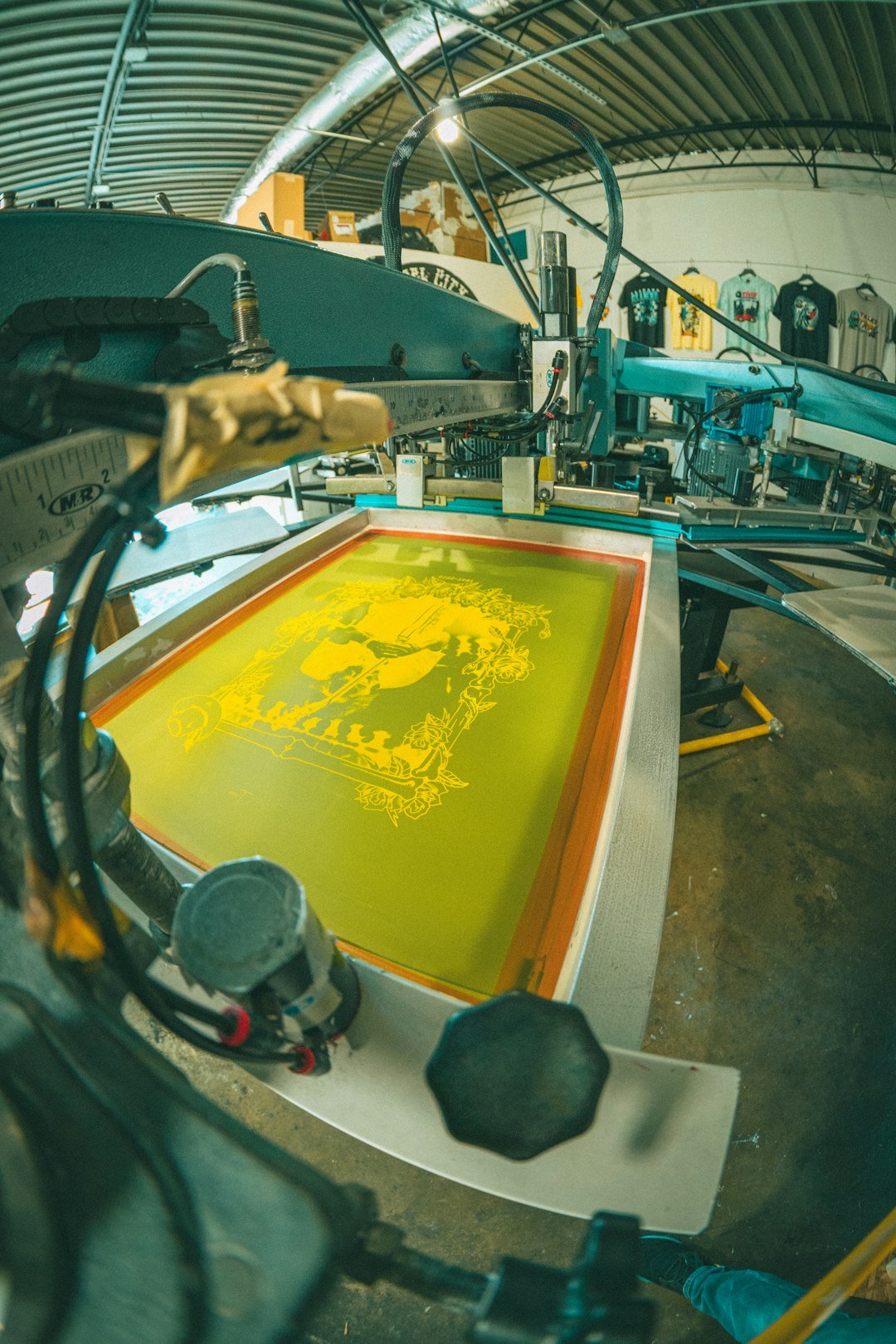
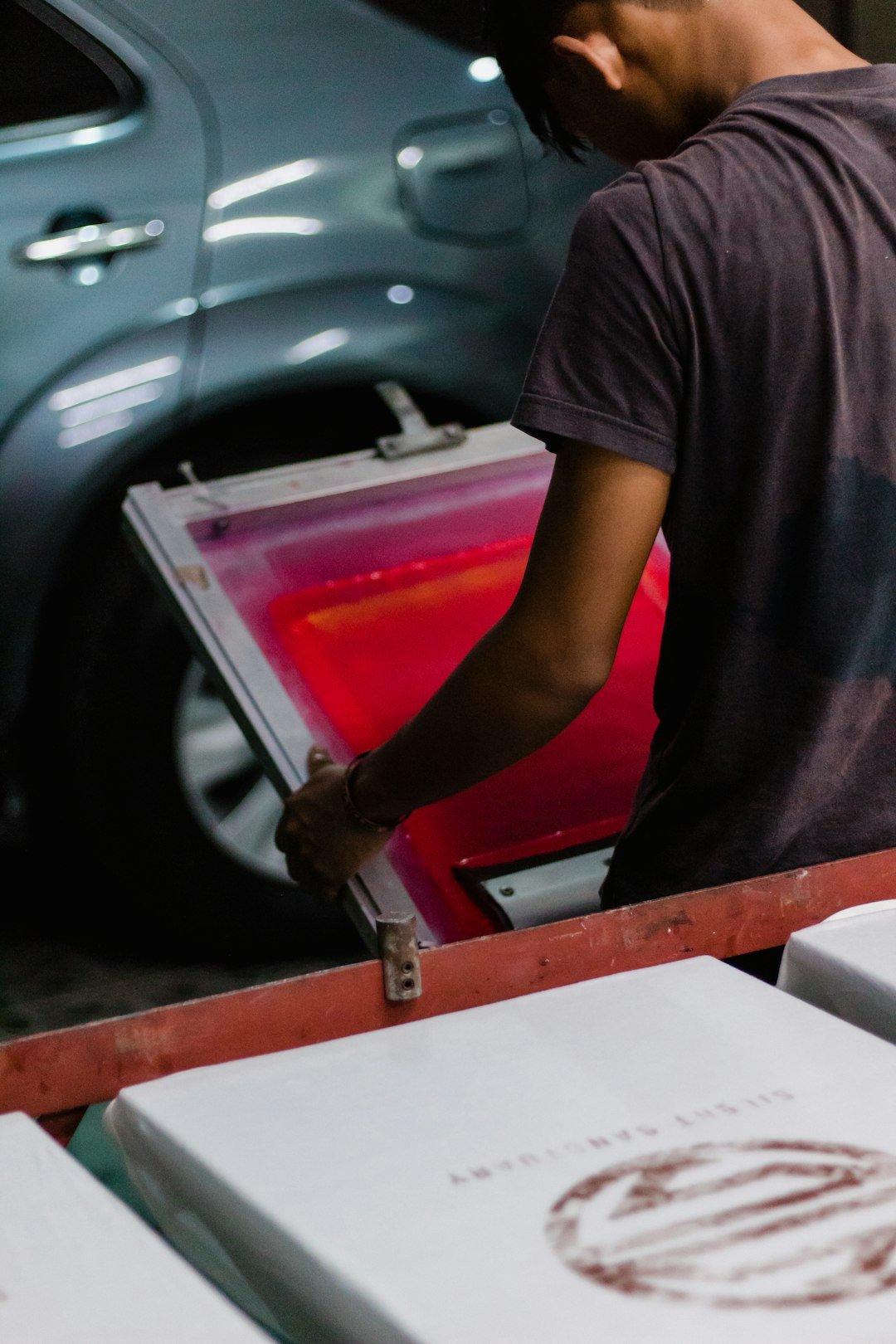
When the order repeats one simple artwork across many volunteers, ask whether screen printing suits the quantity and design. Detailed photographs or multiple colours may favour a different method after a sample assessment. Keep essential text large enough to read at a useful distance. If the campaign includes QR codes, insist on a physical proof and phone scan test; a clear computer mockup does not guarantee a usable printed code. Discuss print feel and durability if shirts will be reused for future drives.
Different decoration methods change hand-feel, appearance and costing. Detailed multicolour artwork, a small embroidered crest and a simple large-volume logo are not automatically best served by the same process. Discuss screen printing, DTF, DTG or embroidery in relation to the actual fabric, printed area, number of colours and order quantity. A supplier can explain what options are technically and commercially suitable, but request a finished proof before production.
Pay particular attention to how logos sit over seams and stretch areas. On garments used frequently, wash a decorated sample according to its label and inspect print edges, colour changes and comfort. A logo that looks crisp on delivery but feels irritating after a few hours may create poor staff or buyer experiences. Our custom T-shirt printing in bulk service page summarises the available enquiry options.
Size chart, fit trials and quantity distribution
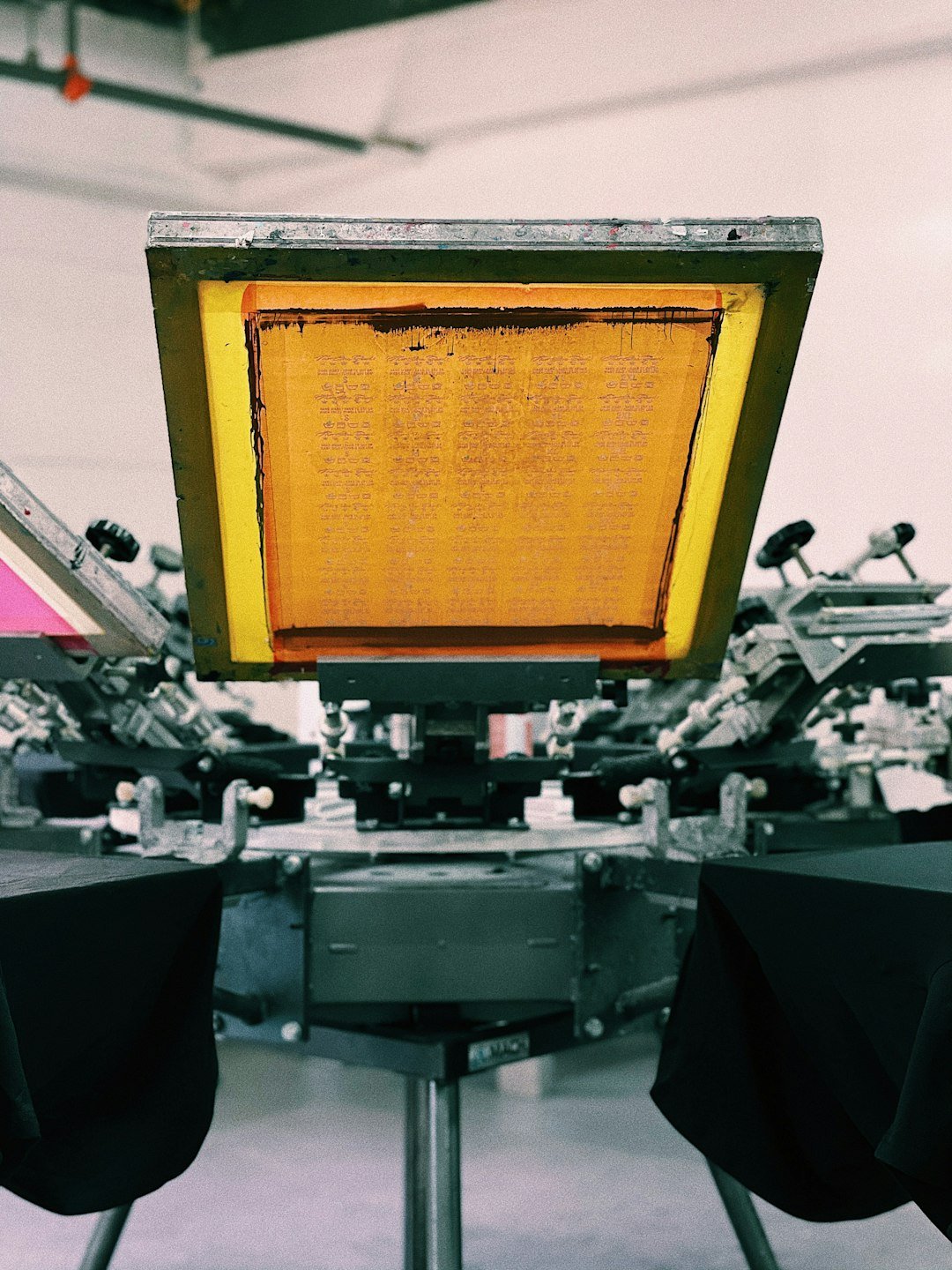
Volunteer groups often have a wider size range than an office uniform order and may include young adults or family volunteers. Never estimate quantities solely from a generic demographic assumption. Offer a non-judgmental online size collection form, list measurements plainly and provide a chart. Build the packing list around site coordinators and reserve a small, separately identified contingency if the budget allows. Avoid printing volunteer names on every shirt if assignments may change at short notice.
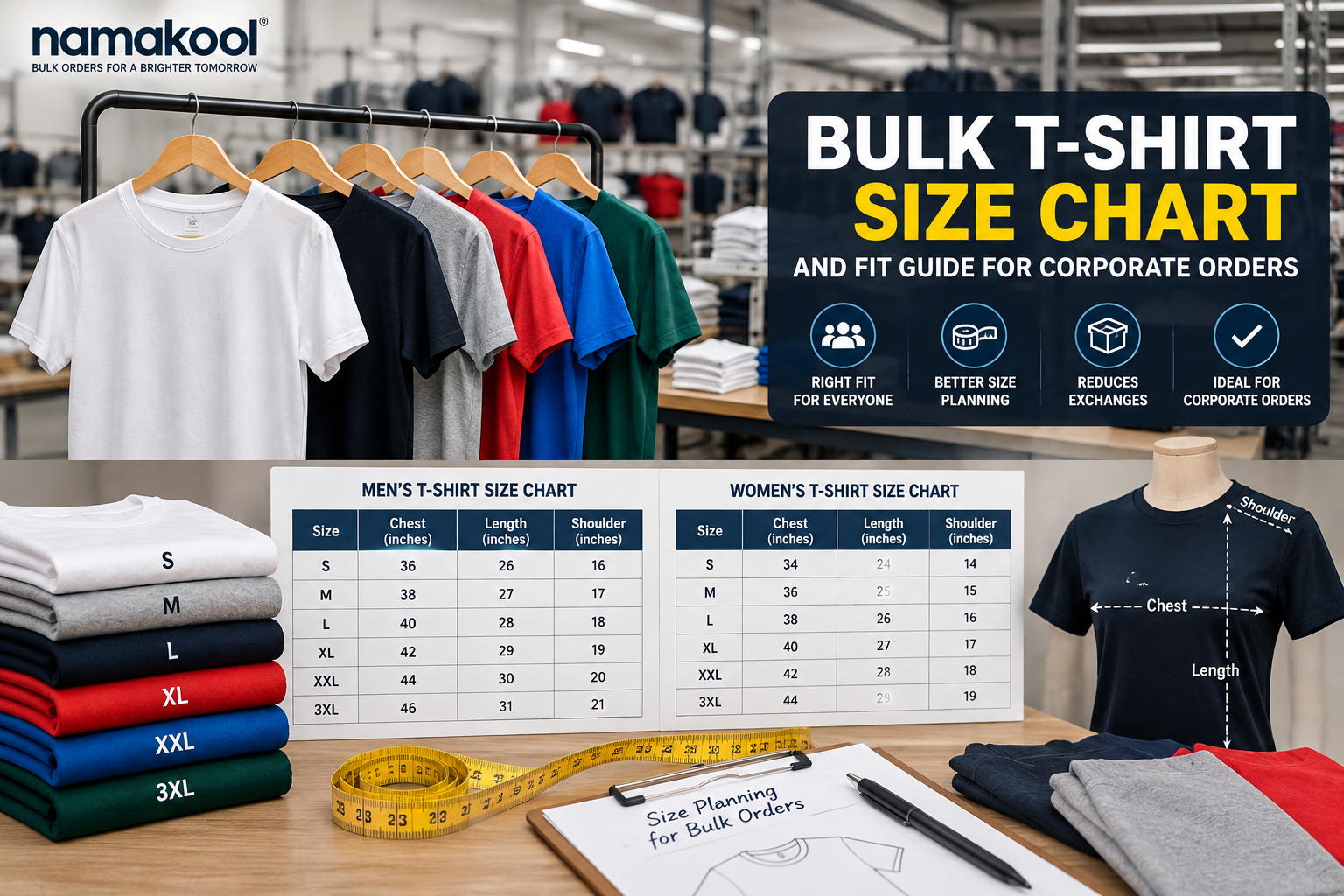
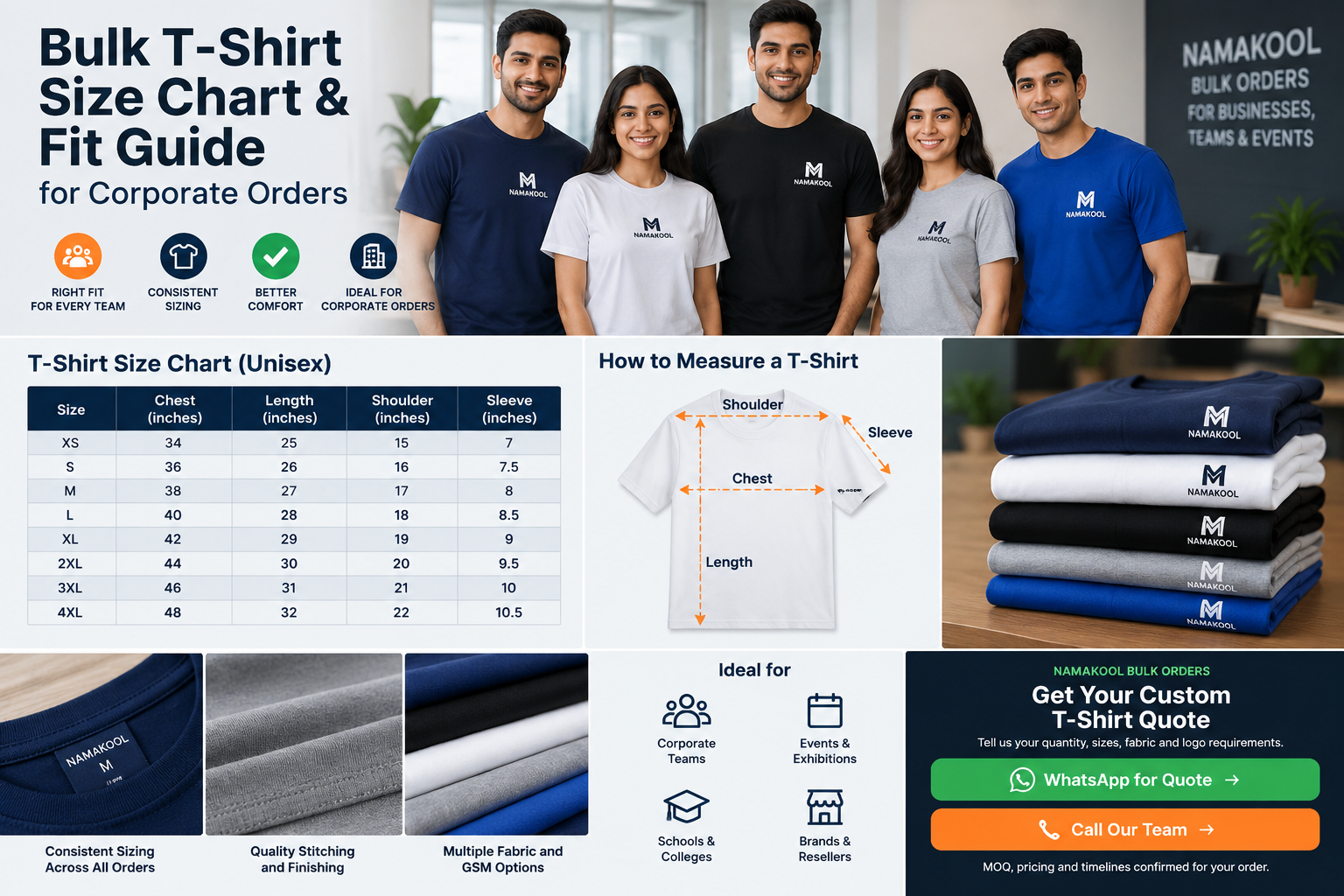
Start with garment measurements rather than abstract size names. Compare chest width, shoulder, length and sleeve across each offered cut. Use a measurement guide such as the Namakool bulk T-shirt size and fit guide, and confirm that the chart matches the particular product being ordered. Some employees or customers may choose a roomier fit; the coordinator should collect their preference without guessing from age or role.
Example planning matrix: Create rows for sizes XS, S, M, L, XL, XXL and any additional sizes actually available. Use columns for each branch, event site, team or design. Add a final row for agreed contingency stock, if any. Double-check that each column total matches the purchase order and that printed names, where requested, correspond to the correct size. A simple spreadsheet check catches many packing errors before dispatch.
Fit trials are especially useful if a garment will be layered, worn during repetitive movement or distributed to people who cannot exchange sizes on the day of an event. Agree in advance how an incorrect size, a garment defect and a late personal preference change will be handled; they are not the same issue.
What to approve before bulk production starts
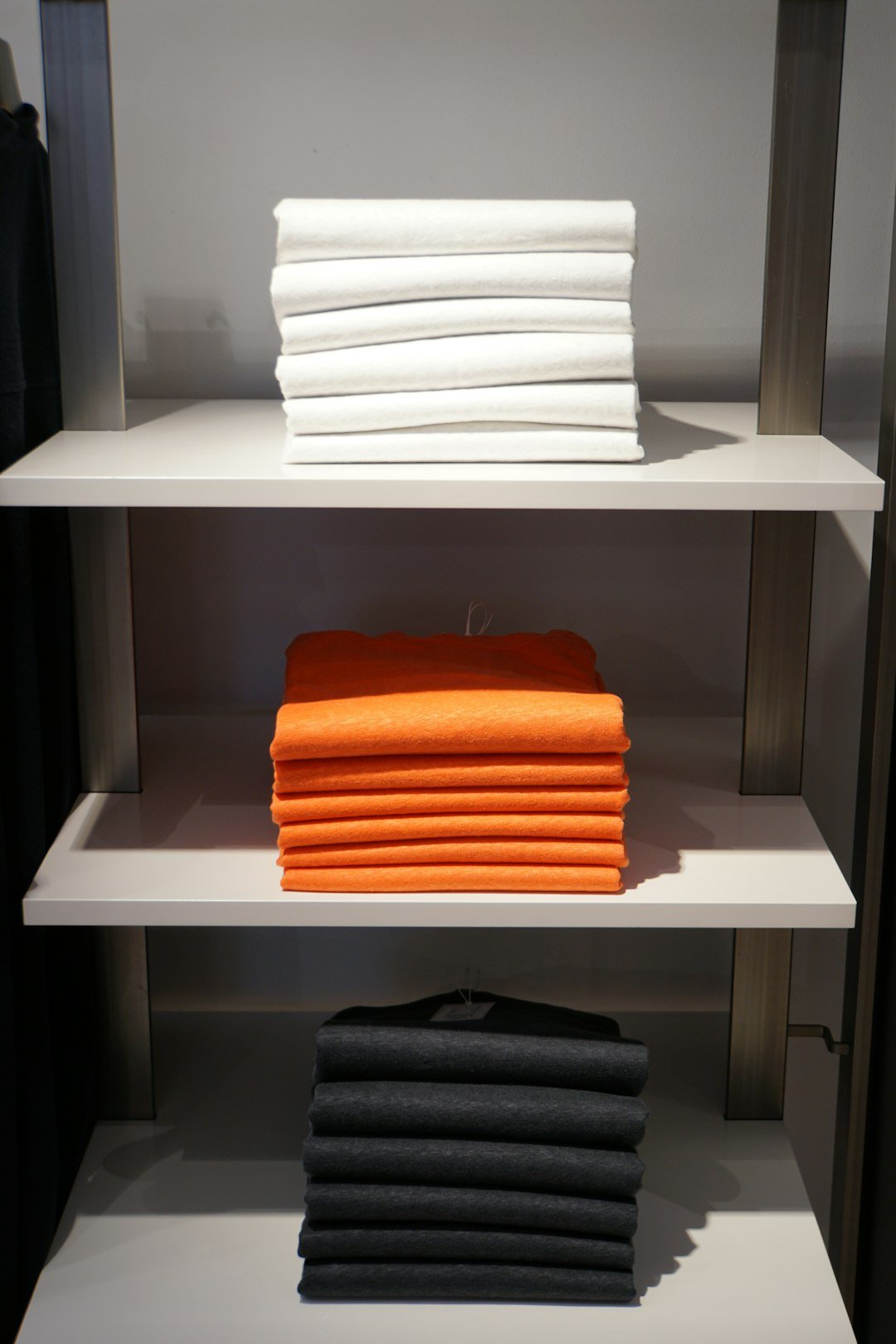
Verify campaign wording, sponsor approvals, spelling, event date and QR-code destination before final sign-off. Show the physical sample to organisers from different locations and check the design outdoors where the campaign takes place. Confirm the fit after a quick movement test and follow the garment’s care label for a sample wash. Approve the final front, back and sleeve print positions separately; a misplaced phone number or incorrect sponsor logo can make an entire batch unusable.
Use a written sample approval form rather than a casual chat message. The form should show the fabric composition, selected garment, colour, logo file version, physical logo placement, size reference, packing instructions and acceptance criteria. Ask to see photographs of both sides plus the actual decorated sample when practical. Any changes after approval should be recorded with the new price and schedule effect, if there is one.
A useful inspection separates garment quality from artwork quality. Review stitching, collar or hood construction, colour consistency and seams first; then assess logo accuracy, placement, alignment and durability. Try a small number of sample garments on representative wearers. If the final batch will be split across multiple sites, attach the site-wise packing matrix to this same approval record so a production team is not working from a different version.
How bulk pricing, minimum quantities and quotations work
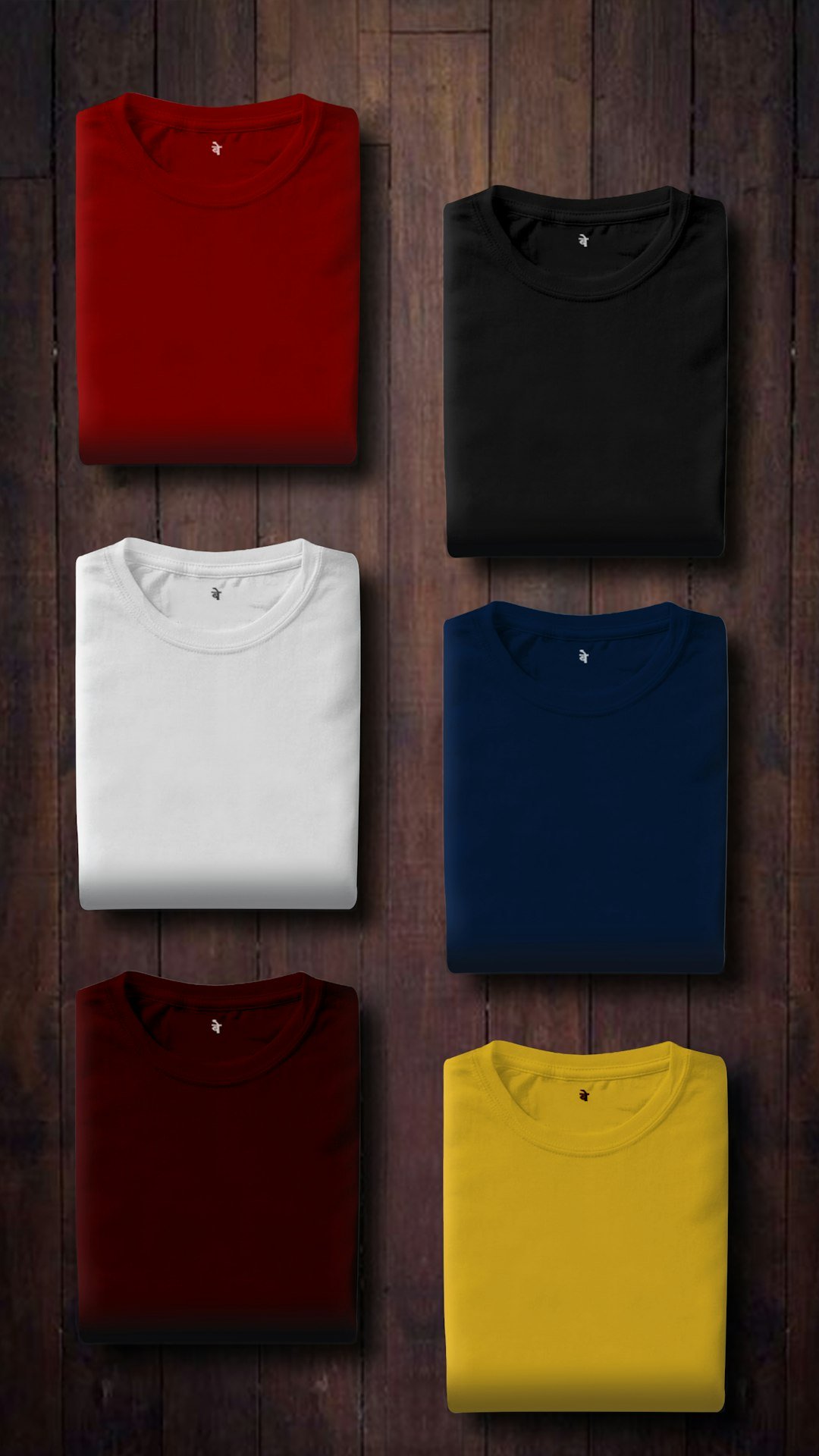
A nonprofit budget is easier to manage when decoration choices are deliberate. Ask for price comparisons for one colour versus multiple colours, a front-only print versus a back print, and standard packing versus named packs. Make sure the quotation identifies sample charges, taxes where applicable, delivery, possible artwork setup and reorders. Compare the total delivered cost rather than a headline price per T-shirt. Ask about any nonprofit accommodation without treating a discount as guaranteed.
A meaningful quotation is specification-based. It should identify the garment type, selected fabric and weight where relevant, colour, size breakdown, decoration process, design dimensions, number of print locations, packaging, shipment addresses and applicable taxes. Ask whether sampling, setup or divided packing adds separate charges. Unit prices can vary with quantity and complexity, so no responsible guide can promise one universal rate or minimum order quantity for every garment.
Compare at least two viable specifications on total delivered cost and expected wear, not solely on the lowest headline number. For a fuller overview, read Namakool’s bulk T-shirt manufacturing cost guide. If your order must stay within a strict budget, tell the supplier the budget and essential constraints so they can suggest trade-offs without silently removing important features. Insist that the final quote clearly states what is included and what is not.
A sensible production calendar and delivery plan
Start with the fixed campaign date, then work backward to artwork approvals, sign-up closure, size tally, production, packing and delivery. Leave a buffer for volunteer list changes and event logistics. If the programme runs in several districts, assign one coordinator to own the master order. Avoid editing logos or sponsor names after final approval; even small changes can require new proofs and alter the production schedule. Confirm delivery milestones in writing.
Write down the steps in this order: brief approved → artwork checked → size totals locked → fabric/garment and print sample reviewed → purchase order accepted → production → quality inspection → packing → dispatch → receiving check. The exact time at each stage depends on stock, quantity, decoration and delivery arrangements, so treat any preliminary timeline as indicative until a supplier confirms it in writing.
Assign one contact person on the buyer side and one receiving contact for each destination. Keep an alternative plan for late individual size submissions instead of allowing every team member to revise the master order. Where a launch, opening, festival or winter rollout is involved, aim for receipt before the critical date so there is time to count boxes and handle any discrepancy. A courier tracking number alone is not the same as a counted, accepted delivery.
Bulk clothing enquiries in Chandigarh, Mohali, Panchkula and across India
Community groups in Chandigarh, Panchkula, Mohali, Zirakpur and Kharar may have several pickup or distribution points. India-wide programmes should prepare a location-by-location box count, recipient contact and clear delivery instructions. Ask whether individual city dispatches are possible and how they are quoted, rather than assuming every shipment has identical transit conditions. Coordinated packing can reduce sorting work on event morning.
A city-specific order needs more than a location keyword. Include the exact recipient name, full delivery address, contact number for logistics, receiving hours and any building or venue restrictions. In the Chandigarh–Mohali–Panchkula region, suppliers and buyers may coordinate decisions quickly, but production location, shipping cost and delivery date still need explicit confirmation. For distant destinations in India, allow for branch-wise logistics and the possibility of separate freight terms.
Namakool buyers can begin with the bulk-order website and send their full specification through the contact and enquiry page. A tailored quote is more reliable than assuming that every garment, city and delivery combination is available at a fixed rate. Specify whether you need one consolidated shipment or segmented packs labelled by location.
Care instructions, repeat orders and long-term quality
If the NGO plans recurring drives, use a timeless design with a separate date-specific badge or insert instead of printing the year across every garment. Keep a reference sample, approved print file and colour description for later top-ups. Track unissued shirts and store clean garments properly. For donation-based events, maintain accurate records of purchases and sponsor approvals; clothing used for identification should support, not distract from, the organisation’s core work.
Give wearers the actual garment care guidance, not a generic internet instruction. Washing, drying and ironing needs depend on the fabric and decoration; the ISO 3758:2023 care labelling standard describes a system of textile care symbols but is not proof of a specific garment’s washing performance. If you need care labels or branded hangtags, confirm those elements during the sample stage.
Retain the approved sample, artwork files, size chart and supplier quote in a shared order folder. When the next team member joins or the next campaign begins, the buyer can reorder from a controlled specification rather than starting over. Also keep notes on the actual wear experience: how often the garments were used, which sizes were difficult to fit, and whether people liked the fabric. Practical feedback makes the next purchase more accurate.
Avoid these common bulk-order mistakes
Avoid unapproved sponsor logos, tiny QR codes, oversized slogans, inaccurate environmental claims and underestimating uncommon sizes. A campaign shirt is a public-facing communication piece, so a factual error can matter more than a small printing defect. Also avoid planning distribution only by total quantities; a volunteer location without the right size mix will still be short on usable shirts. Get written approval from the NGO and make a clear handover list.
Also avoid sending low-resolution logos as the only art, relying on a verbal production date, skipping size charts, leaving the print position unspecified, and accepting a quote that does not explain shipping. It is safer to ask a direct question than discover an assumption after production. Never make unverified claims about certification, protective performance, recycled content or manufacturing origin on your finished garments.
Before final approval, ask five questions: Does the sample match what wearers need? Is every logo authorised and correctly spelt? Do size totals reconcile with location totals? Has the buyer approved a detailed written quote? Is the realistic receipt date confirmed? If any answer is uncertain, resolve it before authorising the full run. This discipline matters more than chasing a superficial SEO claim or an unrealistic bulk discount.
Frequently asked questions about NGO volunteer t-shirts in bulk
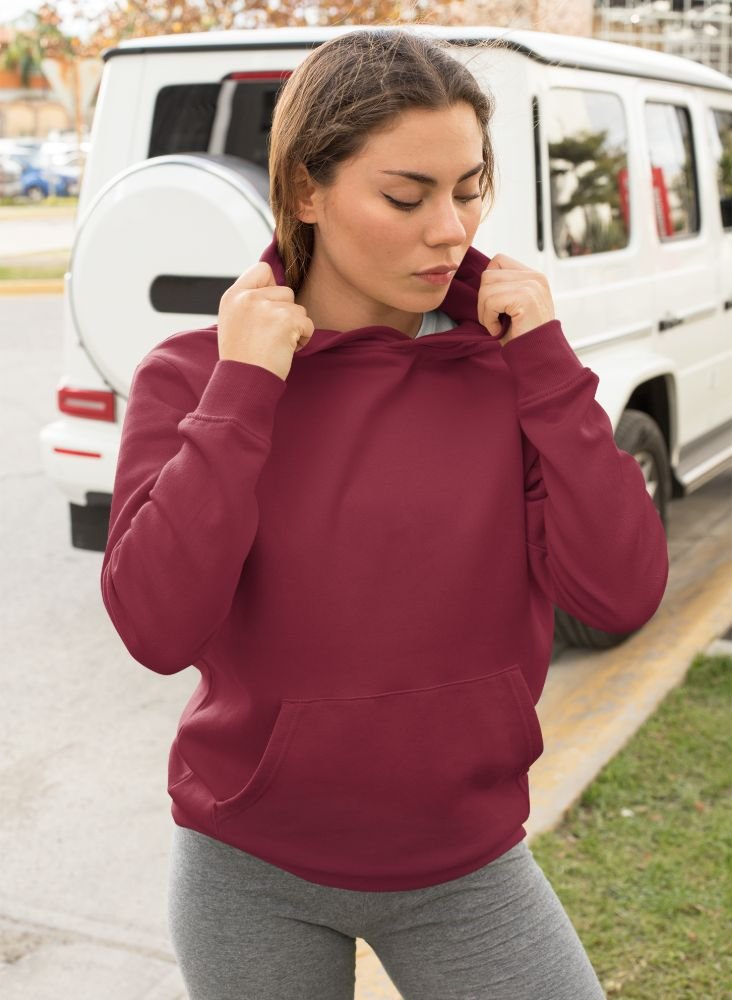
Q: What is the best T-shirt for NGO volunteers?
A: Choose a comfortable garment suited to weather and activity, then test it. Cotton and blends can both work. Prioritise inclusive fit, readable branding and laundering needs rather than choosing on price alone.
Q: Can we print a fundraising QR code?
A: A QR code may be printable, but its success depends on artwork quality, size, contrast and the destination URL. Test the final physical sample on several phones and confirm that the linked donation page is authorised.
Q: How should we display partner logos?
A: Use only logos you are authorised to print. Ask partners for vector files and written approval of placement and prominence. Keep the NGO’s identity clear and avoid crowded design.
Q: Can multiple districts receive separate packs?
A: Prepare the exact size and quantity list for each destination and ask the supplier to quote segmented packing and delivery. Obtain written confirmation of any multi-location fulfilment arrangements.
Q: Can volunteer shirts be reused?
A: Yes, a timeless design without a one-day date is easier to reuse, subject to garment condition and care. Keep spare garments stored cleanly, and check brand or sponsor agreements before reuse in another campaign.
Q: How do we request bulk pricing?
A: Share your campaign date, total quantity, sizes, fabric preference, approved logos, number of print positions and delivery locations through Namakool’s enquiry page. The supplier can then quote the specified scope.
For broader questions, explore bulk T-shirt manufacturing in India or the relevant product page before making an enquiry. Product availability, final specifications and prices should be checked on the written quotation.
Get a tailored quote for NGO volunteer T-shirts
Namakool can discuss requirements for NGO volunteer T-shirts with buyers looking for a coordinated, clearly specified bulk order. The easiest starting point is a complete enquiry rather than just a desired unit price. Share your organisation, intended wearers, approximate quantities by size, artwork, garment references, required colours, expected use, shipping destination and deadline.
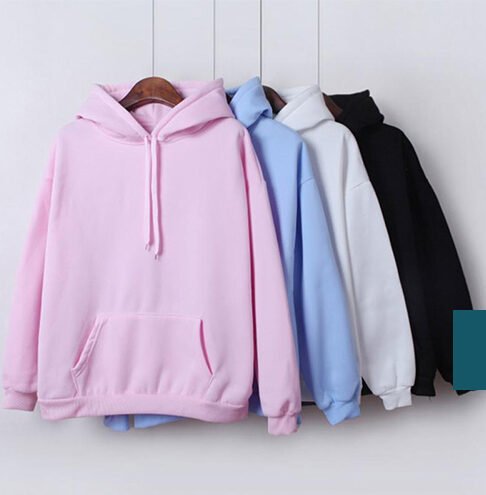
Use the Namakool bulk-order enquiry page to request details and a quotation. For T-shirts, see bulk T-shirt manufacturing; for winter layers, see bulk hoodies. Ask for a representative sample, confirmation of decoration method and a written lead time before paying. Clear requirements help avoid rework and lead to garments people actually use.
Editorial note: This guide offers practical purchasing considerations, not a published price list, a stock guarantee or a certification claim. Images are illustrative references from Namakool’s site media library.