
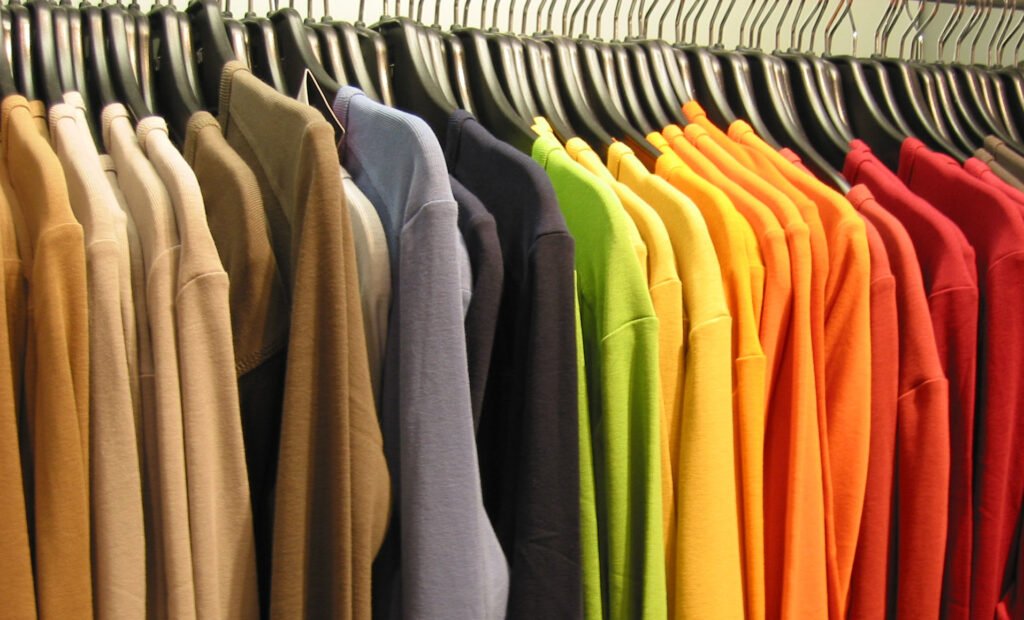
DTF vs DTG vs embroidery: which customisation method should you choose for bulk T-shirts? The right choice depends on fabric, logo or artwork details, order quantity, print position and the look you want. A colourful back graphic for a clothing label and a small chest logo for employee uniforms have very different technical needs.
This practical guide explains how direct-to-film (DTF), direct-to-garment (DTG) and embroidery differ; what to check before a large order; and what to send Namakool to request a relevant quotation. Namakool accepts bulk garment-printing and embroidery enquiries, with final method availability confirmed against the specific product and design. Call or WhatsApp +91 72900 08585.
NAMAKOOL • BULK CUSTOM APPAREL
CUSTOM T-SHIRTS IN BULK? GET A CLEAR QUOTE
Share your artwork, quantity and garment preference. Ask us which decoration processes are suitable for your order.
DTF vs DTG vs Embroidery: Quick Comparison
The three methods produce different results. DTF uses a printed film transfer applied with heat and pressure; DTG uses ink applied directly to a suitable garment; embroidery uses stitches to form the design. None of them should be described as the best for every fabric or logo.
| Buying question | DTF | DTG | Embroidery |
|---|---|---|---|
| How applied | Printed transfer, adhesive and heat press | Ink printed on garment and cured | Threads stitched into garment |
| Visual feel | Transfer layer on fabric | Printed ink finish | Raised, textured stitching |
| Artwork to explore | Detailed graphics on compatible fabrics | Detailed images on suitable garment types | Simple logos, crests and text adapted for stitches |
| Key limitations | Transfer feel, press/adhesion compatibility | Fabric, pretreatment and curing suitability | Very fine details and dense stitches |
| Best question to ask | Will this transfer suit my garment and design size? | Is this fabric compatible with the proposed ink process? | Can my logo be digitised and stitched clearly? |
Note: This is a selection guide, not a guarantee of method availability or results for a specific Namakool product. Sample testing and the supplier’s technical confirmation matter.
What Is DTF Printing for T-Shirts?
DTF stands for direct-to-film. In a common workflow, artwork is printed onto a special film, adhesive powder is applied and processed, and the design is then transferred to the garment with heat and pressure. Equipment and consumables vary. Brother’s published overview of the DTF process explains the typical sequence and emphasises testing before use.
DTF is worth discussing if your artwork is colourful, uses multiple elements or is intended for a compatible garment that may not be an ideal candidate for a particular DTG setup. However, “DTF works on everything” is an unreliable promise. Fabric surface, heat tolerance, finishing, transfer materials and correct application conditions must be checked. Some garments need special attention to avoid unwanted marks or adhesion problems.
Why bulk buyers consider DTF
- It may accommodate colourful graphics without changing every colour into a separate stitched region.
- Transfers can be prepared before application, potentially helping some production workflows.
- It may be an option for different garment categories where the selected film and adhesive are compatible.
- It can be considered for front, back or other locations after checking the garment and application area.
What to watch out for with DTF
A larger solid print can feel more noticeable on the fabric than a smaller graphic. Adhesion, hand feel, stretching, pressing and washing behaviour vary with the materials and correct processing. For shirts intended for repeated wear, ask about a sample and suitable washing-care guidance. Also ask the printer how fine details and transparent artwork backgrounds will be prepared.
What Is DTG Printing for T-Shirts?
DTG stands for direct-to-garment. Rather than transferring a finished design from film, DTG printing deposits ink directly on a compatible garment. Depending on the ink and garment colour, pretreatment and curing may be required. Brother’s DTG process explanation describes garment preparation, printing and ink curing as parts of the workflow.
DTG can be useful for detailed designs on suitable fabrics. It is frequently considered for designs with many colour details, but actual print appearance is affected by the textile surface, garment treatment, print settings and ink. Some DTG systems and pretreatments have specific requirements for blends and synthetic materials. Always check the chosen fabric, rather than assuming a method will be appropriate because a garment is called a T-shirt.
Questions to ask for a DTG order
- Is the selected garment fabric suitable for the specific DTG process offered?
- Does the artwork need a white underbase or pretreatment?
- How will print location, seams and pocket areas be handled?
- What curing and care instructions apply to the finished garment?
- Can a proof or sample be reviewed before a substantial bulk order?
DTG may be useful for some short or medium production runs, but it is not automatically cheaper or faster in every situation. Production economics depend on machines, ink coverage, garment handling, artwork and batch setup. A quote with the actual garment specification is more useful than an unsupported per-piece estimate.

What Is Embroidery on T-Shirts and Polo Shirts?
Embroidery builds a logo with thread stitched through the garment, generally using an embroidery machine with an approved digital stitch file. It produces a textured appearance and is often considered for corporate polos, institute uniforms and subtle branding on suitable garments.
The artwork usually needs digitising: a technician translates the visual design into stitch instructions appropriate for its size and fabric. Embroidery is not simply a printed logo with different materials. Thread has real thickness, so tiny text, fine outlines, gradients and dense designs may not reproduce as expected. Madeira’s embroidery reference discusses design and small-lettering considerations.
Why choose an embroidered logo?
- A small badge or company emblem can have a distinctive stitched finish.
- Embroidery may suit a restrained uniform look on an appropriate polo or sweatshirt.
- It is suited to artwork intentionally designed for stitches rather than photographic effects.
- Thread colour, stitch density and placement can be specified during approval.
Where embroidery needs extra care
Very thin T-shirt fabric may require special stabilisation, and a dense embroidery design may distort or pull the garment if it is not appropriately prepared. Small letters may be unclear without simplifying the design or changing the thread and stitch plan. Ask for a stitch-out or physical sample when possible, particularly if the garment will be worn by a large team.

Which Is Better for Company Logos: DTF, DTG or Embroidery?
There is no universal winner. For a small, simple company crest on a suitable polo fabric, embroidery may be worth exploring because of its stitched appearance. For a multi-colour staff event graphic, DTF or DTG may be more relevant, depending on the material and print area. A supplier should assess the actual design, not only the word “logo.”
When your team needs shirts that all look consistent, request a clear visual specification: garment reference, colour, logo dimensions, position and agreed artwork. Some logos may benefit from having separate versions for printed and embroidered use. A complicated vector graphic designed for a website should not automatically be sent unchanged for machine stitching.
Corporate uniform example
A company ordering collared shirts for front-desk staff may want a subtle embroidered mark. An event crew might instead require large text that is easy to see from a distance. Both are valid approaches, but their quote structures, fabric choices and approval requirements differ. Compare the men’s polo T-shirt and women’s polo T-shirt listings as starting points.
DTF vs DTG for Streetwear, Oversized T-Shirts and Fashion Brands
For a fashion brand, the garment and graphic together create the product. A large artwork print may change the feel and drape of a shirt, and that matters particularly for loose or oversized styles. Ask about the finished surface, how a large printed area behaves when worn, and which fabric types are suitable.
DTG might be explored for compatible cotton-rich garments and detailed imagery, whereas DTF may be considered for various compatible fabrics and transfers. Those are starting points, not final technical verdicts. The sample should represent the actual fabric, colour, graphic size and printing conditions you intend to use.
If you’re launching a private label, review our private-label manufacturing guide and oversized T-shirt sourcing guide. Both explain why fit, size charts and brand details should be approved before buying in volume.
How Fabric, GSM and Garment Colour Affect Custom Printing
GSM means grams per square metre and describes the mass of a fabric over a given area. It cannot, by itself, tell you whether DTF, DTG or embroidery is right for a garment. Fibre composition, stretch, knit, surface texture, heat tolerance, garment construction and artwork density are often more important to method compatibility.
A thick knit can still need careful embroidery stabilisation, and a thin shirt can still be unsuitable for a particular transfer or print layout. Dark garments may require additional underbase or preparation for some printing processes; white and light garments present different artwork-contrast decisions. The technical response depends on the actual chosen material and process.
What should you tell a supplier about fabric?
Provide any known composition (for example, cotton or a blend), desired GSM, fabric finish, stretch and selected product link. If you are ordering from Namakool’s existing collection, identify the exact listing; examples include men’s round-neck T-shirts, women’s round-neck T-shirts and men’s full-sleeve T-shirts. Current available fabrics and variations must be confirmed with the team.
Choosing Print Placement: Front, Back and Sleeve
Print or embroidery location affects both visibility and production. A small chest logo is a different job from a large back graphic, and a sleeve position may have limitations based on the sleeve shape, seams, garment size or equipment. It helps to identify each position using a simple diagram and approximate dimensions.

Front print or logo
For corporate clothing, a small chest mark may help preserve a minimal appearance. Fashion collections sometimes use larger, more central artwork. Make sure the intended logo size looks right across the actual size range, and confirm whether the same print dimensions will be used on every shirt.

Back printing
A broad back graphic can suit student merchandise, music and creator apparel or event crew identification. Include every colour, any small lettering and the intended size. Large designs may create different surface feel and cost implications depending on the selected method. A sample is especially useful when the graphic spans a significant part of the garment.

Sleeve marks and individual names
A small sleeve logo, participant number or staff name is not necessarily priced the same as one standard chest logo. If any design elements change from shirt to shirt, state how many unique versions exist and provide a structured spreadsheet with accurate spelling. Ask whether the supplier can support variable personalisation for your batch.
DTF vs DTG vs Embroidery: How Much Do Bulk Orders Cost?
There is no accurate universal cost ranking without defining the job. Price may be influenced by the garment, design coverage, number of colours, stitch count or print area, production setup, order quantity and delivery terms. An embroidered two-colour chest logo and a full-colour back print are not comparable decoration tasks.
For a useful quote, specify the same base garment and artwork goals, then ask which methods are technically compatible. You can request alternate scenarios, such as small embroidered logo versus small printed logo, if the supplier can support both. A fair comparison includes any digitisation, artwork preparation, samples, packaging, taxes and shipping charges.
What happens to pricing as quantity increases?
Ordering in volume may change the economics, but it does not mean that the unit rate will fall by a fixed percentage. Some preparation costs can be spread across a run; other costs, such as materials, print area, handling and variation management, remain. Ask about the quote for the quantity you actually need and about the applicable minimum order quantity (MOQ) for each method.
How Durable Are DTF, DTG and Embroidery?
Durability cannot responsibly be ranked in one sentence. All three methods can be affected by garment quality, materials, correct production and laundering. DTF results depend on the chosen film, adhesive and application; DTG results depend on ink, pretreatment where applicable and curing; embroidery results depend on thread, stabilisation, stitches and fabric compatibility.
For repeat-use uniforms, ask for care instructions for the precise fabric and process. When a large order is at stake, discuss whether a sample or wash test can be reviewed. A garment’s behaviour after wear and washing is more useful evidence than a claim that any technique is always “permanent” or “unbreakable.”
Quality-Approval Checklist Before Printing Hundreds of T-Shirts
Purchasing teams can reduce rework by checking the details below before authorising production:
- Garment: the chosen product, fabric, colour, fit and size range are confirmed.
- Artwork: files are final, fonts are readable and unnecessary backgrounds are removed.
- Method: the supplier confirms DTF, DTG or embroidery suitability for the exact garment.
- Colours: brand colour references are supplied and realistic reproduction expectations are agreed.
- Dimensions: the width and height of every decoration are specified.
- Placement: chest, back and sleeves are marked on a mock-up.
- Variations: names, numbers, different colours and size-specific changes are listed.
- Sample/proof: clarify whether one is available, whether it is chargeable and who approves it.
- Quote: MOQ, taxes, packaging, shipping and extra charges are documented.
- Timeline: the destination and required date have been discussed and feasibility confirmed.
Bulk T-Shirt Printing for Companies, Colleges and Clothing Brands
A college fest order can prioritise an eye-catching graphic and easy participant identification. A corporate uniform order may need repeatability, simple logo placement and sizing consistency. A streetwear order may need a carefully developed feel, fit and brand presentation. The correct method follows the customer and the garment—not just the marketing description of the printing technology.
For teams ordering in Chandigarh, Panchkula, Mohali, Zirakpur or Kharar, send the actual delivery location and event date to Namakool for an order-specific discussion. These guides cover the separate requirements of Chandigarh teamwear, Panchkula uniforms, Mohali corporate clothing, Zirakpur promotional garments and Kharar group orders. These articles do not imply separate manufacturing locations in each city.
How to Request a DTF, DTG or Embroidery Quote from Namakool
To request bulk T-shirt printing, send Namakool your intended garment link or description, quantity, size and colour breakdown, logo or artwork, desired positions and delivery city. If you are unsure which printing method to request, describe the effect you want. The team can discuss suitable options based on the available garments and processes; no particular method or MOQ is promised without confirmation.
COPY THIS ENQUIRY MESSAGE
“Hello Namakool, I need [quantity] T-shirts for [company/college/brand]. Garment: [style and fabric]; sizes and colours: [list]; artwork: [logo or design]; positions: [chest/back/sleeve]; delivery city: [city]. Please suggest a suitable choice between DTF, DTG and embroidery, and share available options, MOQ and price.”
Frequently Asked Questions About DTF, DTG and Embroidery
What is the main difference between DTF and DTG?
DTF uses a prepared film transfer that is applied to a compatible garment, while DTG prints ink directly on a suitable garment. The final feel and performance depend on the fabric and production process.
Which is better for bulk T-shirts, DTF or DTG?
Neither is always better. Compare the actual fabric, design, print area, quantities, sample results and costs for the available processes before choosing.
Can DTF printing be used on cotton and polyester?
It may be an option for compatible garments, but suitability depends on the transfer materials, textile and processing conditions. Confirm the specific garment with the supplier.
Is DTG printing suitable for every fabric?
No. Compatibility depends on the ink system, pretreatment and actual textile. Ask whether the chosen T-shirt is appropriate for the proposed DTG process.
Is embroidery better for company uniforms?
Embroidery can suit a simple logo and an appropriate garment, especially if you want a stitched look. Detailed graphics, very small type and lightweight fabrics may need special consideration.
Can a T-shirt have both embroidery and printing?
A combined decoration approach can be discussed, but its practicality depends on garment, locations and production capabilities. Send a layout showing every proposed element.
Does higher GSM guarantee better printing?
No. GSM only describes fabric weight per area. Fibre composition, surface, stretch and the printing method’s compatibility also matter.
How many colours can DTF or DTG print?
Both processes can be considered for multicolour artwork, subject to equipment and material limits. Ask the supplier to evaluate the actual file, fine details and colour expectations.
Is embroidered text always legible at a very small size?
No. Thread has physical dimensions, and very small lettering may merge or lose clarity. Artwork may need resizing or digitising adjustments. Ask for a sample or stitch proof.
Which method is most durable after washing?
Durability depends on garment material, preparation, production quality and care. Compare samples and recommended washing instructions rather than assuming one method always wins.
What is the minimum order quantity for printed or embroidered T-shirts?
MOQ is order-specific. Share your selected garment, artwork and quantity to ask which customisation methods and minimums apply.
Can Namakool quote an event order with several print positions?
Yes, you can enquire about your requirement. Provide separate front, back and sleeve layouts, quantity, delivery date and sizes; the team must confirm feasibility and pricing.
How do I start a bulk printing enquiry?
Call or WhatsApp +91 72900 08585, browse the Namakool bulk catalogue, or use the contact page.
Get a Quote: Bulk T-Shirt Printing and Embroidery
The best decoration is the one that fits your garment, artwork, audience and budget. Start by choosing a real T-shirt product, preparing the final graphic and sharing your quantity and location. Ask Namakool about currently available DTF, DTG and embroidery options for your specific project. For a broader overview of wholesale products, see our T-shirt, hoodie and sweatshirt bulk manufacturing guide.
NAMAKOOL • BULK CUSTOM APPAREL
SEND YOUR ARTWORK. DISCUSS THE BEST METHOD.
No guessed wholesale prices: share your garment, logo and order size for an accurate customization conversation.
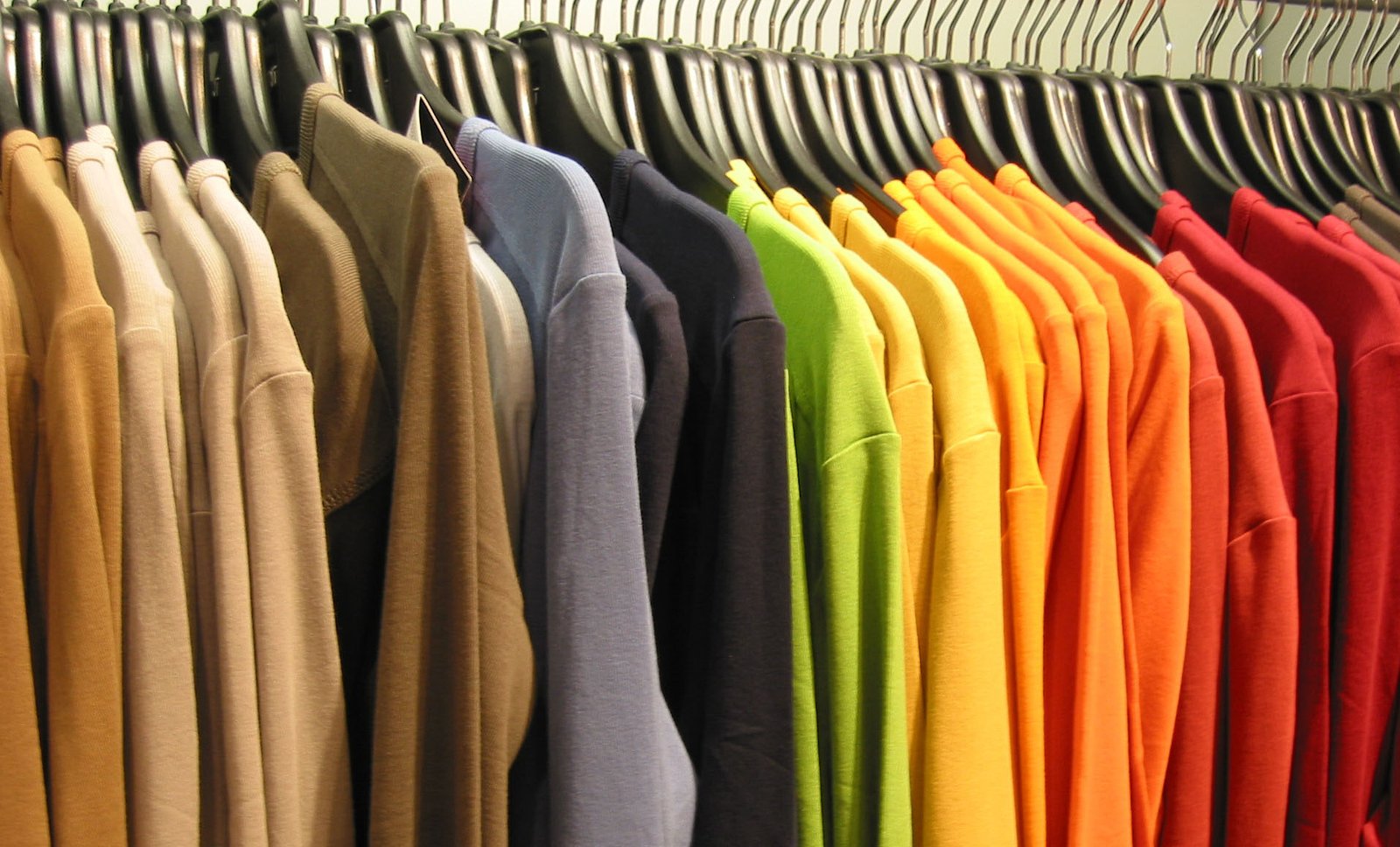
All garment photos are existing product or layout references, not verified DTF, DTG or embroidery samples. Current availability, technical compatibility, pricing, MOQ, samples and shipping timelines must be confirmed by Namakool. External resources are linked as technical background only and do not establish which equipment or processes Namakool itself uses.