
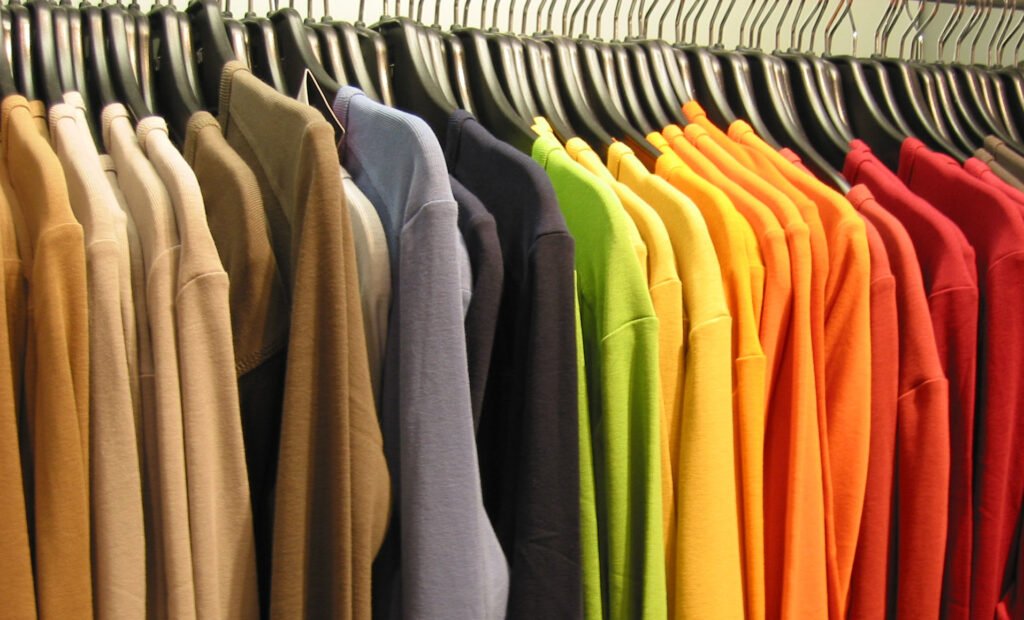
Custom promotional T-shirts for corporate events and exhibitions can help your team look coordinated and give attendees a useful reminder of your brand. But a successful bulk order requires more than a logo: the right fabric, comfortable fit, artwork placement, size planning and written quotation matter. This practical guide covers the decisions organisers should make before ordering.
Why Promotional T-Shirts Still Matter at Business Events
A well-designed promotional T-shirt can make staff recognisable, connect a booth team visually and give visitors something practical to take home. Unlike a disposable leaflet, a comfortable garment may be worn again. That outcome is not automatic: fit, material, visual appeal and relevance to the audience determine whether recipients keep it. For exhibitions, conferences and trade shows, begin by defining what the garment should achieve rather than simply adding a large logo.
Start With the Event Objective
An organiser ordering for exhibition staff has a different brief from a marketing team planning a giveaway. Staff apparel must support movement, comfort and quick identification. A customer giveaway should appeal to recipients beyond the event. Merchandise intended for resale or VIP gifting needs its own product positioning and packaging. Write down the intended audience, setting, duration, likely weather, brand guidelines and approximate quantity before requesting a quotation.
Staff Uniforms Versus Visitor Giveaways
Staff uniforms benefit from consistent colours, easy-to-read branding and sizes collected directly from wearers. Visitor giveaways involve uncertain size demand and often require a broader size mix. A single design may not serve both audiences. Consider two distinct briefs: one for event crew with role visibility and another for guests with a more wearable design. If budgets permit only one garment, prioritise versatile colours and discreet branding that people might use after the event.
Round Neck or Polo for an Exhibition Team?
Round-neck T-shirts generally create a casual, accessible impression and can work for active teams or youth-oriented events. Polo collars may align with a more formal reception or sales setting. Neither style is inherently more professional; the best option depends on brand identity and event dress code. Review Namakool’s round-neck T-shirt reference and polo T-shirt reference, then confirm available colours, fabric, sizes and branding methods.
Choose Fabric for the Venue and Climate
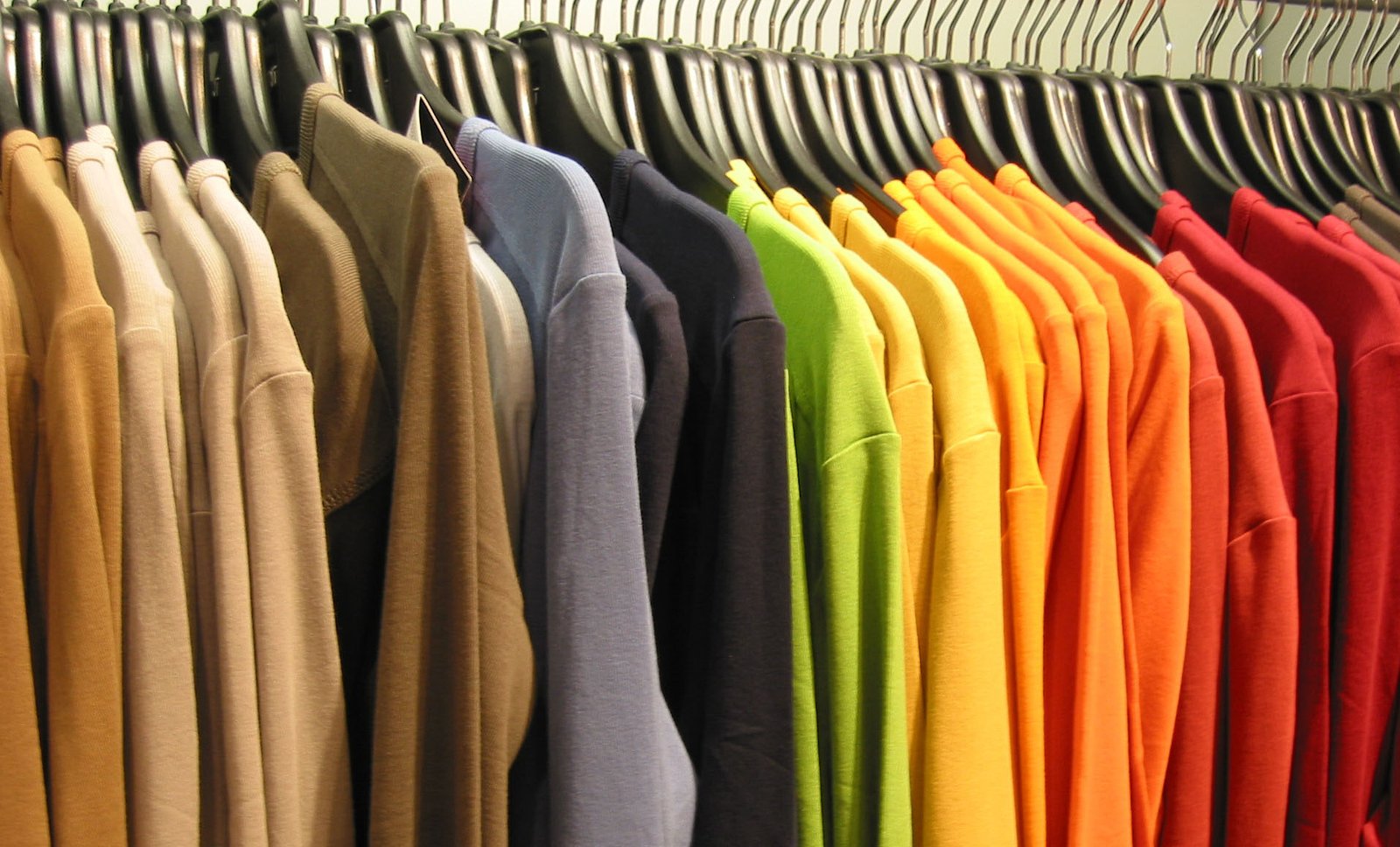
A crowded indoor exhibition hall, an outdoor promotional event and a multi-day corporate conference place different demands on clothing. Consider temperature, ventilation, expected activity and how long staff will wear the garment. Cotton-rich fabrics, polyester blends and performance knits can differ in feel, moisture handling and care. Ask for composition and a sample of the actual garment. Do not rely on words such as breathable or premium without checking the specific fabric.
Understanding GSM Without Overbuying
GSM measures fabric mass per square metre, not the overall quality of a T-shirt. Lightweight and heavier options can both be appropriate for promotional wear. Compare drape, opacity, comfort and wash performance alongside fabric weight. For a fuller explanation, see 160, 180, 220 and 240 GSM compared. These numbers are reference weights, not a claim that every one is currently stocked for your chosen garment.
Designing a T-Shirt People Will Actually Wear
Begin with the brand message. A huge front logo may suit staff identification but be less attractive as a giveaway. For customer merchandise, consider a smaller chest mark, an original illustration or a tasteful back graphic. Keep slogans short, check spelling and make sure sponsor logos remain legible at final print size. Use a digital mock-up to align stakeholders, then assess a physical proof when feasible. Avoid reproducing third-party trademarks or artwork without permission.
Logo Placement: Front, Back and Sleeves
A left-chest logo can create subtle branding. A central front design has stronger visual impact, while a back print can be useful when staff face away from visitors. Sleeve marks may work for a secondary partner or event name. Each additional placement may affect production cost and compatibility. Ask the supplier to evaluate the design dimensions, garment material and chosen decoration technique. Provide measurements rather than descriptions like ‘small logo’ or ‘normal print’.
DTF, DTG, Screen Printing and Embroidery
Different decoration processes suit different artwork and production conditions. DTF uses a transferred design; DTG prints directly on suitable fabric; screen printing involves preparation that may make sense for some repeat designs and quantities; embroidery uses thread. None should be assumed compatible with every garment. Fine gradients, small lettering, large solid prints and dense stitched logos all raise distinct questions. Read DTF vs DTG vs embroidery and request a technique recommendation based on actual artwork.
Plan the Size Mix Before Placing an Order
Size planning is especially important for giveaways because recipients may not be known in advance. Use historical event data if available, and consider how your audience differs from previous campaigns. For staff orders, collect sizes using the exact supplier chart. Do not assume a medium from one brand matches another. Keep men’s, women’s and unisex fits separate in the order spreadsheet. Add a small contingency only when justified by your event plan; extra units still cost money and may become unused inventory.
Build a Colour and Quantity Matrix
Prepare a table showing style, colour, size, logo version and quantity. A total order of 300 pieces is not enough information if it contains several colourways and different sponsor artwork. Confirm whether each variation has separate setup or minimum-quantity requirements. Colour consistency matters when matching brand guidelines, so provide a reference colour and approve a sample when possible. Screen colours do not always match dyed fabric or printed ink.
| Style | Colour | Size | Logo version | Quantity |
|---|---|---|---|---|
| Round neck | Navy | M | Staff | Enter count |
| Round neck | Navy | L | Staff | Enter count |
| Polo | White | XL | VIP | Enter count |
This is a planning template, not a real order or available-stock listing.
Exhibition Staff Identification and Practicality
Think about how visitors will recognise staff from a distance. Contrasting shirt colours, clear badges and visible booth roles may help. The garment should also work with lanyards, microphones, jackets and other equipment. Avoid placing essential text where a lanyard covers it. If employees will be moving boxes or setting up displays, prioritise comfort and suitable fit. The apparel is one part of event operations, not a substitute for signage or staff training.
Corporate Merchandise for Conference Attendees
Attendees may appreciate merchandise that is useful after the event. Consider a tasteful design, good fit and sensible packaging. A garment with the event date printed prominently can be meaningful as a keepsake, but may be less versatile for daily wear. For a conference series, a consistent core design with a small year-specific detail may be easier to reuse. Ask whether labels, hangtags or individual packing are possible for the selected item.
Employee Welcome Kits and Internal Events
Promotional T-shirts also fit onboarding, company celebrations, sales kick-offs and team offsites. A welcome kit may combine apparel with other items, but every component should be costed separately. Employees often value comfort and sizing accuracy more than an elaborate printed message. Where privacy and practicality permit, collect sizes directly and explain the fit. Avoid making assumptions based on job role or gender.
Event Timelines: Work Backward From the Date
Start with the date garments must be in hand, not just the event opening day. Allow time to approve artwork, confirm sizes, review samples if available, agree on production terms, inspect the shipment and distribute pieces to the correct teams. Ask for written lead-time estimates for the actual order and destination. Do not assume a generic online timeline is a guarantee. Late design changes or a revised size split can affect feasibility.
What Determines the Price of Promotional T-Shirts?
The quote can depend on base garment, fibre composition, GSM, quantity, colour and size variations, logo method, number of placements, setup, labels, packing, taxes and freight. Two prices cannot be compared fairly unless the specifications match. Request an itemised quote and identify any exclusions. For a detailed budgeting framework, consult the bulk T-shirt manufacturing cost guide. Namakool does not publish a verified universal per-piece price in this article.
Avoid Common Bulk Merchandise Mistakes
A frequent mistake is approving only the graphic while ignoring the garment itself. Others include guessing size distribution, omitting sponsor approvals, using low-resolution artwork, changing the print location after proofing and overlooking freight or taxes. Make one person responsible for final sign-off. Keep the approved artwork, size chart and written specification together. If you receive a sample, document any differences before approving a larger run.
How to Check Quality Before Distribution
Inspect representative pieces against the agreed specification: fabric and colour, stitching, neckline, size measurements, logo position, print legibility and any packaging requirements. Confirm acceptable tolerances with the supplier rather than inventing your own. For printed apparel, follow care instructions when evaluating washing and durability. For an exhibition, sort garments by team and size before the event to reduce confusion at registration.
Planning Sustainable Use Without Unsupported Claims
The most useful environmental decision may be to order a garment people will actually wear and to avoid unnecessary surplus. Consider timeless graphics, reasonable quantities and a plan for unused pieces. Do not call a garment organic, recycled, carbon-neutral or certified without evidence for that exact product. If sustainability attributes are essential to your procurement policy, ask for documented materials and applicable certificates before placing an order.
How to Brief Namakool for an Event Quote
Send the event type, garment style, estimated quantity, size and colour breakdown, artwork files, logo placement, required destination and target in-hand date. State whether the shirts are for staff, visitors or resale. Ask which materials, printing options and samples are available, along with MOQ, itemised charges, taxes, shipping and payment terms. A complete brief helps avoid misunderstandings and makes alternatives easier to compare.
Browse Teamwear Options for Your Next Event
To build your event quotation, compare the men’s round-neck cotton T-shirt with the women’s cotton polo T-shirt, and explore the bulk T-shirt category for additional fits. Choose options that suit the event staff, volunteers or attendees rather than assuming one cut fits everyone.
Estimate sizes by style and colour, then send a logo file, print placement, event date and destination. For decoration selection, use the printing-method comparison guide. Prices and timings require a product-specific confirmation.
Frequently Asked Questions
What is the best T-shirt for a corporate exhibition?
It depends on the brand image, event conditions and wearers. Round-neck styles may suit casual teams; polos can work for more formal settings. Compare actual samples.
Can we print our company logo on both sides?
Ask the supplier to assess the garment, artwork dimensions and decoration method. Front and back placement can affect pricing and feasibility.
What is the minimum quantity for event T-shirts?
MOQ varies by garment, design and production method. Request a current quote for your exact quantity rather than assuming a standard minimum.
How far in advance should we order?
Allow time for artwork approval, sizing, sampling where available, production and shipping. Confirm a written schedule for the specific order; no fixed delivery promise is made here.
Are DTF and embroidery suitable for all fabrics?
No. Compatibility depends on fibre, knit, finish and design. Ask for a technical check and sample when appropriate.
Can we order mixed sizes and colours?
You can enquire about a mixed order. Provide an exact matrix because minimums, availability and setup may vary by variant.
Can we include sponsor logos?
Provide approved artwork and written permission to use third-party marks. Check the final proof for placement and readability.
Are shipping and GST included in the price?
Do not assume so. Ask for an itemised quotation that specifies taxes, freight, packaging and setup charges.
Can the shirts be packed individually?
Ask whether individual packing is available for the chosen garment and quantity and whether it changes the price.
What details should I send on WhatsApp?
Share event date, garment type, quantity, size and colour split, artwork, destination and preferred delivery date so the team can evaluate options.
NAMAKOOL BULK ORDERS
Get a Custom Quote for Your Event T-Shirts
Outfitting a conference, exhibition or corporate team? Share your quantity, sizes and logo artwork to discuss available options.
MOQ, prices, customization and timelines confirmed per enquiry.