
Restaurant and café uniform T-shirts in bulk: choose cotton polos or round-neck styles, plan staff sizes, approve the logo and request an itemised quote for your hospitality business. This is a practical Namakool bulk-buying guide for Indian cafés and restaurants.
Bulk Café and Restaurant Uniform T-Shirts: Start With Job Roles

Buying bulk restaurant and café uniform T-shirts is a little different from purchasing giveaway shirts for a one-day event. Staff might wear the garments throughout long shifts, interact with customers, carry trays, stand near food-preparation areas or move between indoor and outdoor work. A useful uniform therefore needs a suitable fit, clear brand identification and washing instructions that are practical for the job. This guide helps independent cafés, restaurants, bakeries, quick-service outlets and hospitality teams prepare a more precise custom clothing enquiry.
Begin by identifying which people need the garments. Front-of-house employees may want a collar and subtle emblem, whereas event promoters or casual café crews may prefer round-neck cotton shirts. Supervisors might wear another approved colour to make them identifiable. Do not assume the same product works equally well for a hot kitchen and an air-conditioned reception desk; specific workplace safety or hygiene requirements should be checked independently.
Namakool has published men’s cotton polos, women’s polos and round-neck T-shirts that can be considered as starting garments. Logo-printing feasibility, available colours, minimum order, pricing and delivery must be confirmed for the selected item. Create a role-wise list before requesting prices so the quote reflects actual staff needs.
Polo or Round Neck: Which Garment Fits the Service Style?

Collared cotton polo shirts can communicate a more structured appearance in restaurants, hotel-adjacent food counters or customer-facing café roles. Round-neck T-shirts often suit a casual brand identity, promotional kiosks or teams that prefer a less formal garment. Neither option is inherently the correct uniform for every business. Consider the dress code, indoor temperature, movement required, logo visibility and how the colour complements aprons or other workwear already in use.
Namakool’s listed men’s and women’s polo products specify 220 GSM cotton, whereas its commonly listed round-neck cotton shirts specify 180 GSM. GSM is fabric weight per square metre; it is not a complete measure of comfort, durability or wash performance. Compare the actual product cuts, necklines, sleeve types and measurement charts before deciding that the heavier product is automatically better.
For cafés with both kitchen and service areas, you may request separate styles rather than forcing one garment across every role. Keep the same approved logo treatment or palette to maintain a consistent identity. Ask if your chosen sizes and colours can be supplied in the requested quantities. A single published photo does not establish available stock for a full restaurant team, and a general catalogue price does not automatically include printed branding.
Fabric Weight, Comfort and Wash-Care Questions for Staff Uniforms

Restaurant uniforms are often worn and washed frequently. That makes fabric composition, size stability, label instructions and the feel of a decorated logo worth discussing before you approve a large batch. Namakool’s published round-neck T-shirts specify pure cotton at 180 GSM, and the polo listings specify pure cotton at 220 GSM. These specifications give you a point of reference but do not guarantee a particular shrinkage rate, stain resistance or suitability for industrial laundering.
Ask for the garment’s actual care guidance and whether the selected decoration has additional washing restrictions. The care advice on published apparel listings recommends cold water, mild detergent and avoiding direct ironing over print. For hospitality teams dealing with spills, that may or may not match their required cleaning routine. If the workplace uses high-temperature commercial laundry or mandated protective apparel, confirm separate fabric requirements rather than assuming a standard cotton T-shirt meets them.
Comfort also depends on the pattern, neckline, sleeve opening and local climate. A polo chosen for appearance may not be the preferred style for every activity. Where practical, ask whether a sample is available and have representative employees assess fit and comfort. For more background on material differences, read Namakool’s cotton versus polyester and blended-fabric guide, remembering that it does not promise all discussed fabrics are stocked.
Staff Uniform Fits for Mixed Teams and Different Shifts
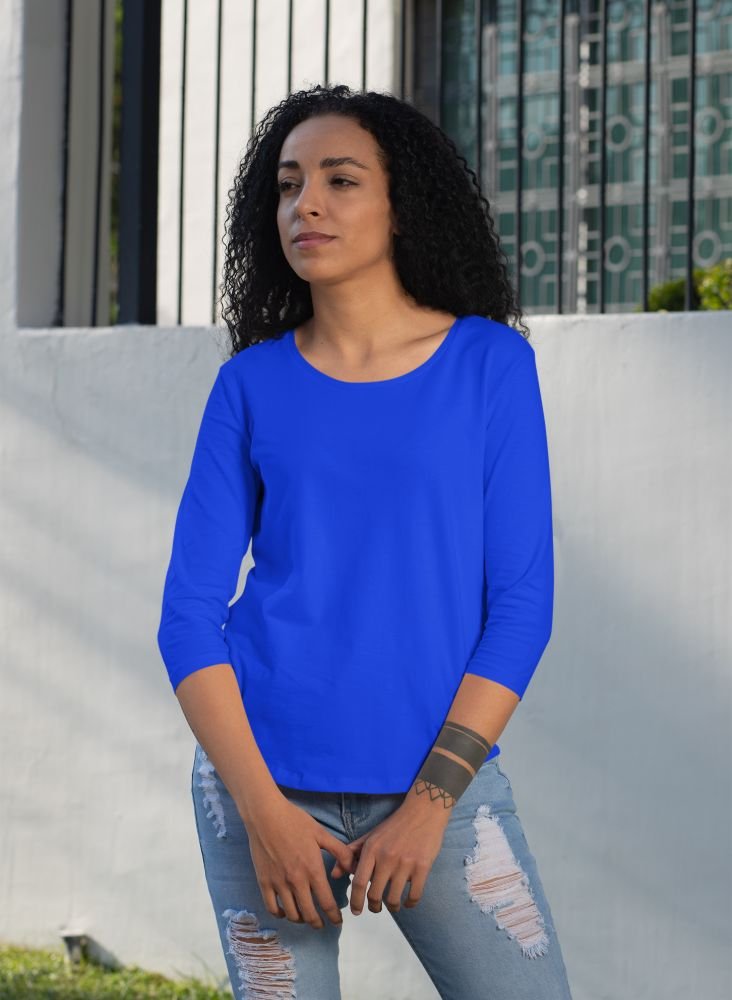
A café can have full-time employees, part-time weekend staff, trainees and people whose preferred garment cuts differ. One generic size count may lead to unwanted uniforms when the actual measurements do not match. Start with the exact product reference and share its size chart with the staff. Do not assume that men’s medium, women’s medium and a full-sleeve medium are interchangeable. Avoid estimating sizes solely from someone’s age, height or appearance.
Build a basic ordering sheet listing the staff role, chosen T-shirt or polo, colour, size, quantity and any branding variation. Ask the manager to confirm the subtotal for every product style. If your restaurant plans spare garments for new employees, record that quantity separately rather than mixing it with confirmed sizes. A reordering plan can be helpful, but future availability and pricing still require fresh confirmation with the supplier.
Uniforms that fit appropriately can be more useful than an elaborate graphic placed on a poorly selected shirt. If you need multiple sleeve options or specific cuts, compare available women’s clothing and men’s clothing. Ask about samples and any charge before making the final decision. Namakool’s bulk size-chart guide explains how to collect measurements and avoid sizing errors.
Logo Placement on Café T-Shirts and Restaurant Polos

The logo should be visible enough to identify staff without becoming uncomfortable or overwhelming the garment. A small left-chest emblem may suit a customer-facing polo, while a back design can help identify event crew members or promotional workers. A sleeve mark may be appropriate when the business wants its front-of-house appearance understated. Decide where the logo will appear before asking for a printing quote, since the number and size of decorated positions can change the production cost.
Supply the best-quality original design available and specify the logo’s dimensions, colours and approved wording. If the logo includes very small type, ask the supplier which decoration method can reproduce it legibly. Colour contrast matters: a dark logo on a dark café uniform may be difficult for customers to see. If you need light and dark garment colours, confirm whether different artwork files or treatments are required for them.
Namakool has an in-depth custom printing service page and a printing-versus-embroidery guide. These help you compare possible processes but do not promise every method is compatible with every particular garment. Ask for a product-specific proof showing the approved spelling and position. Keep it with the order confirmation to reduce disputes about the final design.
Brand Colours, Aprons and a Consistent Front-of-House Look

Restaurant branding normally extends beyond the T-shirt. Aprons, menus, signs and interiors may already establish the business’s visual style. Choose clothing that coordinates with those elements rather than selecting a fashionable garment colour without considering the brand. For a café with dark aprons, a contrasting shirt may work well. Another restaurant might want matching colour families for its front-of-house team, while supervisors use a separate accent shade.
Keep the colour palette manageable. If the staff needs one primary uniform colour and one approved alternative, an order is easier to count, approve and replenish than a large mix of unrelated shades. Confirm that the desired colour exists in the chosen garment’s available variants. A colour shown on a phone screen is not a reliable fabric colour standard. If an exact brand shade is essential, ask whether physical sampling or a confirmed reference can be arranged.
Logo contrast and care also affect the final impression. A light logo may stand out against navy or black, but fine detail can be lost if the artwork is reduced too much. Document the selected garment colour, artwork variation and logo size together. The current T-shirt category is a useful starting point for the available shades; any special dyeing process or a colour not listed should be checked as a separate requirement.
A Practical 35-Person Restaurant Uniform Buying Example

Imagine a restaurant with 35 employees: 20 service staff, 8 counter or cashier employees, 5 supervisors and 2 event promoters. These numbers are an illustrative planning exercise, not a Namakool order commitment or verified minimum order. The business might first decide whether one polo suits the front-of-house roles and whether the event promoters would prefer a round-neck shirt. It can then ask every person to confirm a size using the chart for that specific garment.
Prepare one worksheet row for every style-colour-size combination and sum the required pieces. If the company wants one spare uniform for certain roles, identify those pieces separately. For logo placement, note whether the same front design is used across all cuts and whether only the promotional shirts require an extra back print. That distinction matters for a supplier quote because decoration on two locations can differ from decoration on one.
Provide the delivery postcode, deadline and intended cleaning use case in the enquiry. Ask for a written price covering base garments, all approved logo placements, any sample charges, GST and shipping. Avoid comparing a blank polo price against a printed T-shirt quote; they are not equivalent products. The bulk manufacturing cost guide describes other expenses buyers should consider.
Employee Onboarding and Reordering Small Uniform Quantities

Restaurants regularly recruit and train people. When a new employee joins, the business may need another uniform that matches the approved garments and logo, or it may have to replace a damaged shirt. This makes a controlled product record valuable even for a relatively small team. Store the garment link, approved size chart, selected colour, logo file and final proof with the original purchase documentation. Those details can reduce ambiguity when making a future enquiry.
Do not assume the exact colour, fabric or price will remain unchanged forever. A product can become unavailable or its available variants can change. Before reordering, ask Namakool to confirm whether the same garment specification can still be supplied. If the required minimum quantity is larger than your immediate need, consider forecasting realistic staff changes, but avoid buying excessive stock in sizes that nobody has requested.
For restaurant openings or multi-branch launches, it may be useful to collect size needs ahead of time and agree on a uniform standard for every site. Keep each branch’s quantity and delivery postcode separate. This makes shipping planning easier and allows the supplier to give a clearer quotation. Read the published order terms before approving a repeat purchase or asking for additional personalised versions.
Uniforms for Outdoor Counters, Pop-Ups and Food Festivals

Food festivals and temporary café stalls bring a different set of considerations from an indoor restaurant. Team members may need to be recognised quickly in busy areas, and the event can involve variable weather, outdoor light and extended standing time. A visible garment colour, legible back design and suitable fit may be useful. At the same time, a standard cotton shirt should not be represented as certified high-visibility, heat-resistant or protective workwear unless the specific product has those qualities documented.
For a temporary event, define the staff roles and count how many shifts or days require clothing. Ask whether the same garment will be reused or whether spare shirts are needed. A one-time large graphic can make sense for a campaign, but the supplier must confirm whether the chosen printing technique is appropriate. If the design is different for supervisors, vendors or promotional workers, list the exact quantity and artwork for each version.
Compare the round-neck cotton option against polo products and decide which fits the event’s dress expectations. Order dates should be based on the required arrival day, not merely the event date. Confirm proof approvals, production and courier timing in writing. The promotional T-shirt buying guide covers related event merchandise decisions.
How to Compare Wholesale Uniform Quotes Without Surprises

A restaurant uniform quote is only useful if it tells you what is included. Two offers might both say “cotton polo with logo” while describing different fabrics, cuts, printing sizes or shipping terms. Ask for an itemised proposal that names the garment product, selected colour and sizes, total pieces, number of logo locations, printing or embroidery method, any sample charge, packaging, taxes and freight. The final quotation should describe how and when approvals are needed.
Namakool’s catalogue prices are reference prices and are not necessarily an all-inclusive wholesale rate for your customised order. The website lists some options, such as branded labels or additional packaging, as separate products or charges. If these matter for your café uniforms, include them in the initial enquiry. Ask whether price differences apply when you mix polo and round-neck styles rather than assuming a single rate covers both.
Review the supplier’s terms and conditions concerning artwork and payment before committing. For general Indian tax information, consult the official GST portal; the supplier’s final invoice establishes your applicable tax and freight amounts. If you need a quote for several branches, provide separate destinations so the transport assumptions are clear.
Café Merchandise for Customers Beyond Employee Uniforms
Some cafés want T-shirts or small merchandise items for customers as well as for employees. A limited-edition round-neck tee could celebrate an anniversary, while a mug bearing the café’s approved artwork might suit a gift-counter concept. This is a separate commercial goal from staff uniforms: customer products need appropriate sizing, retail presentation, product care instructions and a clear selling price. Do not assume a uniform supplier’s standard packaging is ready for retail display.
Namakool has separately published printed ceramic mugs, custom notebooks and keyrings. These can be considered during a merchandise enquiry, but not every combined gift-kit service or packaging method is guaranteed. Ask for item-specific artwork requirements and separate costing, especially for fragile ceramic products that need suitable shipping protection.
If your café plans to resell printed apparel, confirm the garment’s actual fit and the decoration’s care instructions before finalising a launch. Branding labels and hangtags are independent products in the catalogue and have published minimums; they should not be presumed included with each T-shirt. The branding category shows relevant neck-label and hangtag options.
Restaurant & Café Uniform T-Shirts: Frequently Asked Questions

Are polo shirts or round-neck tees better for restaurants? It depends on the job roles and dress code. Polos may be appropriate for customer-facing service, while round-neck styles can suit casual cafés or promotional teams. Compare the actual garment and employee preferences before ordering.
What cotton GSM does Namakool list? Published round-neck options specify 180 GSM cotton and several polo styles specify 220 GSM cotton. These are garment-specific details, not proof that one style is universally better. Request the current product specification and care instructions.
Can a café print its logo on the chest, back or sleeve? You can submit those requirements. Final artwork dimensions, colour, technique and available placement depend on the selected garment. Additional decorated positions may change the quote.
Can men’s and women’s styles be mixed in one order? A combined enquiry is possible, but sizes, colours and prices should be listed separately. Ask staff to confirm the actual garment measurements.
What is the minimum quantity for a restaurant uniform? No single MOQ is guaranteed by this article. Namakool must confirm the minimum for the chosen garment, printing method and artwork.
How do we reorder uniforms for new employees? Save the approved product reference and logo proof, then request a fresh stock and pricing confirmation. Do not assume previous availability remains unchanged.
Can we use standard cotton shirts for commercial kitchens? Required safety, hygiene and laundering standards should be checked independently. Do not treat a standard product listing as a certification of protective workwear.
What should a quote request include? The garment link, quantities by size, colours, logo file, decorated positions, delivery postcode and target date. Request an itemised quote including taxes and freight.
Request Bulk Restaurant or Café T-Shirt Uniform Pricing

A useful café-uniform order starts with a garment that fits your brand and the actual work. Compare the Namakool T-shirt collection, the men’s cotton polo and the women’s polo. Select a product, approve the uniform colour and gather a size-wise team list before asking for printing or embroidery prices.
Send the number of employees, garment references, artwork file, logo positions and the date your uniforms must arrive. If you need separate products for front-of-house and promotional teams, list them independently. Ask for a written estimate covering availability, any samples, minimum quantity, printing, GST and shipping. Namakool can review your precise requirements through WhatsApp or the contact page.
Order Branded Café & Restaurant Uniforms
Custom Polos • Round-Neck T-Shirts • Team Logo Printing
Images illustrate Namakool products, not restaurant-specific production examples. Uniform compliance, stock, decoration feasibility, price and delivery require order-by-order confirmation.