
Bulk retail store uniform T-shirts and cotton polos: a practical guide to fitting store staff, creating recognisable company logos, coordinating branches, reducing sizing errors and requesting accurate Namakool uniform pricing.
Bulk Retail Store Uniform T-Shirts: Define Each Employee’s Role

Retail stores, showrooms, supermarkets and customer service counters need clothing that helps staff feel comfortable and makes them easy for customers to identify. Bulk retail uniform T-shirts may also form part of a wider brand experience: an employee in a consistent garment can reinforce a shop’s visual identity alongside signs, badges and interior colours. But the best uniform is not simply the product with the biggest logo or lowest catalogue price.
Start by listing roles and working conditions. Sales floor advisers, cashiers, stockroom workers, showroom greeters and event promoters can have different clothing needs. A cotton polo may suit a customer-facing role, while a round-neck T-shirt can be appropriate for a casual team or promotional campaign. Consider whether employees will work in air-conditioned premises, receive deliveries or move outdoors during a shift. Ordinary cotton garments should not be treated as protective workwear for specialised tasks.
Namakool’s published catalogue includes men’s cotton polo T-shirts, women’s polo T-shirts and round-neck tees. Those are genuine starting products with listed specifications. Tell the supplier which garment each role requires, how many pieces you need, what branding should appear and where the order must arrive. The exact stock, minimum quantity, decoration and shipping must be confirmed in a written quote.
Choosing Cotton Polo Shirts or Casual Round-Neck Uniforms

A retailer’s uniform should match the store’s atmosphere and employee tasks. A collared polo with a modest chest logo can suit a premium showroom, customer support desk or organised chain-store setting. A round-neck T-shirt may better match a casual lifestyle shop, product launch or energetic promotional team. The aim is not to force every person into the same cut but to make the staff appearance coherent and practical.
In Namakool’s published products, many round-neck cotton T-shirts have a 180 GSM specification, while several cotton polo shirts are listed at 220 GSM. GSM describes fabric weight per square metre and should not be used as the only quality measure. Fit, wash care, feel and collar construction are also relevant for employees wearing a garment repeatedly. Ask about the actual size charts and whether the preferred colour is available in the requested quantities.
If your shop has several departments, you may consider one consistent colour across multiple garment styles or a separate shade for supervisors. A mixed-order proposal should distinguish men’s and women’s garment cuts, different collar styles and any back-logo variation. Compare actual products rather than assuming a medium polo fits like a medium T-shirt. For broader garment details see the bulk T-shirt manufacturing service page.
Front-of-House Staff, Cashiers and Backroom Teams

Large stores often have staff members whose clothing serves different purposes. Sales advisers interact with shoppers throughout the day, cashiers remain at customer-facing counters, and stockroom teams may move goods or handle boxes away from public areas. A uniform plan should identify where comfort, mobility, identification and appearance matter most. Clothing requirements that involve occupational protection must be evaluated separately; the standard Namakool apparel catalogue does not itself certify protective or safety garments.
For customer-facing teams, decide how easily the company logo and staff status need to be recognised. A small polo chest emblem may be enough in a compact store, while a larger back print may help during a promotional launch or busy market event. Stockroom staff might have different sleeve or fit preferences depending on their work, but those should be collected from real team members rather than assumed by management.
Prepare a department-wise purchasing sheet showing garment style, colour, size, quantity and logo version. If one branch wants a staff role printed on the back, list that design separately so decoration costs are clear. For the supplier, a precise table is more useful than a request for “100 uniforms, assorted sizes.” This approach also makes replenishment and stock management easier when a business grows.
Sizing Retail Uniforms for Mixed Teams

Size accuracy matters when employees are expected to wear the same garment regularly. A product may be labelled small or medium, but that label does not establish its actual chest width, shoulder position or body length. Men’s, women’s, full-sleeve and polo products can have different charts. Give employees the garment measurements for the chosen item and let them select their preferred size rather than estimating it from appearance.
Use a spreadsheet with fields for employee or department, garment reference, approved colour, size and quantity. Include whether the shirt is intended for daily use or occasional events, as that may affect how many pieces the business chooses to purchase. Check the totals twice before sending the order for production. If your store offers more than one cut, collect a separate total for each garment style and confirm its availability.
Where fit is crucial, ask about inspecting a sample. A small sample cost can be easier to manage than widespread sizing mistakes, although sample availability and charges must be confirmed. Read the size and fit guide for order-sheet methods. Apply those methods to the exact retail uniform product’s measurements; do not assume one chart suits all clothing types.
Store Logo Placement, Contrast and Staff Identification

Retail uniforms should communicate the brand without becoming cluttered. A small chest logo often works for a polo, while a back design or sleeve mark may be useful when staff need to be identified from across the shop floor. The correct position depends on the intended audience, garment colour and chosen design. Avoid making a logo too small for customers to read or so large that employees dislike wearing the shirt.
Provide original logo artwork, ideally a suitable vector or high-resolution file, and specify the physical size and location. Ask for a proof on the chosen garment colour. Fine lettering, gradients and multiple colours may require method-specific adjustments. Embroidery can be attractive for some polo shirts, while printing may be appropriate for certain larger designs; the selected technique must be confirmed for each garment and artwork.
Namakool’s bulk T-shirt printing page and DTF, DTG and embroidery comparison can help you prepare questions about artwork, placement and cost. A second print on the back is a separate requirement, not something to presume is included with a front logo. Include all decorated locations in the final written order.
Retail Brand Colours and Multi-Branch Consistency

Stores with multiple branches benefit from a defined uniform standard. It might specify one approved cotton polo style, the exact garment colour, the same chest-logo dimensions and acceptable alternate fits. Without that record, one branch can end up wearing noticeably different garments from another because purchasing teams relied on a similar-looking photograph or a generic colour name. Consistency starts with product references and approved specifications.
Colour is particularly important in retail. If your company is known for a certain shade, it may want staff apparel that coordinates with signage and packaging. Yet digital previews differ from physical fabric. Ask the supplier to confirm which published garment shades are actually available and whether a physical sample is appropriate when an exact match is essential. A logo’s contrast also needs testing on every chosen background.
Write down the approved garment link, product style, colour, design proof and size chart for later branches. If a new franchise or location wants different role identifiers, keep the shared brand artwork but state the difference in writing. A uniform standard does not promise that every product will remain stocked forever; confirm current variants and rates before a new order. For category selection, explore men’s apparel and women’s apparel.
Seasonal Promotions, Sales Launches and Temporary Retail Teams

Retail businesses sometimes need short-run promotional shirts for a sale, product demonstration or store-opening campaign. These may have a different design from the standard staff uniform and need to arrive by a fixed date. Decide whether the campaign shirt should be worn only by promotional staff or also by existing employees. The design could include a temporary campaign slogan or simply use the permanent company logo with a distinctive garment colour.
For a promotional team, visibility may matter more than a subtle chest mark. A clear back design can help customers find staff during an event, while a front emblem maintains the brand identity. Ask for artwork proofs on the actual garment colour and check the wording for spelling and any date information. A printed year or sale title can make a shirt less useful for a future campaign, so consider the planned lifespan before choosing the graphic.
Set the required delivery date and size count before asking for production. A catalogue lead-time indication cannot substitute for a project-specific schedule, especially if different designs or colours are required. Compare standard round-neck T-shirts with polo options for the event use case. The promotional apparel guide discusses additional event-order decisions.
Employee Onboarding and Staff Welcome Merchandise

A uniform is often among the first branded items a new retail employee receives. A well-organised onboarding programme can include a suitable shirt, care instructions and the shop’s dress expectations. Some companies also consider a small practical notebook or other branded item, especially during a larger store launch. The goal should be usefulness rather than a bag of unrelated promotional products.
Namakool lists A5 notebooks and diaries, printed mugs and keyrings as separate catalogue products. They may be considered in a welcome-kit enquiry, but that does not guarantee gift-box assembly, printed packaging or a fixed combination price. If you want kits packed per new employee, specify that requirement and ask whether the supplier offers it.
For uniforms, prepare spare-stock requirements carefully. Buying a small reserve in frequently selected sizes might suit some organisations, but avoid guessing quantities so loosely that the store accumulates unwanted stock. Maintain a record of the approved uniform product and logo for future staff joining dates. Delivery terms and price should be confirmed each time because variants and costs may change. The corporate merchandise trends article provides broader inspiration.
Cotton Polo Care, Replacements and Repeat Purchasing

Retail uniforms are worn repeatedly, so the material’s care instructions and how the company handles replacements are part of the procurement decision. Namakool’s published cotton garment listings include cold-water washing and mild-detergent guidance and advise against ironing directly over printed areas. Before approval, check whether these instructions suit your workplace routine and whether selected decorations have additional care limitations.
When a uniform is replaced, staff may expect it to match the original garment colour and logo. Save the product link, approved artwork, placement dimensions and an accepted sample where possible. A reorder can then reference those details rather than relying on staff memory. However, the original colour and fabric may not remain available indefinitely; ask for the current stock position and any difference in price.
If the store plans high-frequency laundry or has specialised cleanliness standards, verify compatibility directly rather than treating a standard cotton listing as industrial-laundry certified. Employee comfort, washing and fit should be reviewed together. A lower initial garment price does not necessarily make the best purchase if the chosen design is unsuitable for the intended repeated use.
Uniform Purchasing Example for Three Retail Locations

Suppose a retailer has three locations, with 18, 24 and 28 employees respectively. This is an illustrative example totalling 70 people, not a real Namakool stock allocation or minimum order. Each branch could first agree on the same approved polo or round-neck product, then collect actual sizes from its staff. If front-counter employees require one garment style and sales-floor team members another, the counts should be split further. Do not assume each branch has the same size distribution.
Create a master sheet listing location, product, colour, size, quantity and any logo variation. Add the delivery address, receiver and required date for each branch. A single shipment to a central office may have different packing and freight requirements from three separately dispatched parcels. Ask the supplier how the chosen distribution will affect costs and timing, rather than assuming one quoted shipping charge covers every arrangement.
Request an itemised invoice or proposal that covers base garments, printing or embroidery, optional packaging, GST and freight. Compare the same specifications with other proposals so there is no confusion over garment quality or included services. The bulk clothing cost guide explains why material, volume, decoration and delivery structure all influence final pricing.
Checklist for Approving Multi-Branch Retail Uniform Quotes
Before an order is approved, the purchasing team should identify one decision-maker responsible for the final garment, design and quantity list. Multiple managers may submit requests, but production needs a clear final version. Record the selected product links, colours, size totals, artwork files and every decorated location. Ask whether a sample or proof is needed and when corrections are no longer accepted without extra cost.
Check the supplier’s quote against the same list. Does it name the exact garment and fabric? Are men’s and women’s cuts counted separately? Does it cover shipping to the intended locations? Are GST, packaging and optional brand labels included or extra? If different branches require personalised staff names, list those requirements separately because they may change the production process.
Review Namakool’s order terms before payment. For public information about GST, consult the official government GST portal, while the final invoice should state the applicable tax. Where time is sensitive, ask for a written delivery estimate based on the actual approved artwork and order, not a general claim of fast production.
FAQs: Bulk Retail Store and Showroom Uniform T-Shirts

Are polo or round-neck T-shirts better for store staff? Both are possible choices. Polos can suit customer-facing roles; round-neck shirts may fit casual retailers and event teams. Base the selection on employee comfort, brand identity and actual product specs.
Can a retailer mix different fits in the same order? You can submit a combined request. Record men’s and women’s cuts, sizes, colours and quantities separately, and confirm stock and pricing per product.
What materials does Namakool list? Several round-neck shirts specify 180 GSM cotton, and several cotton polos specify 220 GSM. Check the particular garment listing before ordering.
Can the company logo be printed on chest, back or sleeve? You may request those positions. The method, artwork size, feasibility and cost require confirmation for the chosen garment.
Does Namakool guarantee one retail uniform MOQ? No universal minimum is promised here. Ask for the actual minimum for your product and decoration requirement.
Can uniforms be shipped to multiple stores? Describe each destination and its garment allocation. The supplier must confirm delivery, packing and shipping charges for the plan.
Can we buy new uniforms for future hires? You can request fresh pricing, but repeat stock and the original colour are not guaranteed to remain unchanged.
How should a purchasing team obtain an accurate quote? Send product references, staff size counts, colours, logo artwork, printing locations, number of destinations and the desired arrival date.
Request Bulk Store Uniforms and Branded Staff Polos

Retail buyers can begin with the Namakool T-shirt catalogue and compare men’s and women’s cotton polos, round-neck tees and other apparel. Choose a practical garment for each staff group, document the size and colour requirements and decide which logo placement will identify employees clearly. A product-specific quotation is more useful than a general unit-price promise.
Send the company name, chosen product URLs, quantity by size, required colours, logo artwork, the number of printed locations and all delivery postcodes. Ask about stock, minimum order, artwork approval, printing or embroidery, GST and freight. If the project involves multiple stores, make sure the allocation for each address is part of the final signed-off document.
Bulk Retail Store Uniforms by Namakool
Cotton Polos • Round-Neck Staff Shirts • Custom Company Logos
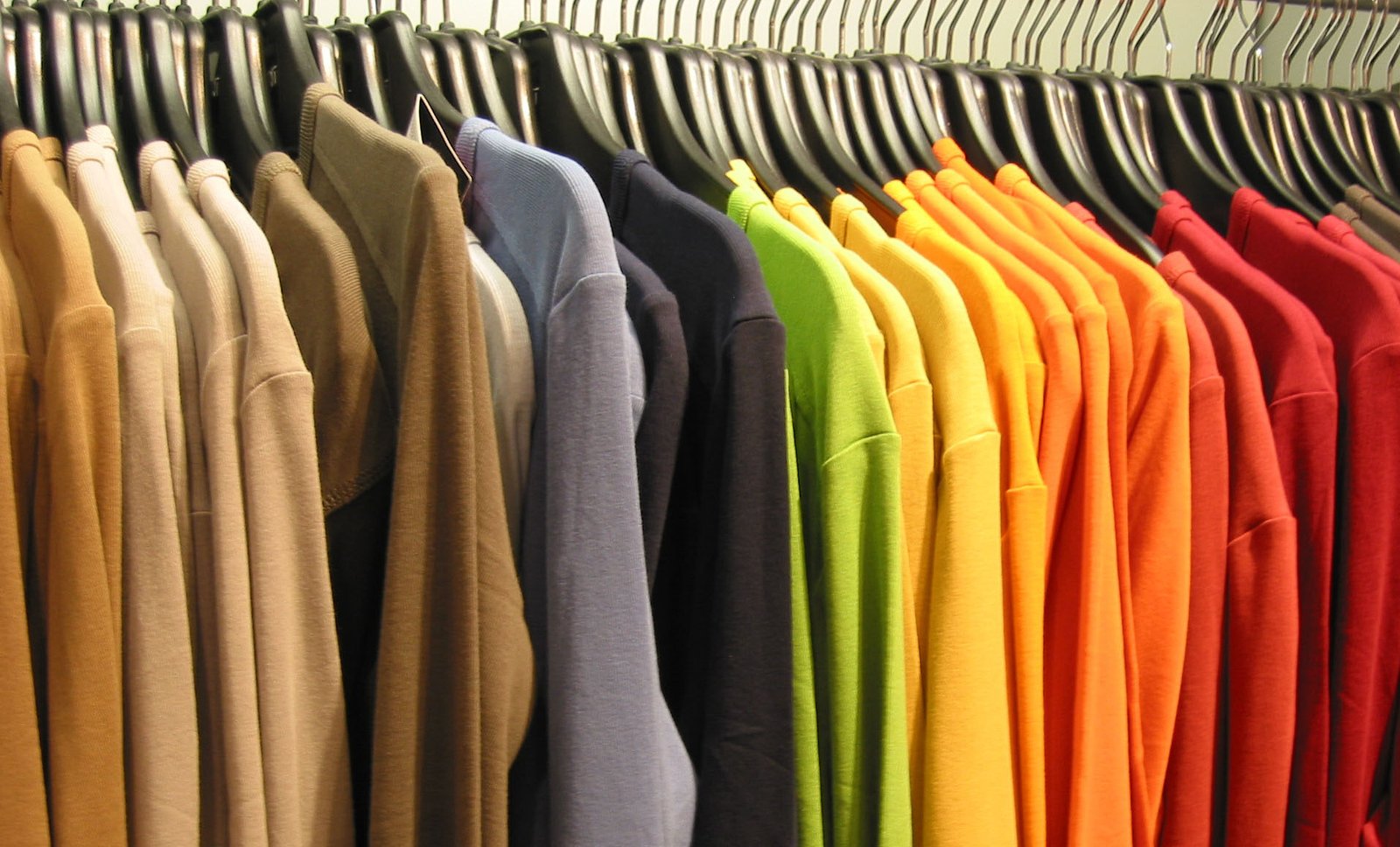
Photos illustrate Namakool product options, not uniforms supplied to a named retailer. Verify garment availability, fit, decoration and delivery terms for each order.