
Quick answer: For clinic reception and non-clinical wellness teams, choose comfortable, appropriately washable branded polos with clear identification and a documented size and logo specification. Ordinary promotional T-shirts are not medical PPE or a replacement for role-specific clinical uniforms.
A healthcare reception area should be welcoming, identifiable and professionally organised. Bulk clinic staff polo T-shirts can provide consistent dress for reception, patient coordination, administrative support and selected wellness teams. However, clothing used in patient-care procedures may have separate infection-control and protective requirements that a standard branded polo does not meet. This article is about conventional staff apparel, not clinical protective equipment.
Whether a buyer works with a dental practice, diagnostic centre, physiotherapy studio, therapy clinic or multi-branch wellness business, apparel should be selected with clear duties and laundry procedures in mind. Teams in Chandigarh, Panchkula, Mohali, Zirakpur, Kharar and other Indian cities can use these steps to request a meaningful custom quotation.
Useful starting framework: Define which employees may wear a standard polo, review the workplace dress and infection-control policy first, approve fabric and care samples and order by actual garment measurements.
| Role or activity | Garment direction | Decision criterion |
|---|---|---|
| Clinic reception | Structured polo with discreet logo | Professional fit and easy identification |
| Appointment coordinators | Comfortable branded top | Desk comfort and care instructions |
| Non-clinical wellness staff | Flexible-fit tee or polo | Movement and approved workplace policy |
| Outreach event volunteers | Campaign T-shirt | Event branding and distribution |
Define which clinic roles can wear a standard branded polo

Not every role in a clinic uses the same dress code. Front-desk coordinators and administrative employees may be able to wear company polos; staff providing clinical care might need uniforms or protective garments specified by their employer and infection-prevention team. Begin by separating non-clinical positions from patient-facing clinical work. Ask the clinical leadership to confirm which roles, work areas and situations permit ordinary branded apparel. This approval is more important than choosing a colour.
A clinic uniform is a communication tool as well as clothing. Patients should be able to identify where to ask for appointment information and which team members can answer administrative questions. If an employee has a clinical qualification, a polo alone should not be used to imply a role they are not performing. Use authorised badges and existing professional identification rules.
For healthcare organisations with several sites, maintain one role-based style guide. Specify which garments are approved for reception, event support and other non-clinical teams. Keep policies separate from marketing artwork so new branches do not accidentally order unsuitable clothing for clinical duties.
Select fabric by comfort, laundering and approved use

Cotton, polyester and blended fabrics can all be considered for ordinary reception uniforms, but their properties vary with knit and finish. Cotton may feel soft for everyday office wear; polyester-containing fabrics may offer different drying or wrinkle characteristics. Neither label by itself guarantees suitability for a clinic. Ask for the exact composition, approximate fabric weight, garment sample, colour options and care instructions.
Examine the polo collar, placket and neckline, especially when staff work long shifts and change positions between standing and sitting. A fabric that feels soft on a hanger may be too warm, transparent or restrictive during a full day. Light-coloured shirts deserve an opacity check under workplace lighting. Darker shades can be useful for visual identity but should also be evaluated against your brand palette and care process.
If the organisation has specified laundering, hygiene or infection-control requirements, the relevant professional must verify that the garments can be used and cleaned accordingly. Never infer that a cotton polo, a polyester polo or a marketing label such as “antimicrobial” complies with clinical protocols. Use supplier evidence and workplace policy instead of unverified online claims.
Make clinic branding clear, calm and respectful
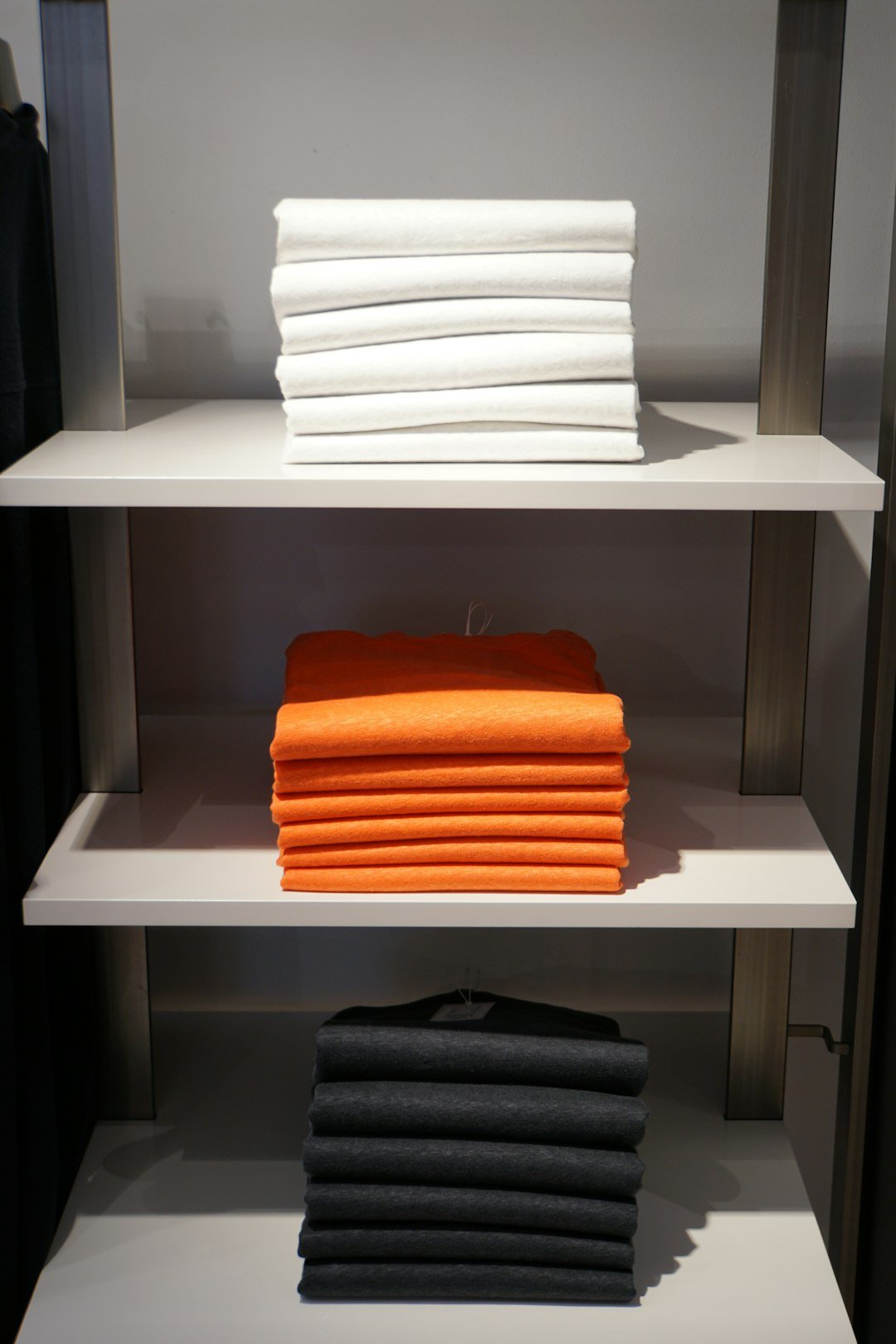
Clinic logos often work best as small, high-contrast marks rather than oversized promotional designs. A left-chest mark or modest sleeve emblem can identify the organisation while allowing existing name badges to remain visible. For a clinic reception team, the logo should be readable in normal lighting and at typical conversational distance. Do not crowd a shirt with treatment claims, certifications or professional titles that have not been approved.
A dental practice may favour a clean white or navy polo; a wellness studio might choose a warmer brand colour. These are design options, not rules. Use the actual fabric shade for artwork review, because the same logo can look very different on a light and dark shirt. Where patient privacy is important, avoid adding unnecessary personal information to garments.
Request one accurate sample showing logo size, location and final embroidery or printing method. For a small mark, embroidery may look appropriate on a structured polo, while printing can make sense for event-specific shirts. The garment and wash instructions should determine the method. For more detail, compare Namakool’s printing, DTF, DTG and embroidery guide.
Plan sizes fairly for a diverse care-support team
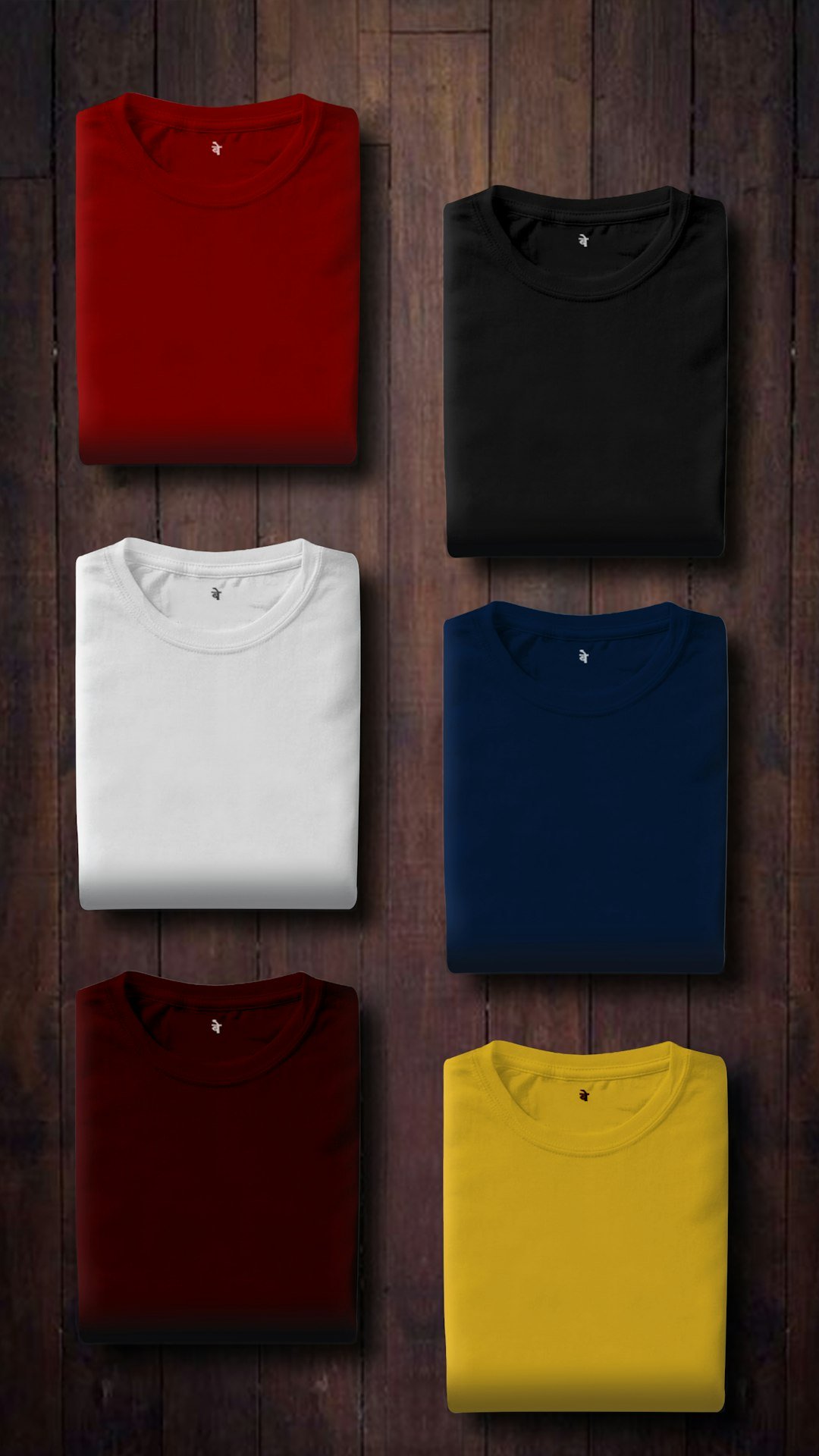
A uniform should allow staff to feel comfortable and move naturally. Avoid assigning sizes by a previous supplier’s label, by body type assumptions or by gender alone. Use a specific garment measurement chart with chest width, length, sleeve and shoulder dimensions as relevant. Explain whether measurements refer to a body or a flat garment. A sample-size set lets staff find a fit without disclosing more personal information than the purchase requires.
Offer appropriate fit options where the supplier can provide them and the clinic’s dress policy allows them. A too-tight garment may be uncomfortable at the desk, while an excessively loose one can appear untidy. A company can maintain consistent branding while allowing more than one approved cut. Record preferences by garment size and style rather than collecting unnecessary sensitive data.
Keep a controlled size-wise register and a realistic replacement allowance. Check availability of larger and smaller sizes before the first order is placed. If the clinic expects new hires, discuss reordering terms with the supplier instead of assuming a later small batch will be priced the same. The bulk sizing guide explains measurement basics.
Care instructions and quality checks for everyday uniforms

Reception garments may need regular washing and quick turnaround between shifts. Confirm the actual label instructions before choosing a base shirt. Wash a sample using the permitted method, then check for colour change, visible shrinkage, twisting, collar movement and logo distortion. Inspect the stitch quality and whether buttons are secure. Do not accept the phrase “easy care” as proof of performance unless sample use supports it.
A clinic with a laundry service should verify handling with the service provider. Garments that require special treatment may not be practical if the organisation needs frequent low-effort changes. Ask about replacement supply for damaged or stained garments and retain the approved sample so later items can be compared.
Any claim of protective, hygienic or medically suitable performance requires separate, credible evidence. Refer to your own infection prevention professionals for guidance relevant to the setting. The Bureau of Indian Standards is a general source on applicable standards, but linking to BIS does not establish that a particular apparel item is compliant or certified.
Compare custom logo printing and embroidery carefully
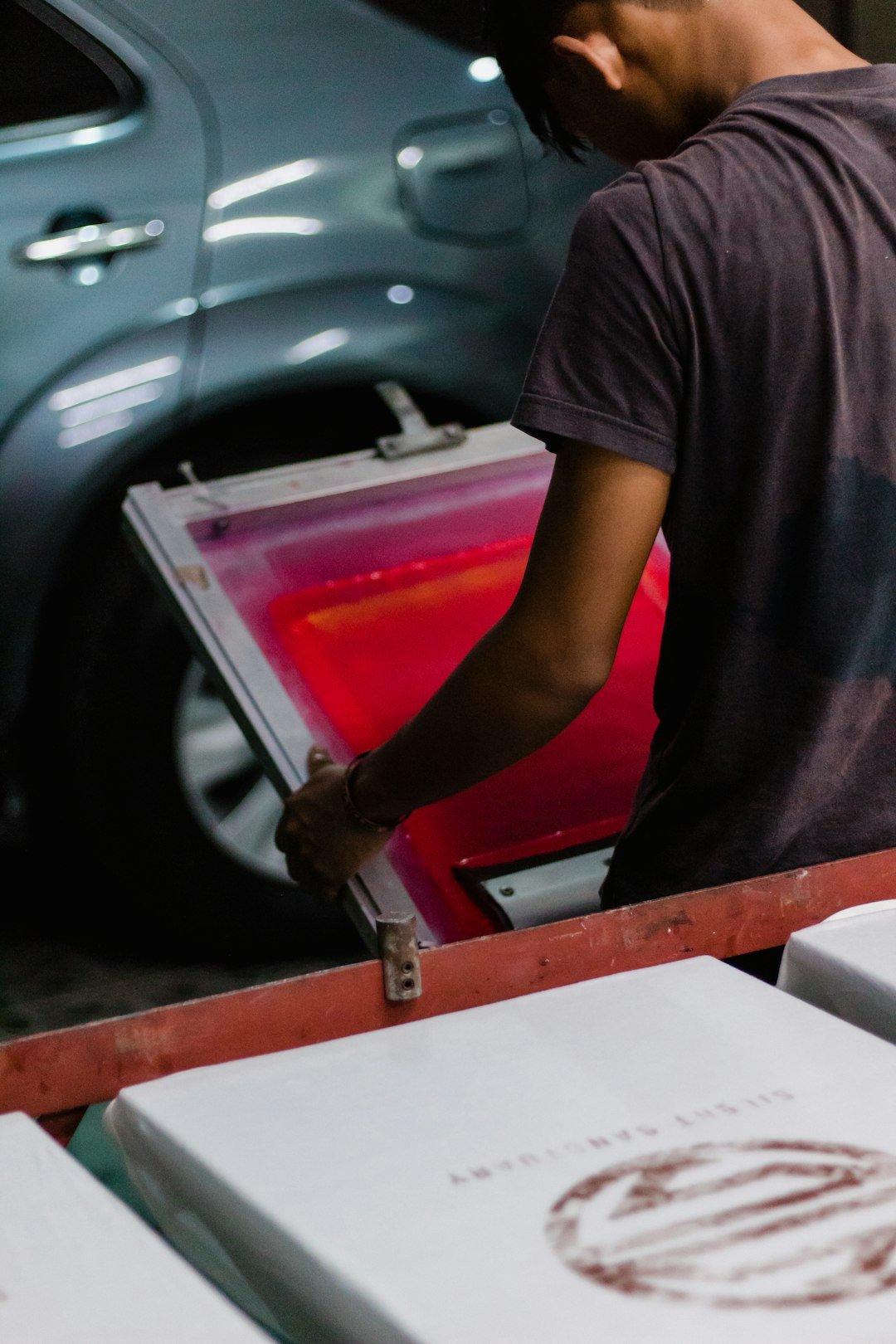
The right decoration technique depends on garment type, artwork complexity and how the shirt will be washed. Small embroidery can work on certain polo fabrics but may require a backing and should be assessed for comfort. Printed artwork can carry more colours or graphic detail, depending on the technique and substrate. Test the approved method on the chosen sample fabric before requesting a full run.
Check spelling, colour matching and the scale of logos on small and large garments. A crest that is sharp on a design file can become unreadable if the lettering is too fine. Be cautious about printing phone numbers, addresses or unapproved health claims on staff garments. In a clinical environment, a changing service line or phone number might make an otherwise usable shirt obsolete.
Ask for a proof showing placement dimensions and a sample confirming how the decoration behaves during care. If different branches use different names beneath one group logo, manage those as controlled variants rather than sending separate, inconsistent artwork by messaging app.
Budget and procurement checklist for clinic polos

The quoted unit price is only part of the order budget. Request a clear breakdown for base shirts, embroidered or printed logos, samples, size mix, artwork setup, packaging, tax and delivery. Ask whether quantities across sizes qualify for one price tier and if a different fit changes the calculation. Small repeat orders may cost more per unit, so plan a modest replacement stock where justified.
Create one written order sheet listing approved garment code, colour, fabric, size-wise quantity, print method, logo placement, delivery postcode and responsible sign-off. Include an inspection process when cartons arrive. The person receiving stock should count by size and compare the items with the approved sample, not just sign the courier receipt.
For a clinic group, label garments by branch and role. Keep a record of which department can wear each item under the dress policy. This helps prevent a receptionist’s uniform from being treated as interchangeable with procedural clothing. The process is more important than a fashionable trend: staff comfort and correct role identification should be the deciding factors.
Ordering clinic staff polos in Chandigarh and across India
A buyer in Chandigarh, Panchkula, Mohali, Zirakpur or Kharar can prepare a quote request with clinic type, approved garment use, quantities, logo file and delivery PIN code. Buyers elsewhere in India should provide the same details. Avoid assuming that a uniform supplier offers a visit, specialised clinical garment certification or a guaranteed shipment schedule without written confirmation.
Start with the Namakool bulk polo guide for polo enquiries, or the plain cotton T-shirt page for ordinary outreach event apparel. State clearly if you only need non-clinical uniforms. This reduces confusion at the quotation stage.
If your organisation operates multiple branches, include a distribution plan and authorised branding contact. Keep garment approvals separate from clinical policy approvals, and ask the supplier to confirm the final specifications and logistics in writing. A careful enquiry supports efficient purchasing without making unsupported medical or safety promises.
Clinic reception uniform specification and approval example

Imagine a healthcare practice preparing a small coordinated apparel order for reception, appointment booking and outreach event staff. Suppose it needs 14 reception polos and 30 event T-shirts. These are illustrative quantities, not Namakool’s minimum order. Before sourcing, a responsible manager should confirm that the ordinary branded garments are permitted for those non-clinical duties. The employer’s dress and infection-control policies come first. A casual event shirt should not be reassigned to a clinical task simply because it displays the clinic’s name.
Create two distinct item specifications. For reception, record the required appearance, colour, polo construction, size range, discreet logo, expected wash method and any restriction on additional text. For a wellness or outreach event, include the campaign name, intended audience, fit, artwork and distribution date. The group may keep a consistent visual identity but still choose different fabrics or logo placements. A shared logo file with separate approved mockups avoids errors when a supplier receives requests from several departments.
A practical try-on session can be organised without collecting sensitive employee information. Provide several sample sizes of the actual approved pattern and ask staff to choose the garment size and fit that feels comfortable while standing, reaching and sitting. The purchase sheet only needs the aggregated quantity by size. Keep clothing measurements separate from clinical or personal records, and avoid creating unnecessary lists of staff body measurements. Confirm whether different cuts can be mixed in one order or require separate quotations.
Review the laundering process with the clinic’s designated policy owner. Follow the sample care label and record shrinkage, collar changes, visible colour loss and decoration condition after ordinary washing. A marketing phrase such as “antibacterial fabric” should never be treated as an infection-control approval. If the work needs specified protective clothing, the appropriate professional must identify and verify it independently. This document is deliberately for branded administrative or outreach apparel, not sterile garments, procedure clothing or personal protective equipment.
Create a pre-production checklist with the logo artwork version, final garment shade, sample acceptance, decoration dimensions, quantity matrix, delivery postcode and receiving contact. Ask the buyer to approve the exact total including sample fees, tax, packing, transport and any individual decoration. A clinic purchasing manager may compare two materials, but each quote should use the same specification and clearly state what is included. The aim is an auditable purchase, not a claim that one fibre or print method is medically superior.
On delivery, sample several sizes, check the printed or embroidered logo against the approved artwork and count units by style and size. Record issues before distribution where possible. For later replacement orders, retain the approved sample, supplier style information, fabric composition and colour reference. If different branches order independently, designate one owner of the master branding file to prevent variations in shade or logo size. This process keeps reception staff recognisable while maintaining a clear boundary between ordinary apparel decisions and clinical safety requirements.
Frequently asked questions: clinic staff polo T-shirts in bulk
Can clinic reception teams wear branded polos?
That depends on the clinic’s dress policy and role. Standard polos may be considered for non-clinical duties after internal approval.
Are custom clinic T-shirts medical PPE?
No. Ordinary branded T-shirts should not be represented as protective equipment or a replacement for required clinical clothing.
Is cotton or polyester better for clinic uniforms?
Compare fabric samples against comfort, workplace policy and permitted laundering. No material is automatically suitable for every setting.
Can we embroider a clinic logo?
Embroidery can be suitable for some polos. Confirm size, design and washing compatibility with a sample.
What if multiple branches need different sizes?
Prepare a location-wise size matrix and request separate packing labels and shipment terms.
What is needed for a custom quote?
Garment use, size quantities, desired fabric, artwork, delivery PIN code and target date are useful starting details.
Request a clinic staff polo T-shirt quotation from Namakool
For ordinary reception and wellness-team apparel, share your clinic or practice name, approved roles, garment preference, quantity by size, logo design, delivery postcode and date. Ask about sample approval, laundering guidance, exact MOQ and price. State plainly whether the order excludes protective or clinical-duty uniforms so that the scope is clear.
Enquire: Contact Namakool or WhatsApp +91 72900 08585. Also see custom T-shirt printing in bulk, plain cotton T-shirts and bulk polo T-shirts.
This is an educational buyer’s guide. Availability, quantities, pricing, production timing and product characteristics should always be confirmed in writing before placing an order.