
Construction site-office polos and team T-shirts help organisations present a consistent identity, but a good bulk order begins with actual wearer needs, not a logo pasted onto the cheapest available shirt. This practical Indian buyer’s guide explains what to select, which details to approve, and how to reduce avoidable surprises when buying construction site-office polos and team T-shirts.
The intended buyers include construction contractors, property developers, site administrators, facility managers and project purchasing teams. Their day-to-day requirements are not identical: the garments may be used for a project sales office, contractor induction day, administrative coordination between project sites, and routine non-hazardous facility visits. Before requesting an exact quotation, make a list of who will wear the garments, when they are needed, which artwork is approved, and how many units are required in each fit. That brief is more useful than a vague message asking only for a per-piece rate.
Quick answer: To order construction team polo t-shirts in bulk, start with an approved design, confirmed quantity and size chart, a fabric and decoration sample, and a written delivery specification. Compare total costs rather than only base garment prices. Request a customised Namakool bulk-order quote once these essentials are ready. This article is a purchasing guide, not a guarantee of particular stock, pricing or turnaround.
Why construction site-office polos and team T-shirts require a specific purchasing plan
Role identification, practical fabric care, comfortable movement and strict separation between ordinary team apparel and required personal protective equipment. Before approving the batch, have the site safety or HR lead verify where these garments may be worn and where PPE is still compulsory. Try the sample with an ID lanyard and any required outer layer to check for neck rubbing and hidden marks. Inspect stitching at stress points, garment length, hem shape and print placement. Document all approved attributes and make sure the purchasing team does not describe an ordinary polo as certified protective equipment.
The key participants are site office staff, project coordinators, supervisors and non-hazardous support roles. Their responsibilities determine whether one garment specification will work for everybody. For example, a project sales office, contractor induction day, administrative coordination between project sites, and routine non-hazardous facility visits. Map each task to its garment requirements instead of starting with a single catalogue image. An organiser should sign off the actual brief, not just approve a design that looks good on a screen.
Make a first-pass purchasing sheet with these columns: wearer group, planned quantity, garment type, colour, size range, branding position, intended use, need-by date and receiving location. A separate line for each subgroup makes mistakes visible early. If the project includes a public event, new-staff onboarding or seasonal use, distinguish the date by which the garment must be wearable from the earlier date on which production must be approved.
Best fabrics and garment construction for construction team polo t-shirts in bulk
Treat ordinary polos and T-shirts as workplace identity garments, not safety equipment. If a risk assessment or site rule requires certified high-visibility apparel, flame resistance, arc protection or another protective property, source the correct compliant PPE separately. For low-risk site-office work, choose a fabric comfortable in local heat, with enough body to hold its shape over repeated wears. Cotton can feel soft, while suitable blends may simplify care. Test a sample for opacity, movement, colour performance and easy laundering. Avoid inferring protection from bright colours or a thick-looking GSM.
For any sizeable order, ask for a physical sample that matches the proposed bulk specification. Fabric feel, dye shade and opacity cannot be fully judged from catalogue photography. If you have a sustainability goal, ask the supplier for evidence behind a claim rather than using labels such as “eco-friendly” as a substitute for documentation. The Textile Exchange materials resources offer background on textile material choices; they do not independently verify a particular Namakool product.
Compare two or three realistic options under the same test: wearer comfort, seam integrity, neckline shape, laundering requirements and compatibility with the logo treatment. You can also consult our cotton, polyester and blend comparison before finalising the enquiry. Record the selected garment specification in writing so it is not quietly changed later.
Logo placement, colours and visual design
Differentiate the contractor, project and department without turning shirts into a patchwork of logos. A small company mark on the chest and a clearly readable team or visitor designation may be enough for office-facing roles. Contrast is important in dusty environments, but a bright branded tee is not the equivalent of safety-rated visibility gear. Avoid printing role titles that create false authority or conflict with actual identification badges. Check whether a high-visibility vest or prescribed PPE will cover branding during site access.
Prepare vector artwork where available, plus a high-resolution reference and the precise wording to print. State where the logo should sit, its approximate physical width in centimetres, the number of colours and the background fabric shade. A clear file name with a version number helps teams avoid printing an earlier campaign design. Never assume that a mockup on white fabric shows how a logo will look on black, maroon or navy.
Ask the person responsible for brand standards to approve both the front and the back, even when one side is intentionally blank. If a logo belongs to a partner, sponsor, artist or outside institution, ensure you have permission for its intended use. Test readability at ordinary viewing distance, not only on a zoomed-in artwork screen. For repeat orders, keep a signed sample photo and colour reference.
Printing, DTF and embroidery: selecting a suitable decoration method
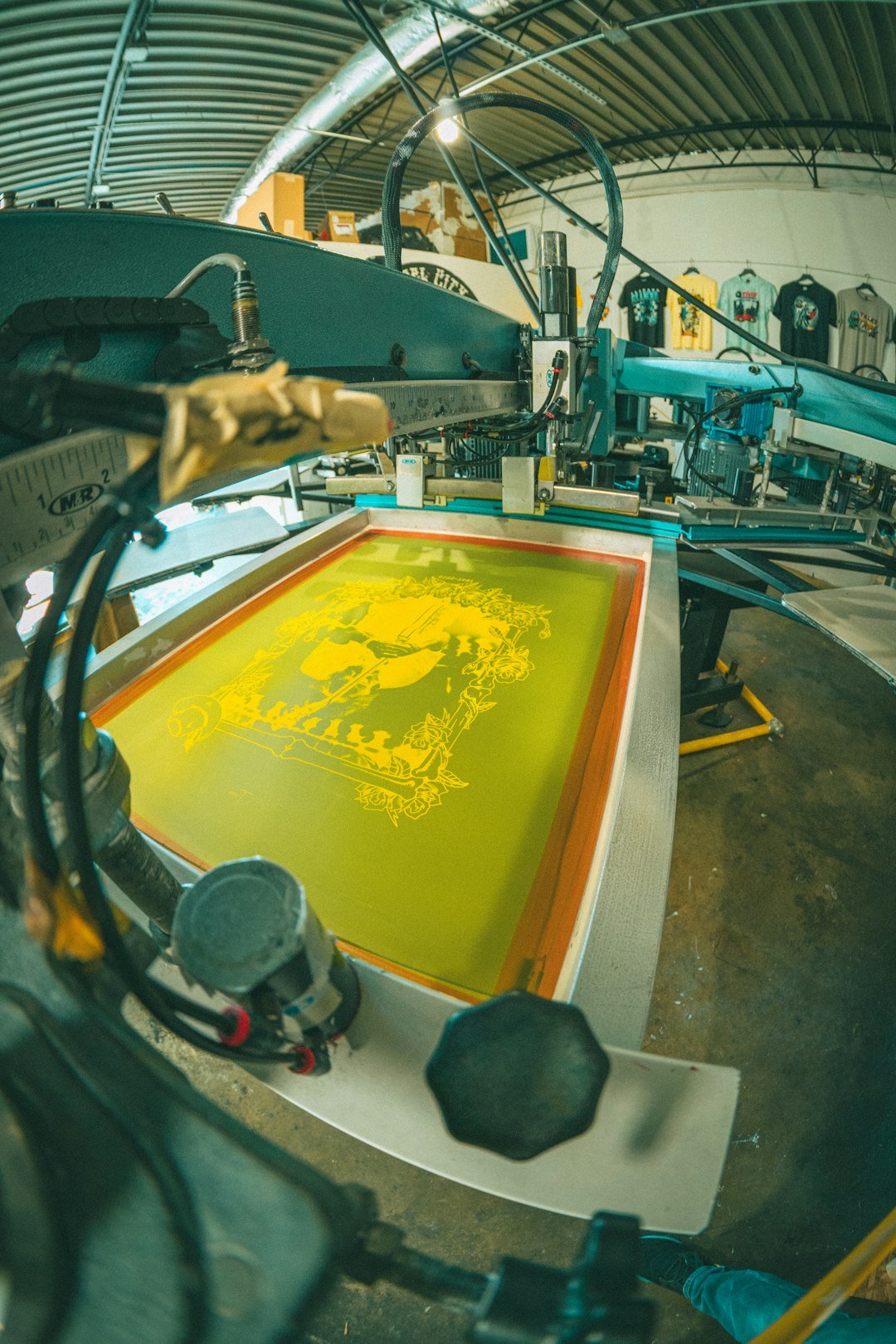
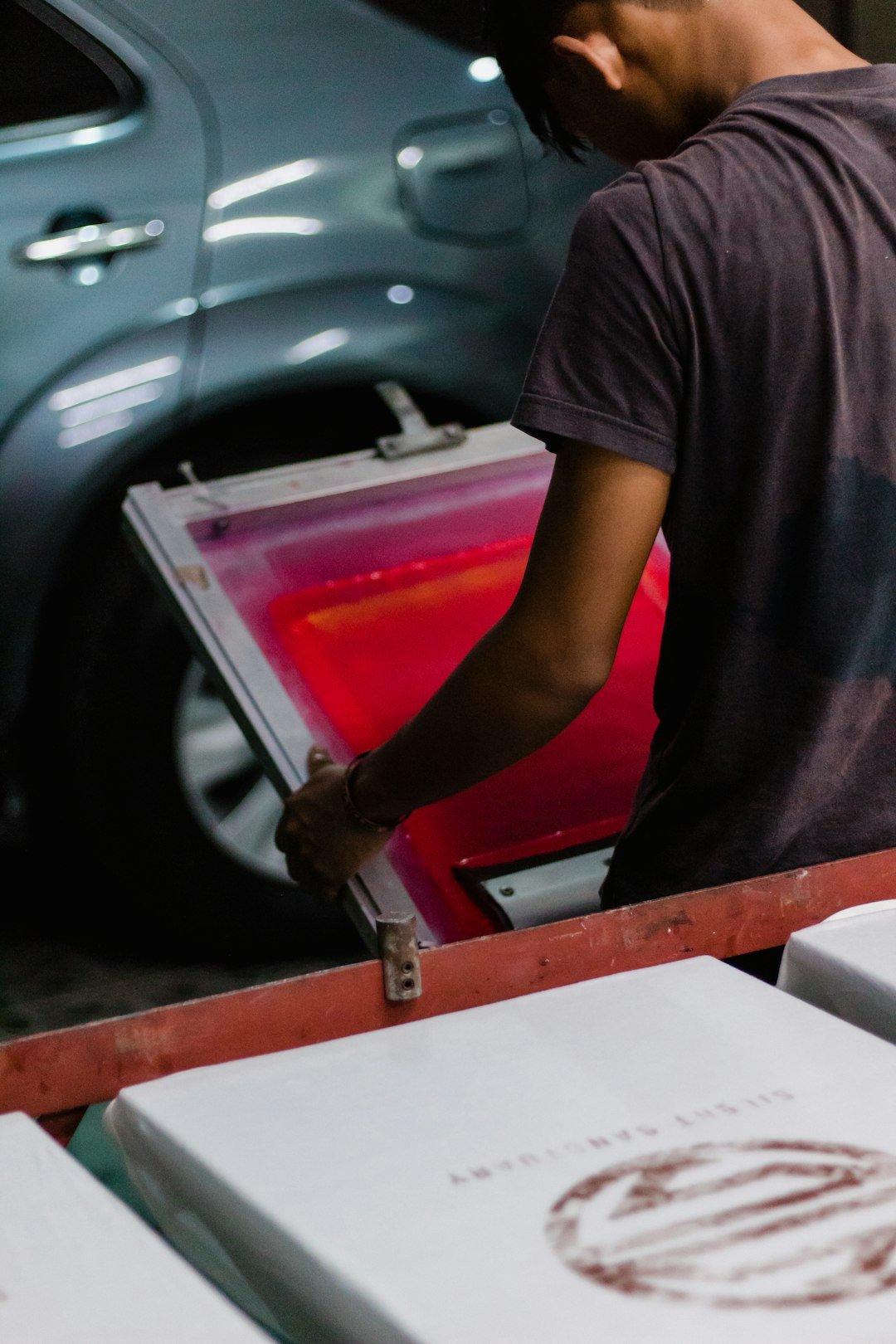
Embroidery may produce a professional appearance on a structured polo for site office staff. Screen printing or DTF may suit broader graphic treatments depending on the artwork, order size and fabric. A garment that gets rubbed by equipment straps or laundered frequently deserves a real-world durability test. Place logos away from seams, collars and areas normally covered by a vest. Ask for a finished sample and check its comfort under any other required clothing.
Different decoration methods change hand-feel, appearance and costing. Detailed multicolour artwork, a small embroidered crest and a simple large-volume logo are not automatically best served by the same process. Discuss screen printing, DTF, DTG or embroidery in relation to the actual fabric, printed area, number of colours and order quantity. A supplier can explain what options are technically and commercially suitable, but request a finished proof before production.
Pay particular attention to how logos sit over seams and stretch areas. On garments used frequently, wash a decorated sample according to its label and inspect print edges, colour changes and comfort. A logo that looks crisp on delivery but feels irritating after a few hours may create poor staff or buyer experiences. Our custom T-shirt printing in bulk service page summarises the available enquiry options.
Size chart, fit trials and quantity distribution
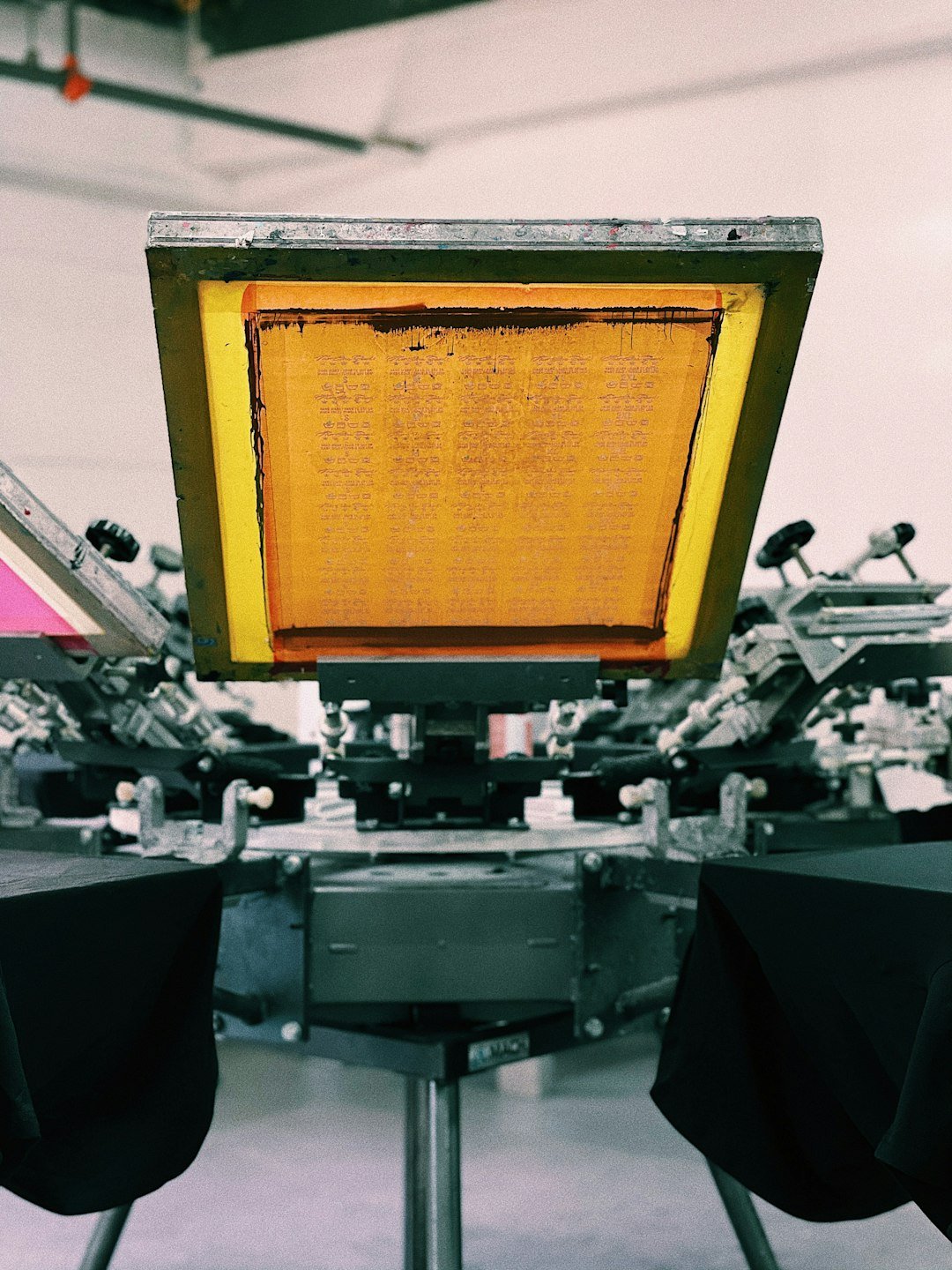
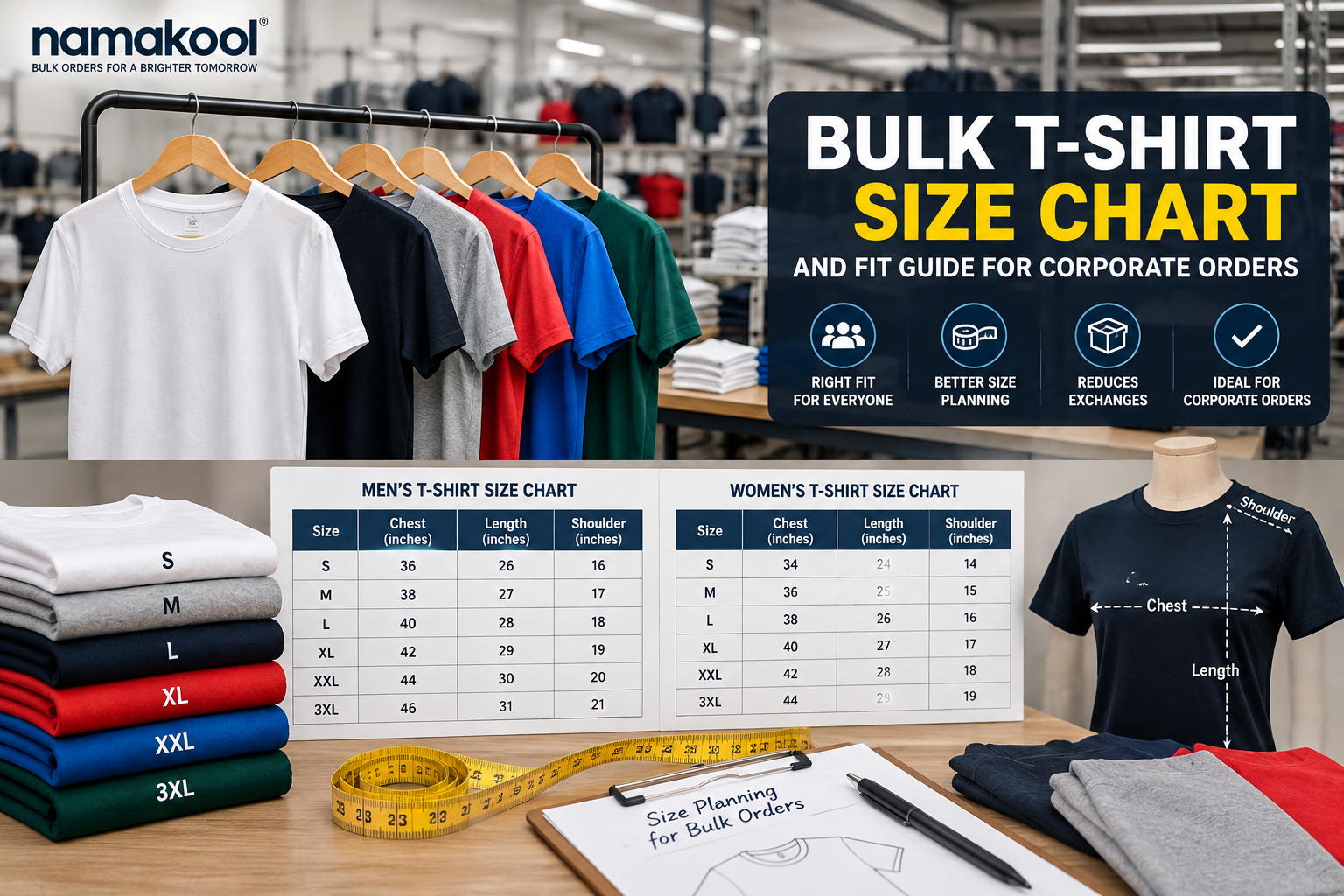
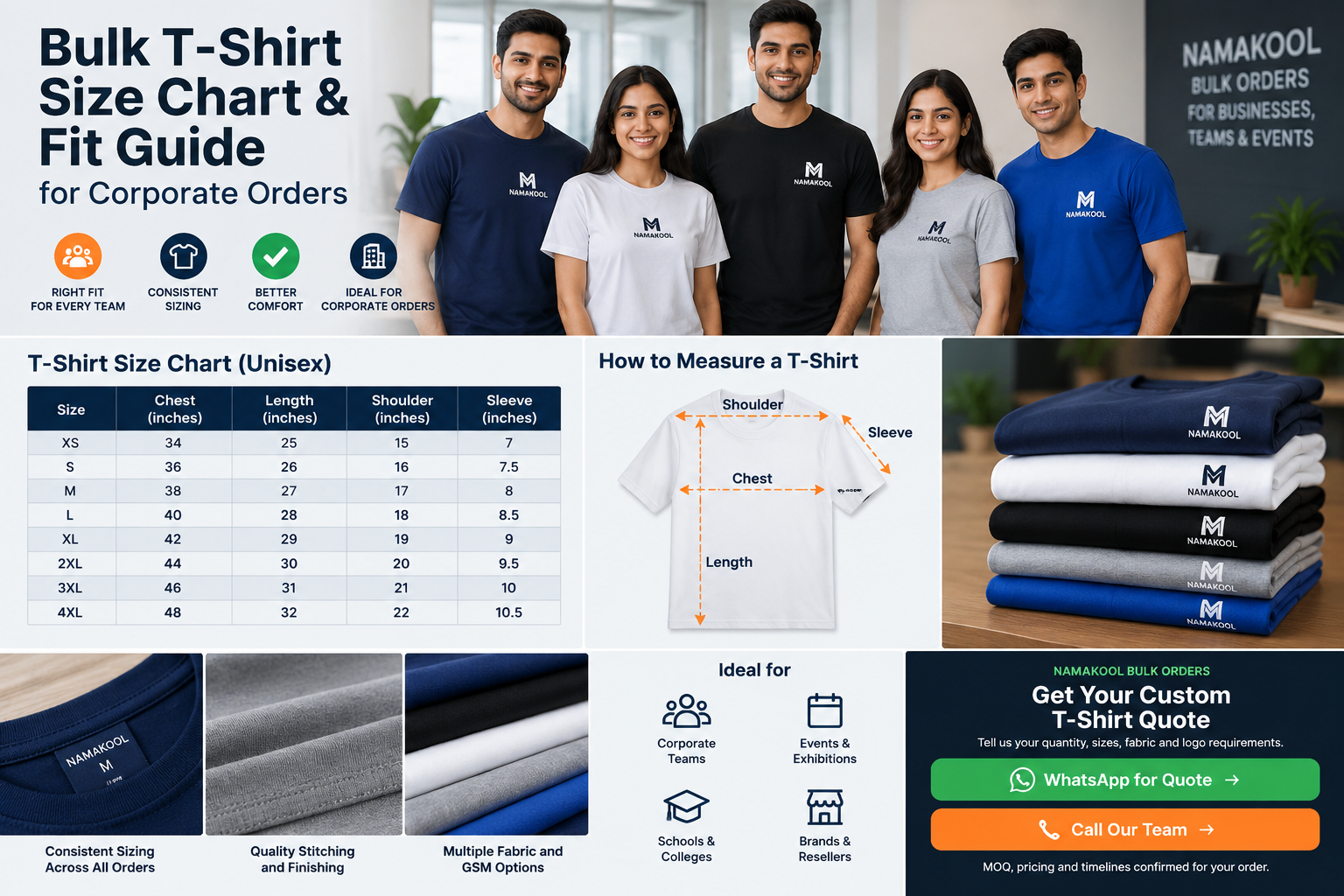
Size for the actual activities allowed under the site safety procedure: sitting, walking, paperwork, reaching and routine movement. Keep extra allowance for layering when weather changes, but avoid excessively loose fabric near machinery. Final clothing decisions for hazardous areas must come from the site safety team. Collect individual size selections instead of ordering a generic ratio, and make sure supervisors and admin teams have consistent fit options. Separate women’s, men’s and unisex size charts when those patterns are offered.
Start with garment measurements rather than abstract size names. Compare chest width, shoulder, length and sleeve across each offered cut. Use a measurement guide such as the Namakool bulk T-shirt size and fit guide, and confirm that the chart matches the particular product being ordered. Some employees or customers may choose a roomier fit; the coordinator should collect their preference without guessing from age or role.
Example planning matrix: Create rows for sizes XS, S, M, L, XL, XXL and any additional sizes actually available. Use columns for each branch, event site, team or design. Add a final row for agreed contingency stock, if any. Double-check that each column total matches the purchase order and that printed names, where requested, correspond to the correct size. A simple spreadsheet check catches many packing errors before dispatch.
Fit trials are especially useful if a garment will be layered, worn during repetitive movement or distributed to people who cannot exchange sizes on the day of an event. Agree in advance how an incorrect size, a garment defect and a late personal preference change will be handled; they are not the same issue.
What to approve before bulk production starts
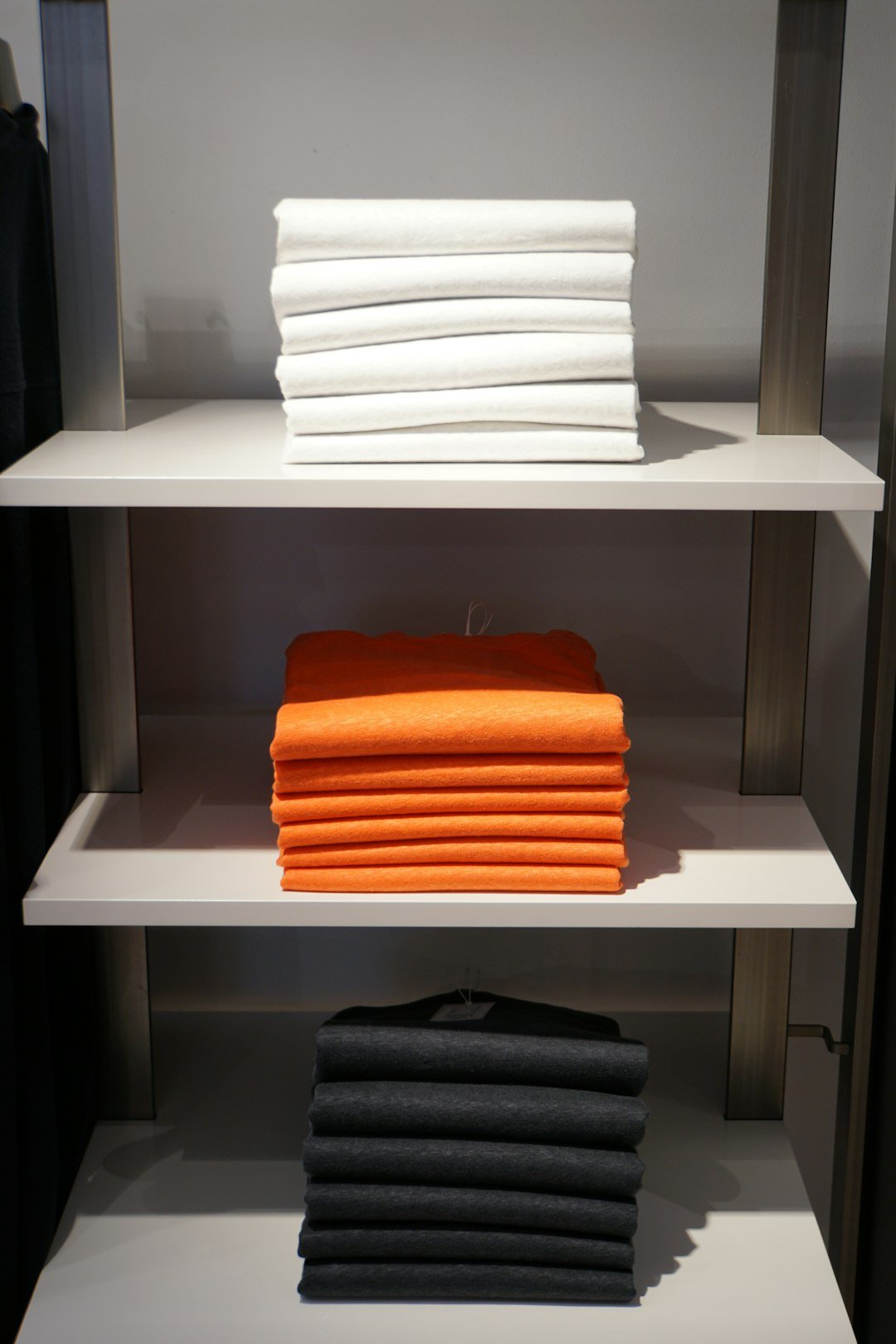
Before approving the batch, have the site safety or HR lead verify where these garments may be worn and where PPE is still compulsory. Try the sample with an ID lanyard and any required outer layer to check for neck rubbing and hidden marks. Inspect stitching at stress points, garment length, hem shape and print placement. Document all approved attributes and make sure the purchasing team does not describe an ordinary polo as certified protective equipment.
Use a written sample approval form rather than a casual chat message. The form should show the fabric composition, selected garment, colour, logo file version, physical logo placement, size reference, packing instructions and acceptance criteria. Ask to see photographs of both sides plus the actual decorated sample when practical. Any changes after approval should be recorded with the new price and schedule effect, if there is one.
A useful inspection separates garment quality from artwork quality. Review stitching, collar or hood construction, colour consistency and seams first; then assess logo accuracy, placement, alignment and durability. Try a small number of sample garments on representative wearers. If the final batch will be split across multiple sites, attach the site-wise packing matrix to this same approval record so a production team is not working from a different version.
How bulk pricing, minimum quantities and quotations work
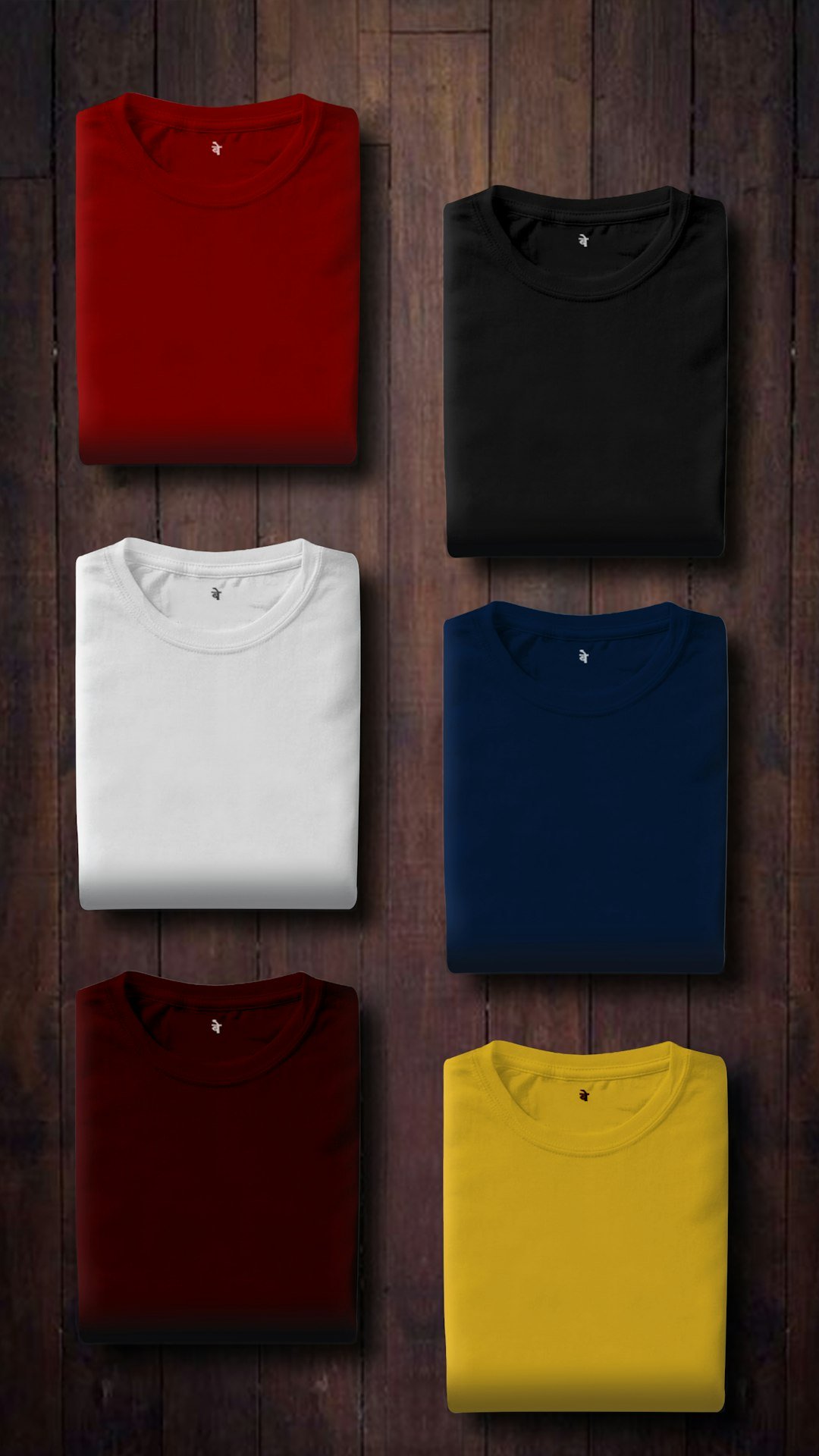
Price the actual wearer group rather than ordering one expensive specification for everybody. An embroidered polo for reception or office staff and a basic printed shirt for a non-hazardous training event may have different value. Identify printing positions, number of colours, quantities and pack-by-project needs in the RFQ. Costs depend on fabric, decoration, sizing, taxes where applicable and transport. Any separate certified PPE requirement should have its own specification and procurement process.
A meaningful quotation is specification-based. It should identify the garment type, selected fabric and weight where relevant, colour, size breakdown, decoration process, design dimensions, number of print locations, packaging, shipment addresses and applicable taxes. Ask whether sampling, setup or divided packing adds separate charges. Unit prices can vary with quantity and complexity, so no responsible guide can promise one universal rate or minimum order quantity for every garment.
Compare at least two viable specifications on total delivered cost and expected wear, not solely on the lowest headline number. For a fuller overview, read Namakool’s bulk T-shirt manufacturing cost guide. If your order must stay within a strict budget, tell the supplier the budget and essential constraints so they can suggest trade-offs without silently removing important features. Insist that the final quote clearly states what is included and what is not.
A sensible production calendar and delivery plan
Construction projects work to handover milestones and changing labour counts. Keep your uniform order tied to specific non-hazardous roles, site opening dates and an approved size list. Include time for proofing, safety review, production and dispatch. For multiple active projects, use project codes on packing lists rather than changing the garment design at the last moment. Agree on reordering procedures for new site-office hires and role changes.
Write down the steps in this order: brief approved → artwork checked → size totals locked → fabric/garment and print sample reviewed → purchase order accepted → production → quality inspection → packing → dispatch → receiving check. The exact time at each stage depends on stock, quantity, decoration and delivery arrangements, so treat any preliminary timeline as indicative until a supplier confirms it in writing.
Assign one contact person on the buyer side and one receiving contact for each destination. Keep an alternative plan for late individual size submissions instead of allowing every team member to revise the master order. Where a launch, opening, festival or winter rollout is involved, aim for receipt before the critical date so there is time to count boxes and handle any discrepancy. A courier tracking number alone is not the same as a counted, accepted delivery.
Bulk clothing enquiries in Chandigarh, Mohali, Panchkula and across India
For purchasing teams in Chandigarh, Mohali, Panchkula, Zirakpur and Kharar, provide a single group-wide branding guide but list each project site’s delivery instructions separately. Buyers coordinating projects across India should state whether one central receiving depot or individual project dispatches are required. Ask for availability and shipping terms in the written quote. Do not assume uniforms will arrive on a specific date until the supplier confirms it.
A city-specific order needs more than a location keyword. Include the exact recipient name, full delivery address, contact number for logistics, receiving hours and any building or venue restrictions. In the Chandigarh–Mohali–Panchkula region, suppliers and buyers may coordinate decisions quickly, but production location, shipping cost and delivery date still need explicit confirmation. For distant destinations in India, allow for branch-wise logistics and the possibility of separate freight terms.
Namakool buyers can begin with the bulk-order website and send their full specification through the contact and enquiry page. A tailored quote is more reliable than assuming that every garment, city and delivery combination is available at a fixed rate. Specify whether you need one consolidated shipment or segmented packs labelled by location.
Care instructions, repeat orders and long-term quality
Construction projects open and close, but staff identity needs remain. Keep the core company logo and a neutral design that can serve multiple offices. Use removable IDs or badges for changeable project assignments. Maintain the exact garment colour, artwork file, size counts and approval sample so reorders match. Wash-care compliance matters because construction-adjacent clothing may encounter dust and frequent cleaning; replace garments when worn rather than treating appearance as a sign of protection.
Give wearers the actual garment care guidance, not a generic internet instruction. Washing, drying and ironing needs depend on the fabric and decoration; the ISO 3758:2023 care labelling standard describes a system of textile care symbols but is not proof of a specific garment’s washing performance. If you need care labels or branded hangtags, confirm those elements during the sample stage.
Retain the approved sample, artwork files, size chart and supplier quote in a shared order folder. When the next team member joins or the next campaign begins, the buyer can reorder from a controlled specification rather than starting over. Also keep notes on the actual wear experience: how often the garments were used, which sizes were difficult to fit, and whether people liked the fabric. Practical feedback makes the next purchase more accurate.
Avoid these common bulk-order mistakes
Never use a standard T-shirt as a substitute for a safety vest or other site-mandated PPE, and never market ordinary bright shirts as certified high visibility. Avoid ordering for a changing workforce without a documented size plan, placing logos under a required vest, or describing all staff roles as interchangeable. A low-cost uniform that conflicts with site rules is not an efficient purchase. Safety requirements always take precedence over visual branding.
Also avoid sending low-resolution logos as the only art, relying on a verbal production date, skipping size charts, leaving the print position unspecified, and accepting a quote that does not explain shipping. It is safer to ask a direct question than discover an assumption after production. Never make unverified claims about certification, protective performance, recycled content or manufacturing origin on your finished garments.
Before final approval, ask five questions: Does the sample match what wearers need? Is every logo authorised and correctly spelt? Do size totals reconcile with location totals? Has the buyer approved a detailed written quote? Is the realistic receipt date confirmed? If any answer is uncertain, resolve it before authorising the full run. This discipline matters more than chasing a superficial SEO claim or an unrealistic bulk discount.
Frequently asked questions about construction team polo t-shirts in bulk
Q: Are branded construction polos PPE?
A: No. A conventional branded polo or T-shirt is ordinary work apparel and does not replace any site-mandated PPE. The site safety team must determine appropriate certified protective garments for each hazard.
Q: Can a bright orange T-shirt replace a high-visibility vest?
A: No. Colour alone does not establish a certified high-visibility protection level. Use apparel that meets the applicable safety specification when required by the site rules or risk assessment.
Q: Which staff can wear normal branded uniforms?
A: Site-office, sales, administrative or other non-hazardous roles may use ordinary branded apparel where permitted. The employer’s risk assessment and workplace rules determine when and where it is suitable.
Q: How do we select logos for different projects?
A: Keep the core company logo standard and use badges, pack labels or other changeable identifiers for projects when practical. Have the relevant manager approve any project-specific artwork.
Q: What should a construction uniform quote include?
A: Specify staff roles, quantities by size, fabric, colour, logo method, sample requirements, delivery points and requested dates. Keep PPE specifications separate from ordinary branded apparel.
Q: Can Namakool supply different branches?
A: Share the addresses and packing matrix when enquiring. Availability, shipping options and confirmed lead times should be established through an individual written quotation.
For broader questions, explore bulk T-shirt manufacturing in India or the relevant product page before making an enquiry. Product availability, final specifications and prices should be checked on the written quotation.
Get a tailored quote for construction site-office polos and team T-shirts
Namakool can discuss requirements for construction site-office polos and team T-shirts with buyers looking for a coordinated, clearly specified bulk order. The easiest starting point is a complete enquiry rather than just a desired unit price. Share your organisation, intended wearers, approximate quantities by size, artwork, garment references, required colours, expected use, shipping destination and deadline.
Use the Namakool bulk-order enquiry page to request details and a quotation. For T-shirts, see bulk T-shirt manufacturing; for winter layers, see bulk hoodies. Ask for a representative sample, confirmation of decoration method and a written lead time before paying. Clear requirements help avoid rework and lead to garments people actually use.
Editorial note: This guide offers practical purchasing considerations, not a published price list, a stock guarantee or a certification claim. Images are illustrative references from Namakool’s site media library.