
Corporate T-Shirts in Bulk by Namakool. Compare polos, cotton round-neck tees, mixed team sizes and custom logo options for offices, events and employee gifts. Plan your staff uniform requirement using actual published products, clear buying questions and a direct quotation process.
Buying uniforms for local teams? View our corporate clothing buying guides for Chandigarh, Mohali, Panchkula and Zirakpur. Share your garment references, employee sizes and delivery postcode for a relevant quotation.
Corporate T-Shirts in Bulk for Employees, Teams and Offices
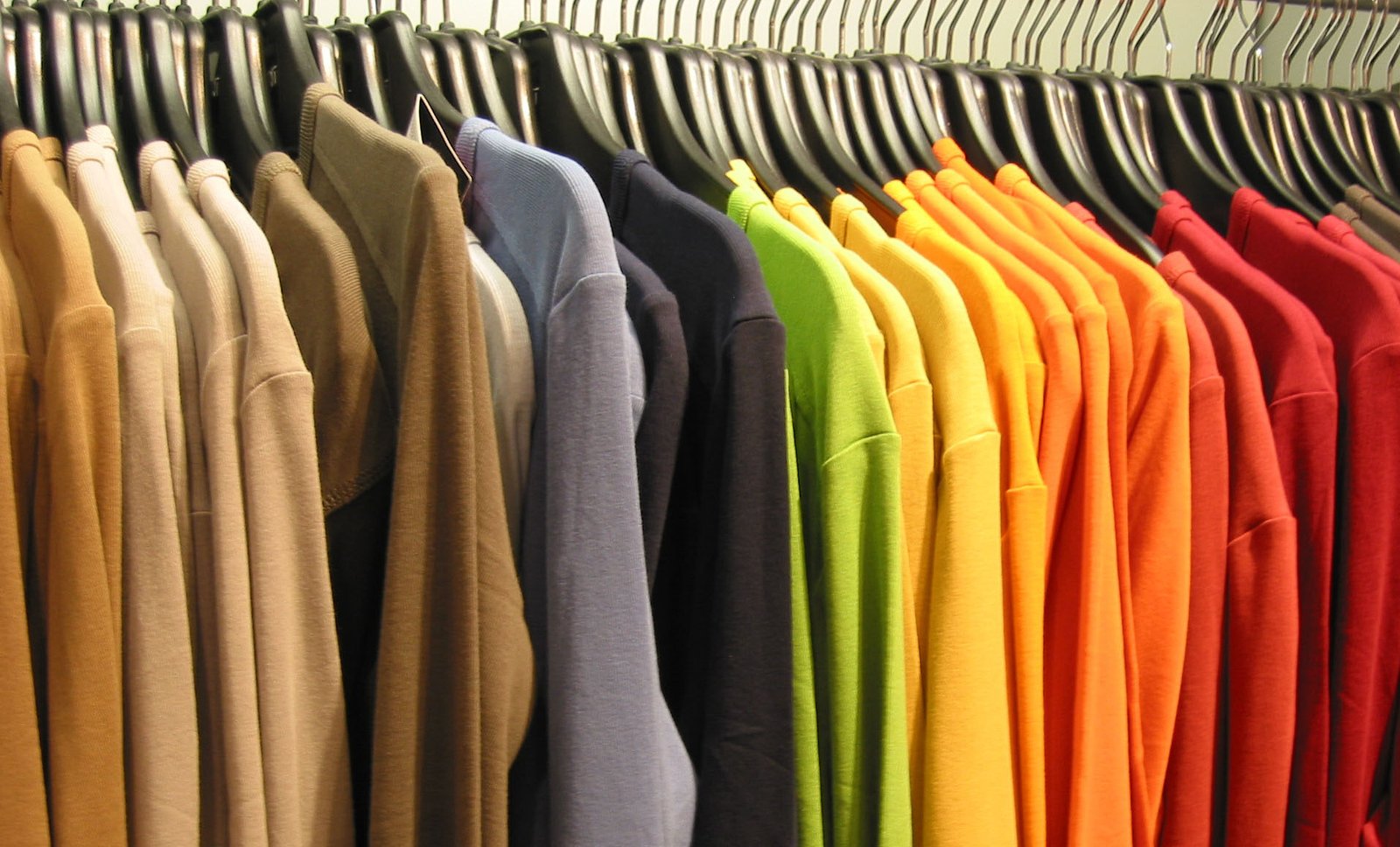
Planning corporate T-shirts in bulk? Namakool helps companies prepare custom T-shirt and polo uniform enquiries using real catalogue garments, logos and size-wise buying briefs. Corporate shirts can serve several purposes: regular staff uniforms, employee onboarding, internal campaigns, exhibitions, team days and branded events. A good order starts by identifying how the garments will actually be used, not just by deciding how many logos to print.
Our published catalogue has men’s round-neck cotton T-shirts, women’s round-neck T-shirts, men’s polos and women’s polos. These options provide a starting point for the buyer’s style, colour, fabric and size requirements. The final minimum order, branding process, unit cost, sample and delivery date should be confirmed for your specific company enquiry.
This page focuses on choosing, approving and procuring corporate apparel. If you want a general explanation of garments and manufacturing, see our bulk T-shirt manufacturing page. For detailed decoration comparisons, visit custom T-shirt printing in bulk. Keeping these decisions distinct makes it easier to obtain a quotation that reflects the actual needs of your organisation.
Corporate Polo T-Shirts vs Round-Neck Staff Uniforms

Polo shirts and round-neck T-shirts can both work for branded staff clothing, but they create different impressions. A polo with a collar can feel suitable for reception staff, customer-facing roles, exhibitions and some offices. A round-neck tee may feel more casual and practical for creative teams, volunteer activities, workshops or internal gatherings. Rather than forcing every department into one style, begin by discussing comfort and professional appearance with the people who will wear the clothing.
Compare Namakool’s men’s cotton polo and women’s polo, which specify 220 GSM cotton, with published cotton round-neck models specifying 180 GSM. These are different garments, so collar construction, fit and care may matter more than the difference in GSM alone. Ask for product-specific charts and colour options before making your selection.
In a procurement brief, label each requested style separately. If the office wants polo shirts while event volunteers prefer tees, you can submit a combined request with independent quantities, decoration requirements and size totals. The finished quote should show whether any difference in pricing, shipping or availability applies to the separate products.
Cotton Fabric and Comfort for Daily Employee Wear

Corporate garments are often worn repeatedly and sometimes for long working hours. Fabric composition, collar comfort, seam finish and wash care can influence whether employees are happy to wear them. GSM is helpful to compare material weight but cannot by itself tell you how comfortable, breathable or durable a shirt will be. The right choice also depends on the work setting, weather, frequency of use and whether the garment is worn under another layer.
Namakool lists 180 GSM cotton round-neck T-shirts and 220 GSM cotton polos among its current published products. When choosing an office uniform, consider the team’s expected temperature, movement, dress requirements and preferred cut. A structured polo may work well in some front-facing roles, while a cotton tee may be appropriate for internal programmes. Special fabrics or performance finishes not listed on the product page should be treated as custom enquiries, not assumed inventory.
Request a clear garment specification and, where useful, discuss sampling. Checking actual fabric feel, fit and logo placement before approving a larger quantity can reduce misunderstandings. See the cotton and polyester comparison guide and the GSM guide for a deeper look at buying factors.
Professional Company Logos: Embroidery or Custom Printing?

The logo is usually one of the first things an employee uniform buyer discusses. A small left-chest mark can create a neat appearance for a customer-facing team, while a back graphic may be useful for staff who must be recognised during an event. Sleeve details may add subtle identification when a company wants the front of the garment to remain simple. Ask for artwork approval that shows real-size dimensions and contrast on the selected fabric.
Embroidery and print methods have different strengths and limitations. A textured embroidered emblem can suit some polos but may not reproduce extremely fine wording or gradients without simplification. Printed approaches may handle certain illustrations differently depending on the process, garment and order requirements. Avoid choosing a method solely because it sounds premium. Share the original logo files and let the supplier confirm feasibility for that exact garment.
Explore the corporate polo branding guide and the custom bulk printing service page. Your quotation should distinguish a single logo position from an additional back or sleeve design, and it should describe any artwork, sample or labelling charge separately.
Men’s, Women’s and Mixed-Fit Corporate T-Shirt Orders

For organisations with varied roles and employee preferences, one size chart is rarely enough. Men’s, women’s, round-neck, polo and other cuts may use different garment measurements even when their size labels match. Providing appropriate choices can make a uniform programme more useful, but it requires the purchasing team to collect the chosen style as well as the required size. Avoid guessing how someone’s clothing should fit from their age, height or appearance.
Namakool publishes men’s and women’s polo and round-neck products, along with women’s longer-sleeve options and men’s full-sleeve T-shirts. A company can list its preferred combinations in one enquiry, but the supplier must confirm prices and variant availability separately. Do not assume that one colour is offered across every product style.
Prepare a spreadsheet with columns for team, style, colour, size and quantity. Share actual garment charts with recipients, then validate the totals and obtain final approval. If corporate clothing will be reordered regularly, keep the exact product references and approved measurements so the next order can be compared consistently. Our size and fit buying guide shows how to organise the data.
Employee Onboarding, New-Hire Kits and Company Merchandise

A new employee kit can help introduce a company culture when the items are practical. A branded cotton T-shirt is one possible starting point, but a team may prefer a polo, hoodie or a small coordinated collection. The goal should be to provide items employees can use. It is not necessary to fill a box with low-value giveaways simply because they accept a printed logo.
Namakool lists custom A5 notebooks and diaries, printed ceramic mugs, keyrings and apparel options. An HR team may enquire about several products in one project, but gift box assembly and bundled pricing should not be assumed. Confirm the quantities, specifications, separate artwork files, packaging needs and available delivery options for each component.
For a larger organisation, consider whether employees in different locations will receive the same kit or whether quantities need to be shipped to separate addresses. Ask for the proposed packing and freight arrangements rather than assuming a single shipment price applies to all destinations. For more ideas, the 2026 corporate merchandise trends guide discusses the differences between wearable merchandise and generic giveaway items.
Corporate Events, Exhibitions and Volunteer Team T-Shirts

Uniforms for exhibitions, launches, workshops and promotional activities have a different job from everyday office clothing. The event organisers may want easy-to-recognise staff, consistent colours and an approved logo visible at a distance. A round-neck cotton T-shirt can work for an informal event, while a polo may better fit a professional customer-facing setting. Choose the garment and design around the event’s actual needs rather than simply copying a popular trend.
Before ordering, identify how many team members need clothing, whether volunteers and supervisors need different colours, and whether the logo or event title should appear on the back. If several versions are necessary, provide a count for each version and ask the supplier to confirm any separate production cost. A clear size distribution is essential when the order must arrive for a particular launch or exhibition date.
Read Namakool’s promotional T-shirt guide to prepare the brief. Do not leave artwork approval, fit selection or freight planning until the final days before the event. Ask for a project-specific delivery estimate and clarify the date the goods must be in hand.
Workplace Brand Colours and Consistent Apparel Design

Brand colour consistency can make a mixed team look coordinated even when members choose different garment cuts. A business may use one approved colour for its primary uniform and a second shade for an alternative department or event crew. Consistency matters more than offering a very large palette. When creating a uniform brief, list your primary brand colour, approved logo versions and acceptable alternatives before speaking to the supplier.
A white logo may look clear on navy fabric but disappear on a pale background. Very small print or embroidery detail may also be difficult to read on some colours. Ask for a proof showing the actual garment shade and logo contrast, then confirm whether a separate design version is needed for another fabric colour. Phone screen colours may differ from physical garments and printed samples.
Namakool’s published T-shirt range includes multiple colours, but each product’s available variants must be checked individually. Do not promise a particular company-colour match or special dye finish without a supplier confirmation. If an exact brand shade matters, ask whether a fabric sample or physical print proof can be arranged before approving the bulk order.
Ordering for Multiple Offices and Company Locations

Some corporate buyers purchase for one office, while others need clothing distributed across several teams and cities. Multi-location orders require attention to sizes, packing, recipients and freight. A central purchasing team can reduce mistakes by creating one approved product specification and then splitting quantities by destination. The logo, garment reference and artwork proof should remain consistent unless a separate design is intentionally requested.
For each destination, list the postal address, receiving contact, size breakdown, department and intended delivery date. Ask the supplier how separate packages will be identified and whether shipping will be charged per destination. A quotation for one consolidated address may not cover multiple branch deliveries. Avoid planning complex distribution based on an unconfirmed courier assumption.
Office groups considering alternative cooler-season clothing can browse company hoodies and sweatshirts. Different garment types will require their own confirmation of prices, fit and printing feasibility. The Namakool order terms should be reviewed before approving artwork and payments for a multi-branch project.
A Sample Corporate Procurement Brief for 100 T-Shirts

Suppose a company is preparing an illustrative order for 100 printed shirts. It could create a size sheet of XS 5, S 15, M 30, L 25, XL 15 and 2XL 10, which totals 100 pieces. This is a mathematical example for procurement planning, not a recommendation for every company’s size mix and not an advertised Namakool price, minimum quantity or stock confirmation. Actual sizes should come from the recipients using the selected product chart.
A complete purchase brief should name the garment, colour, fabric if relevant, print or embroidery position, artwork dimensions, total sizes, target deadline and shipping address. If the group wants polos for management and round-neck tees for volunteers, split these into independent line items. Include any neck labels, packaging or individual names as separate requirements because they may add cost.
Ask for an itemised quotation covering base garments, decoration, artwork preparation or samples where relevant, GST, freight and commercial terms. Avoid comparing two suppliers on unit price alone unless the garments and services are exactly the same. Our bulk manufacturing cost guide discusses the factors in more detail. For tax-related background, refer to the official GST portal without treating an online content page as your final invoice.
Repeat Uniform Orders, Replenishment and Quality Checks

Corporate merchandise can become an ongoing purchasing need. Staff members join or leave, teams grow and uniforms become worn through ordinary use. A reliable replenishment process benefits from keeping the exact garment reference, approved size chart, logo file, decoration dimensions and previous order notes. Without that record, a second order may accidentally use a different fabric, colour or logo position.
For a recurring requirement, ask how long the chosen product, colour and fabric specification are likely to remain available. Do not assume perfect future continuity; a catalogue product may change or become unavailable. Confirm minimum quantities and revised pricing each time. It can be useful to retain an approved sample as a reference for shape, logo scale and garment colour, while understanding that natural batch differences may occur.
Before accepting a delivery, compare the pieces received with the approved quantity and size breakdown. Review the agreed logo placement, packing and visible workmanship. For any dispute or discrepancy, use the current purchasing terms and contact information rather than assuming an article supersedes the contract. See Namakool Contact and the returns policy for the published site information.
Corporate Apparel Enquiries in Chandigarh, Mohali, Panchkula and India

Corporate uniform buyers often search by city because local coordination and shipping matter. The best quotation still starts with a clear garment brief rather than a city keyword. Namakool has published guidance for buyers in Chandigarh, Mohali, Panchkula, Zirakpur and Kharar.
These local guides are intended for enquiry and delivery planning. They do not claim a separate manufacturing factory exists in every named city. The published contact page contains the company’s business contact in Baltana, Zirakpur and a Ludhiana factory address. Confirm visiting arrangements or shipping services before travelling or committing to a time-sensitive order.
If your organisation has branches elsewhere in India, submit the intended delivery cities and quantities, then discuss feasibility and freight with Namakool. Avoid assuming every destination receives the same delivery timeframe or price. A written quotation should clearly describe the products, decoration, GST and shipping terms applicable to your actual order.
Corporate T-Shirts in Bulk: Frequently Asked Questions

Are polo shirts better than round-neck tees for staff uniforms? Both are useful for different workplaces. Polos may suit customer-facing roles, while round-neck tees can fit creative or event environments. Select according to the dress code, recipients, climate and available garment fits.
Can we print the same logo across men’s and women’s sizes? You can submit a coordinated request. The supplier must check placement and dimensions for each garment style, as different cuts may need artwork adjustments.
Are embroidered logos available for corporate T-shirts? You may request embroidered branding, but the feasibility depends on the product, artwork detail, size and order quantity. The final method should be confirmed in the quote.
What is the minimum corporate T-shirt order? There is no universal minimum promised by this page. Ask for the exact garment and branding combination’s minimum quantity and price.
Can we mix polo and round-neck T-shirts? You may submit a mixed-style requirement. Provide separate sizes and quantities so stock, decoration and pricing can be confirmed per product.
Can we arrange uniforms for several company offices? Include destination postcodes, size distributions and timelines for each branch in the enquiry. Packing and freight arrangements must be confirmed separately.
How soon can our company receive the shirts? Timing depends on available stock, approval, production, packing and shipping. Get an order-specific written estimate before promising shirts for an event.
What information do we need for corporate bulk pricing? Product references, number of pieces, size mix, colours, artwork, branding locations, company name, delivery city and desired in-hand date.
Request Corporate T-Shirts, Polo Uniforms and Team Apparel

If your company is ready to order branded apparel, start with the Namakool T-shirt catalogue and choose suitable men’s, women’s or alternative fit options. For teams wanting a formal look, review the cotton polo products. For a more casual programme, consider round-neck cotton tees. Provide enough garment information for the supplier to understand what your workforce will actually receive.
Send the expected quantity, size distribution, approved company logo, chosen garment colours, preferred print or embroidery placement and delivery date. If you need gift items, labels or multiple shipments, list these separately. Final stock availability, samples, minimum quantities, tax, freight and fulfilment terms must be confirmed for your purchase.
Corporate T-Shirt Bulk Pricing — Namakool
Tell us your company name, quantity, team sizes, product choice, logo placement and delivery city.
Catalogue images are illustrative. Product variations, logo processes, costs and delivery arrangements are specific to each company order. The information on this page is intended to help prepare a useful quotation request and does not replace final order terms.