
Quick answer: Choose hotel staff polo T-shirts by department, comfort, appearance and laundering needs. Confirm the fabric, logo sample, size range, cleaning routine, replacement plan and exact delivery schedule before placing a bulk order.
A hotel uniform is worn through long shifts, repeat laundry cycles and many guest interactions. A good polo shirt should support the role it is assigned to without making employees uncomfortable or creating unnecessary replacement costs. This guide is for hotel procurement managers, boutique property operators, resorts, serviced apartments and event teams seeking coordinated branded apparel.
Not every employee needs the same garment. A guest-facing team might need a more structured polo with subtle embroidery, while a casual activity team may be better served by a lightweight round-neck tee. Hotels in Chandigarh, Panchkula, Mohali, Zirakpur and other Indian locations can use the same practical specification sheet to compare suppliers without treating all departments as interchangeable.
Buyer snapshot: Separate housekeeping and event T-shirt requirements from reception polos, order a real fit sample, agree a written wash-care plan, and keep a repeat-order record.
| Use case | Suggested starting point | Check before approval |
|---|---|---|
| Front desk and concierge | Structured polo with discreet logo | Fit, collar shape and colour consistency |
| Housekeeping support teams | Comfortable, easy-care uniform T-shirt or polo | Wash frequency and movement |
| Resort activity staff | Lightweight branded tee | Outdoor comfort and visibility |
| Banquet and event crew | Role-specific shirt colour | Event deadline and logo approval |
Map different hotel departments to the right uniform
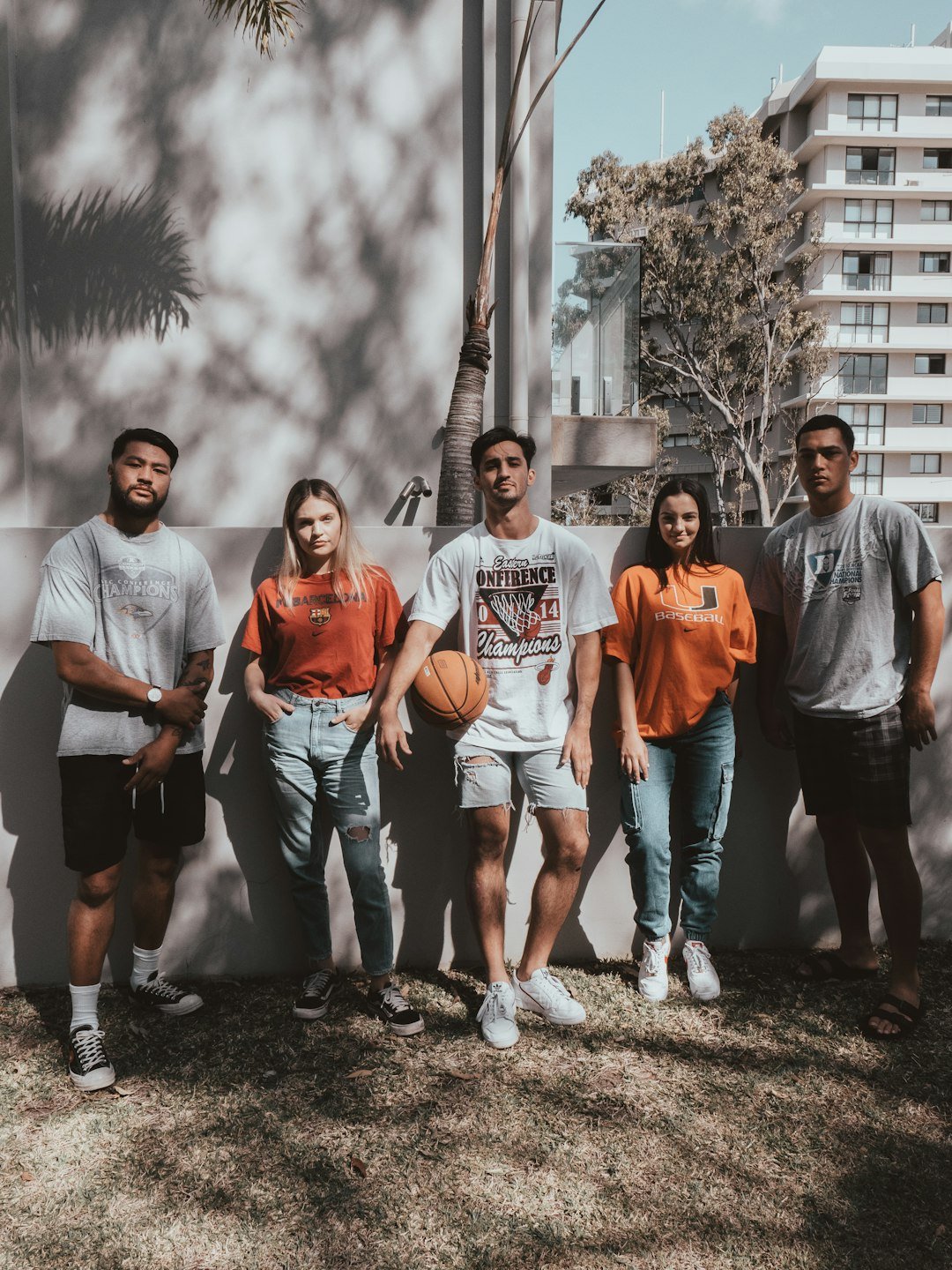
A property’s front-desk uniform carries a different visual job from a housekeeping support shirt or poolside activity top. Begin with a department matrix: reception, concierge, maintenance support, housekeeping, banquet service, recreation and event operations. For each, ask whether the garment is visible to guests, whether staff work indoors or outside, and whether the shift includes lifting, bending or long periods of standing. This mapping helps teams decide which departments should share a colour and which need a distinct treatment.
A dark polo with small embroidery may suit one reception concept, but could be uncomfortable for a staff member working outdoors in midday heat. A lightweight tee can be appropriate for informal activities while looking out of place at an upscale desk. Do not require every team to match if function and comfort differ. Make the common thread the logo, typography and approved brand palette rather than a single garment cut.
If uniform supply is shared by multiple managers, appoint one approver for the master design and let department leaders confirm only the fit and practical details for their own team. Keep a sample of the approved garment in the procurement file. A clothing order should translate the hotel’s service standards into measurable product requirements, not rely on a vague instruction like “make it premium”.
Compare fabric composition, GSM and daily comfort

Cotton, polyester and cotton blends behave differently in washing and use, and individual constructions within those categories also differ. Cotton jersey can feel soft and familiar; polyester-containing garments may offer faster drying or crease-management advantages depending on the material and finish. A blended polo can be a practical compromise, but a generic description is not enough for informed buying. Ask for a composition percentage, approximate GSM, fabric knit, sample garment and care label.
GSM is a fabric weight measure, not a quality score. A higher-GSM polo can have a substantial feel yet be too warm for a particular role; a light fabric can be comfortable but show undergarments or cling in ways the team dislikes. Evaluate the shirt in the actual intended colour because opacity and appearance can change between light and dark shades. Check collar shape, placket stitching, button security and shrinkage across the sample.
For long shifts, allow staff representatives to test how the garment performs when reaching, lifting and working around equipment. Ask a laundry lead to check care instructions and expected handling before the final purchase. Fabric recommendations should align with the property’s laundry method; avoid assuming a material is safe for industrial laundering unless the supplier provides supporting care and test information.
Plan a consistent hotel logo and department identification

Branding should help guests identify staff without making every garment look like advertising merchandise. A small embroidered mark on the chest often reads clearly on a polo; printed logos may be suitable for casual event tees or larger back identification. Keep the mark visible against the fabric colour and check the final scale on small and large sizes. A large logo that fits an extra-large shirt can overwhelm a small polo.
Consider whether job roles require an additional identifier. A detachable name badge is easier to update than permanently printing a staff member’s name on a shirt that might be reassigned. Hotel departments may benefit from a discreet colour cue or clearly labelled staff lanyard rather than an oversized text print. Maintain colour contrast, especially when shirts are used in lower-light corridors or outdoor areas.
Supply an approved vector logo, placement diagram, embroidery thread or print colour references and one signed mockup. If the hotel has a style manual, pass only the relevant specifications to the apparel vendor. Ask for a pre-production sample showing the actual mark, not just a digital image. Compare design choices in the Namakool bulk printing methods guide before confirming decoration.
Use the hotel’s laundry routine as a buying test
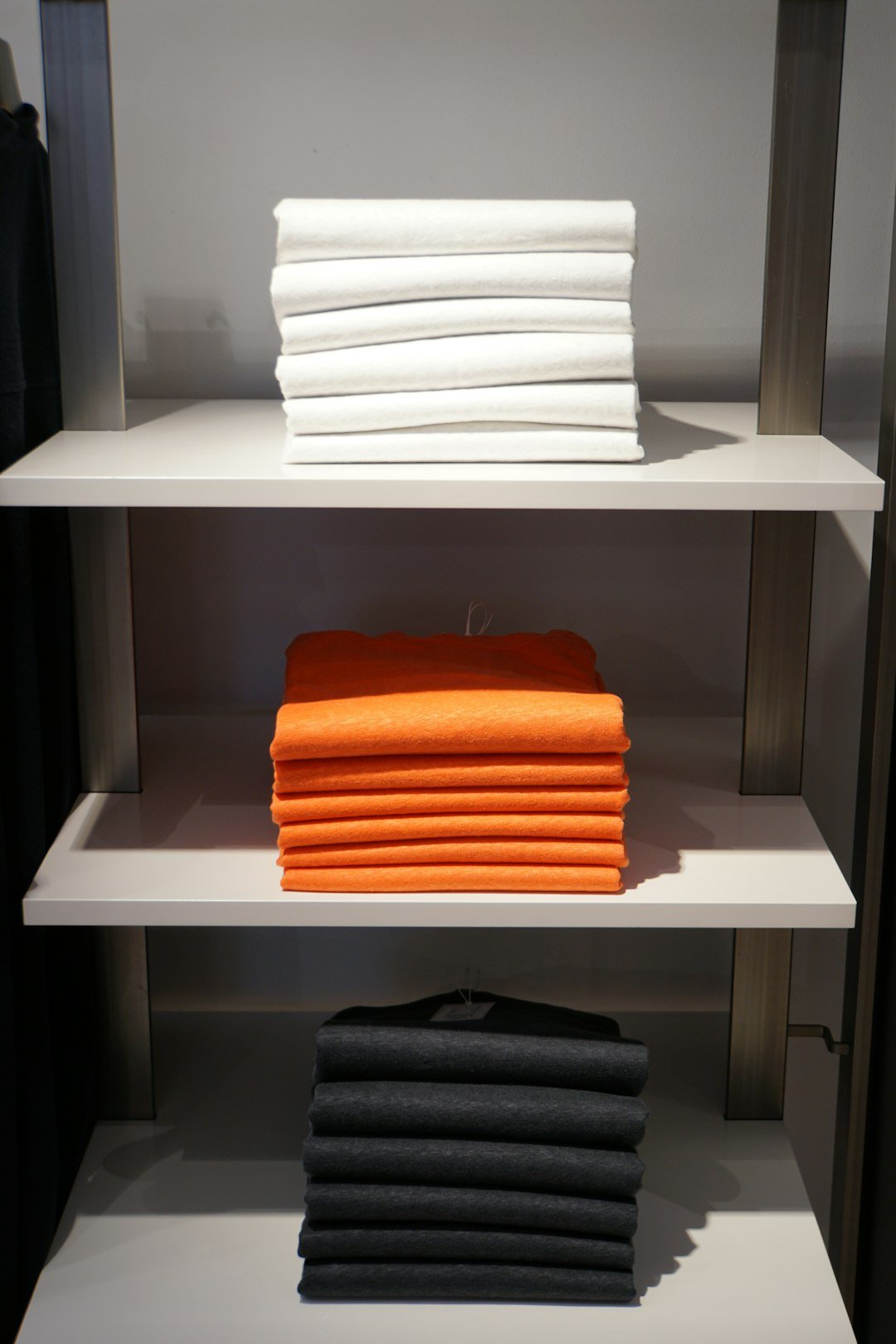
Uniform buying decisions should be checked against the actual washing and drying practice. A property using an outside laundry contractor has different handling from a small resort where staff care for their own garments. Ask how often shirts are washed, whether items are mixed by colour and whether a high-temperature wash is routinely used. Those facts determine which sample tests are worthwhile. Even the best-looking new polo can become a poor investment if collars lose shape or branding becomes distorted after regular laundering.
Wash the sample according to the garment label and inspect it after several cycles before approving a larger purchase. Compare chest measurements, body length, neckline, shade and print or embroidery finish with the untouched reference. Keep findings recorded so another buyer can understand why a particular fabric was chosen. Avoid making unsupported promises about shrink-free or colourfast performance without tested evidence.
A practical laundry note can be shared with staff during uniform issue: separate dark colours as recommended, follow care labels, avoid unsuitable heat for decorated areas and report early damage. Care instructions from the actual fabric supplier matter more than broad online advice. Buyers seeking general information on product standards can consult the Bureau of Indian Standards, but no third-party certification should be implied without documentation.
Get hotel uniform sizes right, including replacement stock
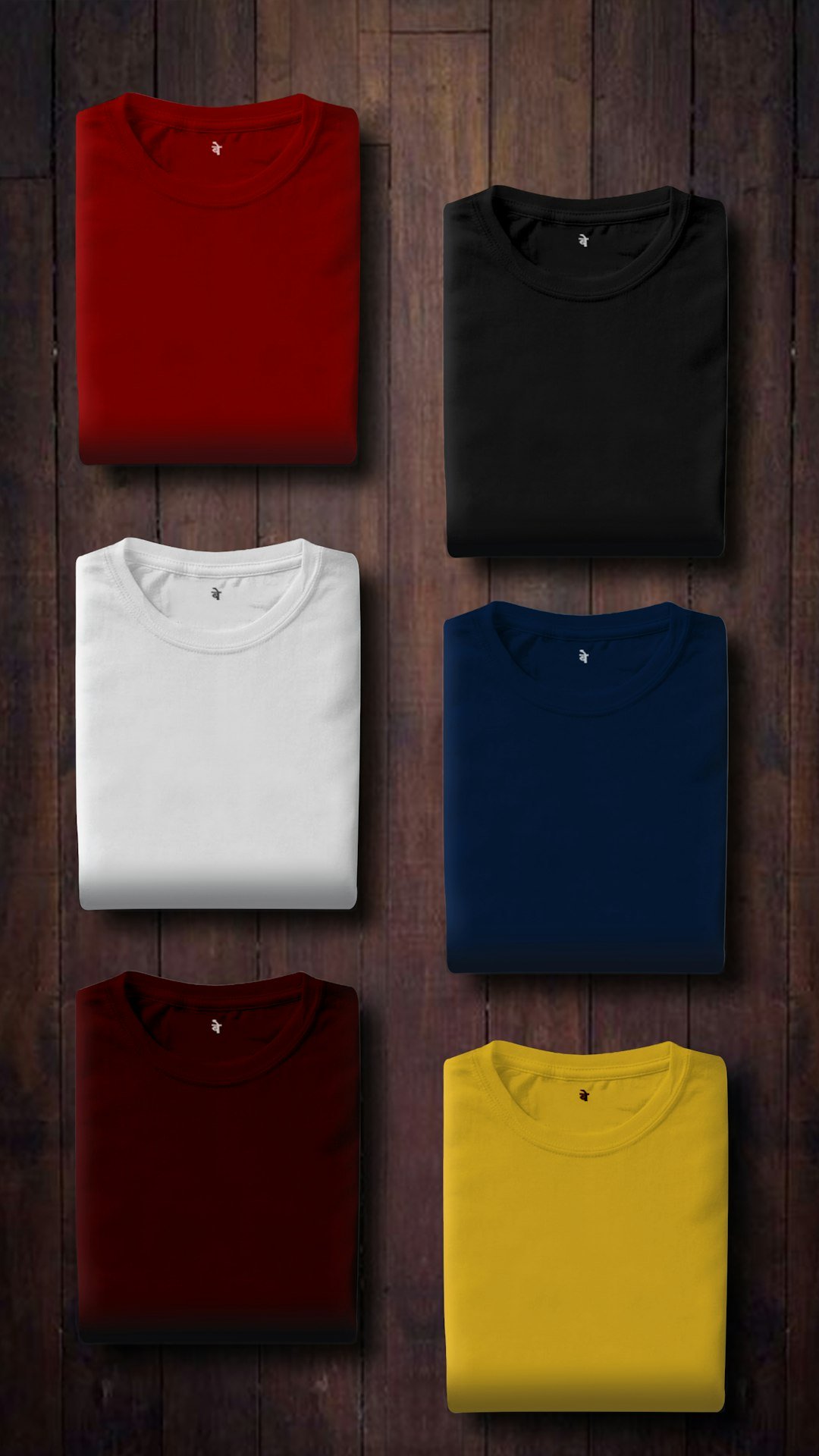
Hotels have staff with different body shapes and fit preferences. Do not assign sizes solely from usual shirt labels or assume that one unisex chart will satisfy every team. Provide the exact finished-garment measurements: chest width, body length, shoulder width and sleeve dimensions as relevant. Explain the measuring method in plain language. A try-on sample set is valuable because employees can assess comfort during movement before management finalises the size list.
Create a size-wise issue register with staff allocation and a modest replacement allowance suited to your employee turnover and the supplier’s reorder conditions. Separate first-issue garments from spare stock. If the hotel has multiple properties, record each location’s size requirement rather than adding everything into a single total. This prevents one branch from receiving a disproportionate share of common sizes.
Keep the approved style, manufacturer reference if available, shade and sample photos with the purchase order. Reorders can fail when a buyer asks for “the same navy polo” but the original construction has changed. For planning guidance, read Namakool’s bulk T-shirt size guide.
Quote hotel polos correctly instead of comparing a single unit price
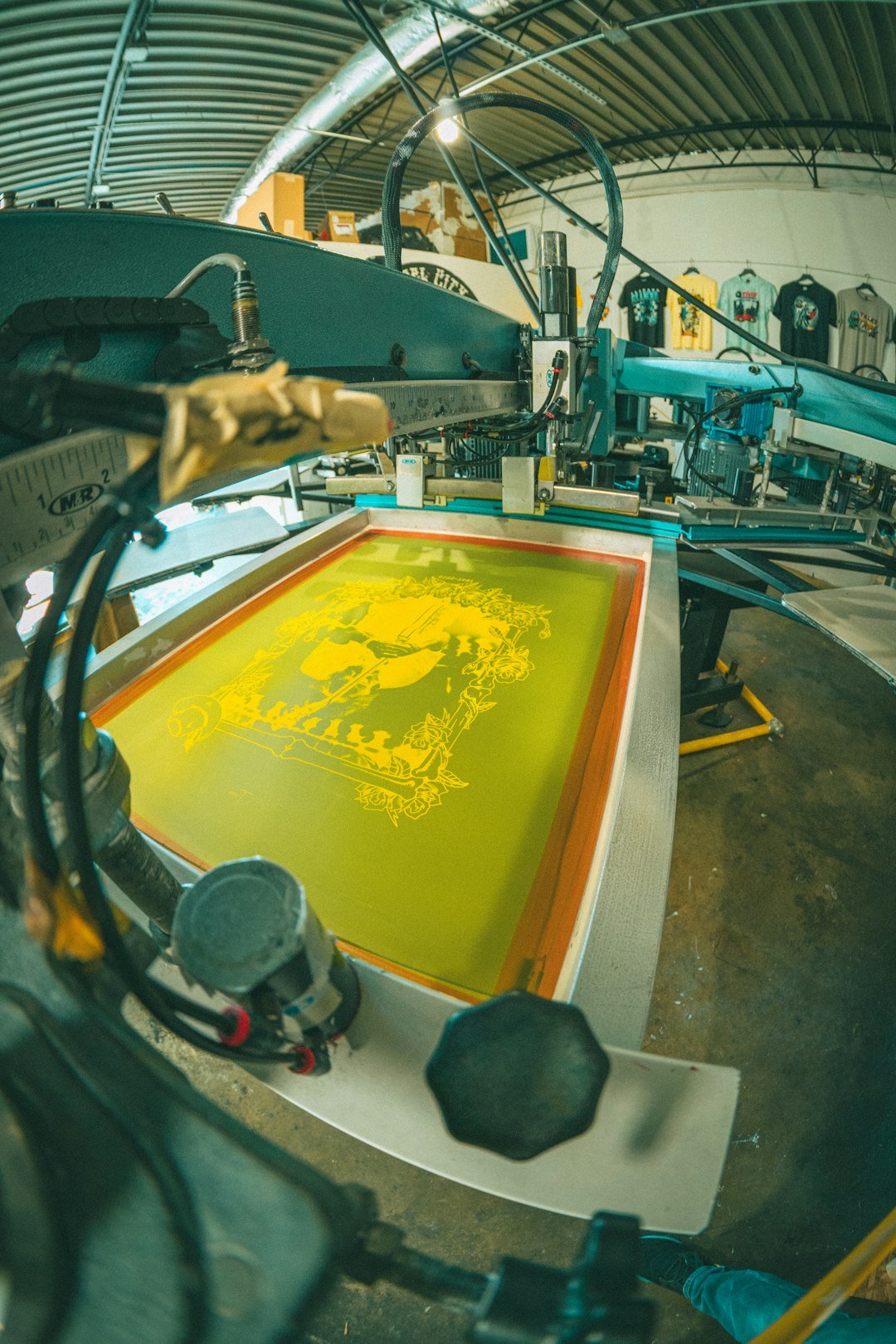
A bulk quote should state garment base price, artwork preparation, printing or embroidery cost, size and colour assumptions, sampling, packing, transport, applicable tax and any extra fees. A lower quoted unit figure may exclude logo decoration or apply only to one size and one colour. Get the same specification priced by each vendor so that comparisons are meaningful. For an initial order, request options rather than insisting on an unspecified “best quality” item.
Ask whether mixed sizes count toward the same quantity tier, and whether other departments using different garments must be priced separately. If the property is a chain, clarify whether each location gets an individual invoice or if one central procurement order can be delivered to multiple addresses. Identify the artwork sign-off point because changes after production starts can create waste and delays.
Evaluate cost per useful wear, not just cost per delivered shirt. A garment with the right fit and care performance is more likely to be worn regularly and less likely to be replaced early. This is a decision method, not a claim that higher-priced products automatically last longer; your sample test and agreed specifications should support the comparison.
Coordinate production, delivery and hotel opening schedules

New properties often need apparel at the same time as staff training, signage and room preparation. Work backwards from the first shift in which the team must wear the uniform. Build in sample approval, final size submission, decoration, quality inspection, shipping and an arrival buffer. Do not make an opening announcement dependent on an unconfirmed estimate. Share the exact delivery PIN code and receiving contact in the enquiry so the supplier can explain realistic options.
For properties already operating, uniform replacement can be staggered by department. A planned batch may be less disruptive than asking for scattered urgent quantities every week. Agree whether back-up stock can be replenished later and if minimum order quantities change for repeat orders. Keep any staff name lists under appropriate access controls; most garments do not require personal details to be shared with the vendor.
When several hotel locations are involved, label cartons by property and department and use a size-wise packing list. Ask how discrepancies are reported and how a faulty item is handled under the written terms. These simple operational steps are as important as choosing a beautiful logo. They also help accounting teams match delivery notes with the purchase order.
Ordering from Chandigarh, Mohali, Zirakpur or another Indian city
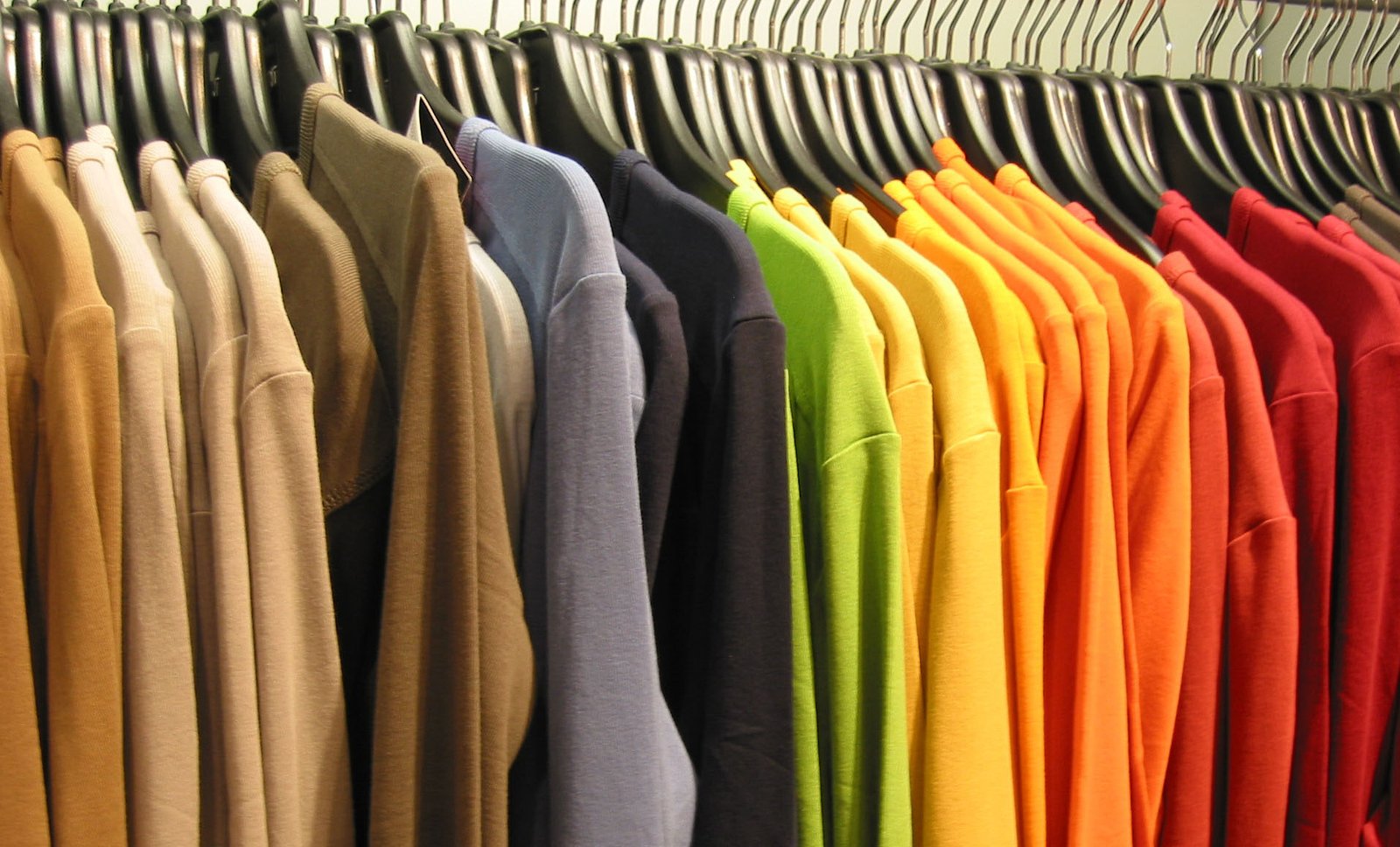
Hotels, resorts and hospitality groups in Chandigarh, Panchkula, Mohali, Zirakpur and Kharar can send a digital specification and ask about fabric and decoration options before a quote is prepared. Buyers in Delhi NCR and other Indian cities can use the same process. A location-specific enquiry should contain the property city, shipment postcode and date; it should not assume a local visit or nationwide dispatch is automatically available for every product.
Start with garments already described in the Namakool bulk polo T-shirt guide. For casual staff, the plain cotton T-shirts page may be useful. Discuss your quantity and branding method directly with the supplier because colour availability, MOQs, sample terms and delivery windows can vary.
A well-prepared enquiry protects both sides. It tells the supplier exactly what can be quoted, and gives the hotel procurement team written criteria for selection. The goal is not to buy the largest number of shirts; it is to issue comfortable, consistent and maintainable uniforms to the right staff at the right time.
Hotel purchasing worksheet: sample allocation and approval steps

Consider a fictional boutique hotel preparing uniforms for 12 reception employees, 18 housekeeping support employees and 10 activity team members. The numbers are only a planning example, not a supplier minimum quantity. Instead of requesting “40 hotel polo shirts”, the property should prepare three lines that reflect the work: a structured reception polo, a comfortable operational shirt and an activity top that suits the approved climate and dress policy. Some styles might share logo colours while using different fabric construction. Ask for separate garment prices and decoration costs so the purchaser can see where each department’s budget goes.
A department-wise purchase table should include role, approved shirt cut, body or finished-garment sizing method, garment colour, fabric composition, decoration and quantity by size. Add a column for who approves the sample. The reception manager may confirm visual presentation, the housekeeping lead may check movement and washing, and the procurement officer may confirm the order value and delivery terms. One designated buyer must combine those decisions into a single final sign-off; multiple independent chat approvals can leave the supplier unsure which version to produce.
If the property expects frequent laundering, prepare a test record before full approval. Photograph and measure the sample while new. Follow its care instructions through several normal wash and drying cycles, then inspect collar shape, button attachment, seam condition, shade and logo treatment. Record observations rather than assigning a vague score such as “best quality”. Where the hotel uses an outside laundry, involve that provider in reviewing the garment’s care limits. Never assume a shirt tolerates an industrial process solely because it is made with cotton or polyester.
A chain with two or more properties should use separate destination lists even when the branding is identical. For instance, label one carton group for Property A, front desk, medium and another for Property B, activity team, large. Identify the delivery contact, phone number used for receiving shipments and postcode. Discuss whether the vendor can pack by property and how costs are affected. Without these labels, the accounting and administration teams might need to unpack the entire order merely to sort sizes and roles.
Replacement strategy should be explicit. Record employee issue dates, damaged units and replenishment demand by size. A reserve quantity may be useful, but it should follow staff turnover and historical issue patterns, not an arbitrary fraction added to the quote. For a repeat purchase, retain the sample code, logo file and fabric shade. Ask whether the original garment and decoration are still available and whether a smaller reorder changes the price. This documentation makes it possible for a new procurement manager to match the existing uniform without guesswork.
In the final quotation review, compare the base garment price, decoration, samples, individual packing, tax and freight. Confirm payment milestones, cut-off date for artwork changes and the procedure for discrepancies. A written schedule should cover sample approval, production, inspection and arrival before staff orientation or an opening date. Hotel apparel is a recurring operating expense and a small part of guest-facing presentation; its success depends on consistent specifications and distribution, not only the first impression of a single product photograph.
Frequently asked questions about hotel staff polo T-shirts in bulk

Should housekeeping and reception wear the same polo?
Not necessarily. Select garments based on daily movement, laundering, climate and guest-facing presentation, while keeping colours and logos coordinated.
Can hotel uniforms have embroidered logos?
Embroidery is an option for many polo fabrics, subject to sample approval, minimum quantities and the selected design.
Which material is best for hotel staff T-shirts?
There is no universal best material. Compare cotton, polyester and blends against the role, staff comfort and the property’s washing routine.
How should a hotel collect staff sizes?
Use the specific finished-garment measurement chart and try-on samples. Keep a size-wise issue register.
Can several hotel branches share one bulk order?
Ask for a quotation with separate location totals, carton labels, delivery addresses and shipment charges.
What details does Namakool need?
Send department counts, shirt style, colour, logo artwork, size matrix, delivery PIN codes and target date.
Request a hotel staff polo T-shirt quotation from Namakool

For a hotel or resort procurement quotation, provide your property name, each department’s garment type, expected quantities, size chart preference, branding artwork, delivery locations and date. Ask Namakool to confirm fabric composition, sampling, washing guidance and complete pricing before authorising production.
Submit your artwork and size-wise quantity through the Namakool contact page or WhatsApp +91 72900 08585. See bulk custom T-shirt printing and polo T-shirt manufacturing enquiries for related options. Availability, MOQs, turnaround and tax are subject to a written quotation, not guaranteed by this guide.